

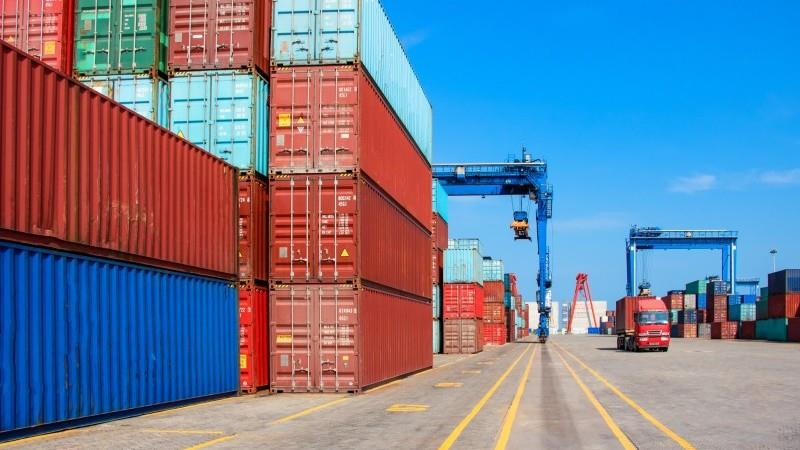
Dutch Transport And Logistics Proves Resilient Amid Rising Costs, Global Disruption


The Dutch transport and logistics sector is expected to grow by around 1% in 2026 as globally active aviation and maritime shipping performed better than expected. International markets, though, will provide less support next year. Nevertheless, global trade remains resilient, while shipping companies continue to benefit from longer trade routes.
Domestic demand is holding up relatively well despite global uncertainty and above-average inflation. This is increasingly visible in road transport, where market conditions are improving, and capacity pressures are gradually re-emerging. Consumer spending growth remains an important driver.
Parcel delivery has moved beyond its strongest growth phase. Following years of rapid expansion, volumes are expected to stabilise. The ongoing decline in postal volumes will push the overall segment into contraction.
Logistics service providers are benefiting from a more volatile trading environment. Supply chain uncertainty has increased the strategic value of logistics expertise, creating opportunities in warehousing, inventory management and supply chain management.
Passenger transport, meanwhile, is expected to perform especially well. Public transport usage has recovered faster than anticipated, supported by a strong spring season and the introduction of summer travel subscription efforts. Part of this increase is likely to prove structural.
Mixed outlook for transport and logistics, with slightly stronger growth in 2027Expected volume growth of transport and logistics subsectors, % year-on-year
Source: CBS, ING Research"> Slightly stronger growth expected in 2027
Sector growth is expected to accelerate modestly to around 1.5% in 2027, supported by a recovery in construction and gradual improvement in the German economy.
Dutch trade is expected to strengthen, although the economy will continue shifting towards services. Meanwhile, investments in the energy transition and AI infrastructure are generating additional freight demand. Globally active shipping companies and Dutch ports can benefit from these developments.
Growth development and forecast transport and logistics sectors Source: CBS, ING Research *Post transport declines structurally"> Economic growth generating different transport demandIndustry, construction and trade remain the traditional core customers for freight transport and account for roughly three-quarters of transport and logistics activity.
However, the Dutch economy is becoming increasingly service-oriented. The fastest-growing sectors, particularly business services and healthcare, generate less freight demand than traditional industrial sectors. The nature of industry itself is changing as growth shifts toward machinery manufacturing and high-tech production, including companies such as ASML.
Transport and logistics companies still slightly negative about business climateAssessment by transport and logistics companies of the expected economic climate*
Source: CBS"> Mixed business sentiment
Business sentiment remains cautious. Conditions vary considerably between market segments, while uncertainty, rising costs and substantial investment requirements weigh on confidence.
Global supply chains are being affected by geopolitical tensions, protectionism and more frequent extreme weather events. These disruptions create operational challenges but also opportunities for logistics providers and support freight rates in maritime shipping.
Moreover, businesses have become increasingly accustomed to operating in a volatile environment, making them more resilient than in previous periods of disruption.
Bankruptcy rates are rising in road transport, but remain relatively low overallShare of bankruptcies, first half of each year
Source: CBS, ING Research"> Rising costs are testing financial resilienceCost inflation remains the dominant theme across the sector. Fuel prices, wages and new charges such as the truck toll have increased sharply, while higher interest rates are adding to financing costs.
Passing these costs on to customers remains crucial. Business surveys indicate growing financial pressure, which is likely to affect profitability across parts of the sector.
Bankruptcies increased during the first half of 2026, particularly in road transport, and may rise further during the second half of the year. Even so, levels are moderate by historical standards.
At the same time, merger and acquisition activity continues to increase. Smaller firms without succession plans and companies facing major investments in electrification, digitalisation and compliance are increasingly opting to sell.
Passenger Transport
Public transport volume with summer push (temporarily) back above covid levelNumber of public transport check-ins per month in The Netherlands (2019=100)
Source: Translink, ING Research"> Public transport recovery exceeds expectations
Supported by the government's summer travel subscription initiative, public transport usage temporarily exceeded pre-pandemic levels for the first time. On a per-capita basis, however, passenger volumes have not yet fully recovered because the Dutch population has expanded by 4.5% since 2019.
Passenger numbers may ease somewhat after summer, but the recovery is progressing faster than previously anticipated. Rail punctuality has improved, although infrastructure projects and a cumulative 13% rise in ticket prices since early 2025 continue to create headwinds.
Travel patterns are permanently different from before the pandemic, with demand spread more evenly across the week. Regional public transport continues to lag due to budget reductions, route cancellations and reduced frequencies.
Schiphol is likely to have limited room for growth in 2027Number of flights Schiphol to type, per year
Source: Schiphol *Forecast ING Research"> Aviation: Capacity constraints and rising costsSchiphol recorded approximately 4% fewer flights through July than a year earlier. Poor weather, temporary weakness in demand during the Middle East conflict and flight cancellations linked to higher jet fuel costs contributed to the decline.
Demand recovered quickly despite higher ticket prices, suggesting that underlying conditions remain robust. Schiphol already operates close to its practical capacity limit of roughly 478,000 flights annually, meaning future growth will depend primarily on larger aircraft and higher load factors.
Government plans call for the opening of Lelystad Airport for commercial aviation by the end of 2027, which could shift around 10,000 European flights away from Schiphol. Given repeated delays, however, implementation remains uncertain.
Meanwhile, more Dutch passengers are increasingly using airports in Belgium and Germany.
Ticket prices continue to riseAirfares have increased substantially over recent years and were around 7.5% higher during summer 2026 than a year earlier. Elevated jet fuel costs are the main driver.
European dependence on imported jet fuel and high refining margins suggest fuel costs will remain elevated. Airlines therefore still face pressure to raise fares.
Additional upward pressure comes from stricter sustainability policies, including the full phase-out of free emissions allowances for intra-European flights, increasing sustainable aviation fuel requirements and the planned distance-based aviation tax from 2027 (up to almost €60 from a flat €30).
Freight Transport
Logistics providers benefit from volatilityLogistics service providers continue to outperform much of the broader transport sector. The outsourcing of supply chain activities, combined with growing uncertainty in global trade, has strengthened their strategic role.
Demand for reliability, speed and supply chain resilience is still growing, particularly for high-value products. Combined with relatively high air and ocean freight rates, these trends should support another solid year for many logistics providers.
Port throughput and container volumes under pressure, while air freight benefits as a fast optionDevelopment in cargo throughput at major seaports and at Schiphol in the first half of 2026 (by tonnage, year-on-year)
Source: Port authorities"> Global trade continues to grow
The anticipated slowdown in global goods trade has not materialised. Growth remained near 5% during the first half of 2026, supported largely by continued export expansion from China.
Although much of this trade bypasses European ports, globally active Dutch shipping companies continue to benefit. Disruptions in the Red Sea, Black Sea, Strait of Hormuz and Panama Canal are maintaining longer sailing distances, supporting demand for shipping services.
Strong growth of empty container volumes in the Port of RotterdamGrowth throughput of loaded and empty containers y.o.y.
Source: Port of Rotterdam, ING Research *1st half"> Empty container movements continue to surgeContainer throughput in Rotterdam was broadly stable in the first half of 2026, but empty-container volumes rose significantly. Similar trends are visible in Antwerp-Bruges.
This reflects widening trade imbalances between Europe and Asia, particularly China's growing export surplus. Increasing empty-container movements create congestion and operational inefficiencies, while supply chain disruptions push global port congestion to elevated levels.
At Rotterdam, terminal capacity constraints remain a bottleneck. Planned expansions on Maasvlakte 2 should provide some relief from 2027 onwards.
Inland shipping benefits from low water levelsExceptionally low water levels have once again restricted inland shipping capacity. Loading limitations and tight vessel availability have pushed freight rates higher and are likely to result in a financially strong year for inland operators.
Structurally, however, recurring disruptions are problematic because they may encourage shippers to shift freight to road transport, undermining long-term modal shift ambitions.
Coal volumes continue their long-term decline, particularly in rail freight. Most of the contraction in rail transport over the past decade can be linked to lower coal demand, while intermodal transport expands.
The ability to switch flexibly between transport modes is becoming increasingly important. Ongoing infrastructure works in both the Netherlands and Germany nevertheless remain a constraint for rail freight.
Air freight has extensive connections, with a large share of traffic linked to Asia (China) and the United StatesShare of Schiphol air freight volumes by region (inbound and outbound), measured in tonnes, 2026*
Source: Schiphol, ING Research *Up and including July"> Air cargo thrives amid uncertainty
Air freight remains an attractive option where speed and reliability are critical. Trade uncertainty and supply chain disruptions are supporting demand.
The Asia region has become increasingly important for Dutch air cargo imports, reflecting China's growing role in global trade. While lower Chinese parcel volumes have somewhat reduced growth, demand remains supported by the need for flexibility and resilience.
Parcel delivery has passed peak growth rate, while inflows from Asia slowing amid import tariffsGrowth in number of shipped parcels in The Netherlands y.o.y.
Source: ACM, ING Research"> Parcel market matures, while EU import levy kicks inAfter years of rapid expansion, parcel logistics is entering a more mature phase. Growth is slowing as e-commerce penetration increases, and consumers make greater use of parcel lockers, collection points and store-based fulfilment.
International parcels have been a major growth driver, particularly shipments linked to Chinese online platforms. However, the introduction of the €3 European parcel levy has clearly affected demand, contributing to a marked decline in Chinese parcel volumes during summer 2026.
Part of this traffic is shifting towards consolidated shipments and maritime transport, followed by European fulfilment-centre distribution.
Particularly smaller payments to Chinese webshop faced a setback after the small parcel fee (01/07)Index (2023 = 100)
Source: ING Transactiondata, ING Research"> Labour shortages re-emerge
Labour availability remains one of the sector's biggest challenges. Although vacancy rates have eased somewhat, shortages are well above pre-pandemic levels.
Drivers, conductors and warehouse workers are scarce, while shortages of maintenance technicians and IT specialists are becoming increasingly important. Ageing demographics, limited inflows of new workers and elevated sickness absence are constraining labour supply.
Vacancy rate in transport and logistics rising again - and higher than in pastTransport and Logistics Sector Vacancy Rate (Vacancies per 1,000 Jobs), by Quarter (Netherlands)
Source: CBS, ING Research"> Domestic transport emissions continue to fallTransport-sector greenhouse gas emissions have fallen significantly since 2019, supported by higher biofuel blending rates, more efficient vehicles and increasing electrification.
However, further reductions are needed to achieve Dutch climate targets for 2030. The sector is not yet fully on track according to the Climate and Energy Outlook.
Looking ahead, the truck charging scheme and rapid growth in electric truck usage should accelerate emissions reductions within freight transport. Together with continued electrification of passenger transport, this will help move the sector closer to its climate objectives.
Demand is recovering, but financial pressure is also increasingBarriers in transport and logistics, % of companies experiencing each constraint
Source: CBS, ING Research">
Legal Disclaimer:
MENAFN provides the
information “as is” without warranty of any kind. We do not accept any
responsibility or liability for the accuracy, content, images, videos,
licenses, completeness, legality, or reliability of the information
contained in this article. If you have any complaints or copyright issues
related to this article, kindly contact the provider above.
Comments
No comment