

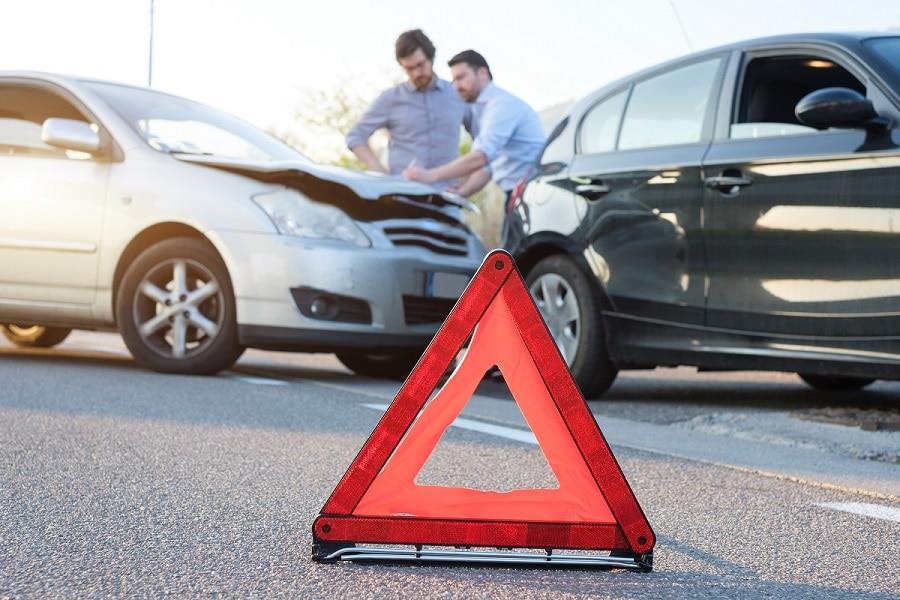
How Fault Is Determined In A Car Accident


Knowing who caused the accident is important for claims related to car accident damages. It determines who is responsible to cover medical expenses, lost wages, and property damages.
Insurance companies, police, and courts would refer to a police report, eyewitness accounts, and traffic regulations when handling a car accident case. Relevant evidence can also include damage to the vehicles involved and videos of the accident.
“What are the top ten causes of car accidents?” Several online resources about car accidents often answer this question. This information helps people get an idea of the factors that might have led to a crash. Examples of factors that lead to a car accident include intoxication, speeding, recklessness, fatigue, adverse weather, and red-light violations.
Let's discuss how the fault determination process works, along with the evidence required to establish it and other associated complications.
Fault Rests on NegligenceNegligence is used in most car accident-related claims. It means the driver owed a duty of care to drive cautiously, breached that duty, and suffered harm as a result of the breach.
Proving fault requires making a persuasive connection between the pieces of evidence, rather than guessing who seems more responsible after the event.
The Evidence That Actually Establishes FaultThe police report, pictures of the scene, damage to the vehicles, eyewitness accounts, traffic camera footage, and accident reconstruction reports can be used to determine what occurred.
The insurance company and the court system usually treat physical evidence and eyewitness accounts as more reliable than the driver's own version of events. The logic behind this treatment is that the drivers themselves have something to gain from how they presented things.
Common Driver Behaviors That Lead to a Fault FindingSome forms of driving activity recur often in crash analysis. Typical instances where drivers are at fault include cases of distracted driving, speeding, intoxicated driving, and reckless driving. Knowingly driving when poor weather conditions are present and disobeying traffic control devices can expose drivers to liability.
Improper vehicle maintenance, driving at night, making improper turns, and following other vehicles too closely can also constitute negligence. To establish negligence based on any of these factors, the evidence must show a connection to the accident.
Why the Rules for Dividing Fault Vary by StateNot every state handles partial faults the same way. Some use pure comparative negligence whereby the injured driver can recover damages regardless of their fault percentage. Damages will just be reduced depending on the amount of fault.
Clients in New Mexico will often ask an Albuquerque car accident lawyer to explain this distinction. The state of New Mexico allows a driver who is at fault up to 99 percent in a car accident to still recover damages since they follow a pure comparative negligence system.
Other states cut off recovery entirely once a driver crosses a certain fault threshold, commonly 50 or 51 percent, which makes the specific rule in a given state genuinely consequential to how a claim plays out.
Why Insurance Companies Have Their Own Incentive HereThe first assessment made by the insurance company regarding who was at fault is obviously not an impartial one. The adjuster has a vested interest in making it seem like the other driver was at fault since assigning just one extra percentage of blame to the other party means the insurance company will pay less money for the claim.
What to Do to Protect Your PositionRemembering the details of what happened, taking pictures of the accident scene, getting a medical checkup, and not thinking about liability when talking to insurance companies are the steps advised to people who experienced a car accident.
When someone contests the issue of liability, the documentation they completed earlier is likely to be the most important.
Fault is Rarely as Obvious as it SeemsEven a basic accident can develop into a dispute when insurance companies get involved and both sides analyze their versions. Understanding the actual grounds for fault and how state-governed liability applies and is important to helping the driver in question far more than guesswork.

Legal Disclaimer:
MENAFN provides the
information “as is” without warranty of any kind. We do not accept any
responsibility or liability for the accuracy, content, images, videos,
licenses, completeness, legality, or reliability of the information
contained in this article. If you have any complaints or copyright issues
related to this article, kindly contact the provider above.
Comments
No comment