

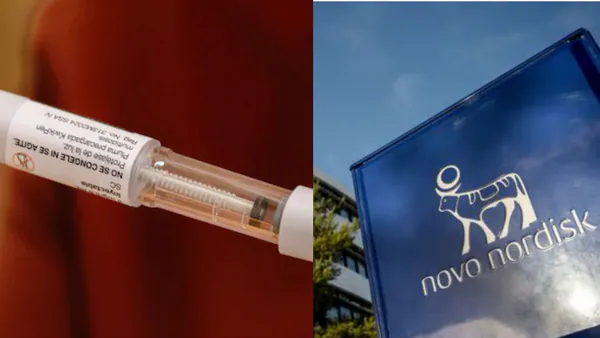
Are GLP-1S Causing Blindness? Novo Nordisk, Eli Lilly Face Lawsuits In US


The condition, known as nonarteritic anterior ischemic optic neuropathy (NAION), affects the optic nerve and can cause sudden, painless loss of vision. Researchers have been examining a possible connection between GLP-1 medicines and NAION, but so far no study has established that the drugs cause the condition, ABC reported.
Also Read | When weight loss isn't the goal of taking a GLP-1A potential safety signal was first reported in 2024 following observations at a single health centre in Boston. Since then, researchers and regulators have continued to assess whether there is a link between the medicines and the eye condition.
Drugmakers reject lawsuit claimsNovo Nordisk, which makes Ozempic and Wegovy, said it takes“all reports of adverse events very seriously” but disputed the allegations made in the lawsuits.
“Novo believes the personal injury lawsuits filed in the U.S. are without merit and are vigorously defending them,” a company spokesperson told ABC News.
The company added, "Novo is committed to patient safety and continuously monitors the safety profile of our GLP-1 RA products. Should emerging safety data warrant further action, appropriate measures will be implemented in accordance with regulatory requirements.”
Eli Lilly, the manufacturer of Mounjaro and Zepbound, also said it continuously monitors the safety of its medicines.
“Patient safety is Lilly's top priority. We actively monitor, evaluate, and report safety information for all our medicines to the FDA. As part of our routine safety review process, we have ongoing discussions with regulators regarding potential safety topics, and we will continue to review data, including any data regarding ophthalmic issues," a company spokesperson told ABC News.
FDA review of possible GLP-1 link continuesVision-related problems are already included among the possible side effects of the medicines. However, the US Food and Drug Administration (FDA) does not currently require manufacturers to specifically mention NAION as a risk on their labels.
The FDA's Sentinel Initiative is conducting a review to assess the possible safety signal involving GLP-1 drugs and NAION. The review is still under way.
Also Read | When weight loss isn't the goal of taking a GLP-1"The FDA routinely monitors the safety of drug products postmarketing. The FDA identifies safety signals from a variety of sources, evaluates the available data and takes regulatory actions when appropriate,” an FDA spokesperson said in a statement provided to ABC News.
Europe, Australia add NAION warningRegulators in some other countries have taken a different approach based on their assessment of the available evidence.
The European Medicines Agency and Australia's Therapeutic Goods Administration have both required drugmakers to include warnings about a potentially increased risk of NAION with certain GLP-1 medicines.
Both regulators have described NAION as a rare possible side effect.

Legal Disclaimer:
MENAFN provides the
information “as is” without warranty of any kind. We do not accept any
responsibility or liability for the accuracy, content, images, videos,
licenses, completeness, legality, or reliability of the information
contained in this article. If you have any complaints or copyright issues
related to this article, kindly contact the provider above.
Comments
No comment