

Azerbaijani Speaker Highlights AI's Role In Education At IPU Briefing (PHOTO)


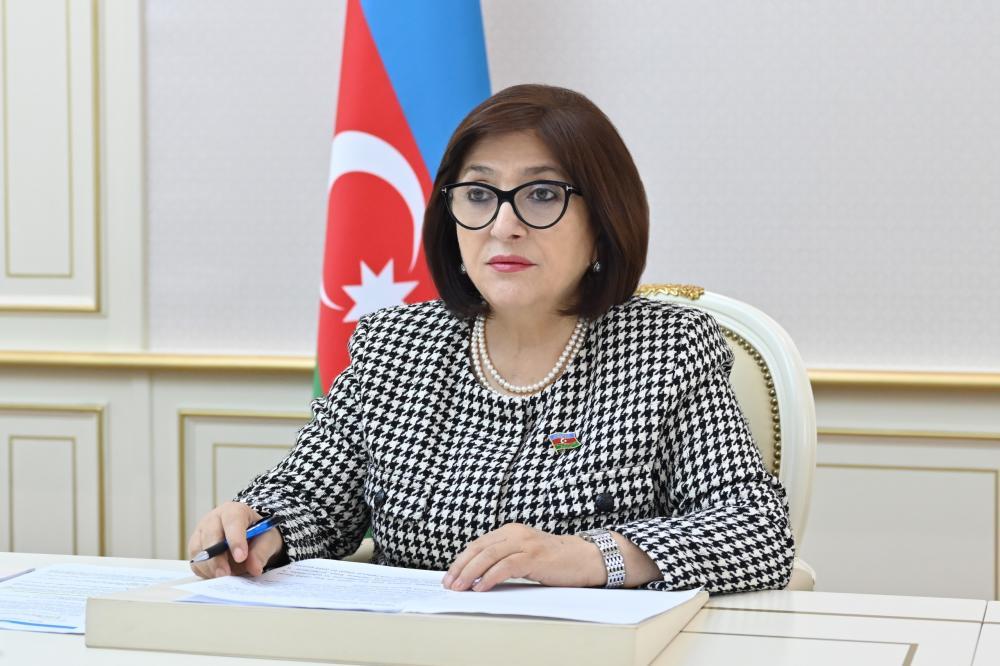
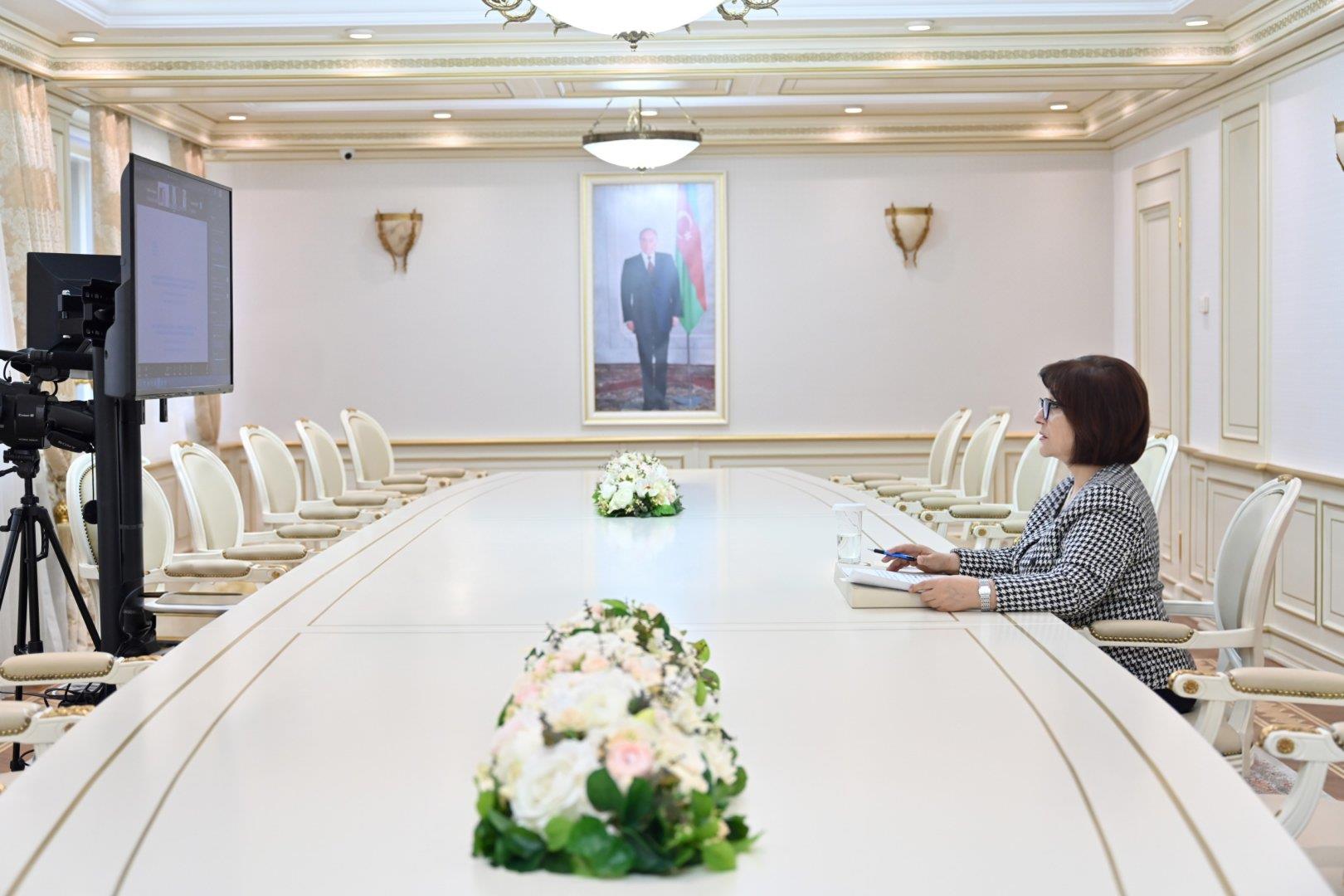
This was reported by the Press and Public Relations Department of the Milli Majlis (Azerbaijani Parliament).
According to the information, the meeting was dedicated to the topic "Artificial Intelligence – the Opportunities and Risks in Providing Children's Right to Inclusive and Quality Education" on September 21.
The speaker noted that the issue of artificial intelligence and education is not merely about technology; it also concerns children's futures and the quality of education provided to them.
According to her, while technology can enhance education, it cannot replace teachers or human interaction.
She also noted that AI can tailor the learning process to each child's needs, expand educational opportunities for children with disabilities, and help deliver quality educational resources to remote communities. AI can also assist teachers in identifying gaps in students' learning.
The speaker emphasized that the opportunities created by AI aren't automatically accessible to everyone. The fact that access depends on family income and place of residence could further deepen inequalities. Therefore, she stressed the importance of considering risks associated with privacy, algorithmic bias, harmful content, and the ambiguity of human accountability in this field.
Gafarova said that children's rights must be the guiding principle for the use of artificial intelligence in education. She noted that AI should assist teachers rather than replace their professional judgment, and it shouldn't reduce children to mere collections of data.
She highlighted the important role parliaments play in this area.
The speaker remarked that the AI initiative could assist parliaments in exchanging legislative experiences, developing practical recommendations, strengthening oversight, and fostering dialogue among educators, technology companies, international organizations, civil society, and children.
In conclusion, Gafarova said that AI is already entering classrooms; the key issue is not whether to use this technology, but rather how to implement it fairly and in the best interests of children.
The primary goal is to utilize artificial intelligence to make education more inclusive, accessible, and of higher quality, while simultaneously preserving the human-centric nature of education. She pointed out that no child should be left behind due to their geographical location, family income, disability, or limited digital access.



Legal Disclaimer:
MENAFN provides the
information “as is” without warranty of any kind. We do not accept any
responsibility or liability for the accuracy, content, images, videos,
licenses, completeness, legality, or reliability of the information
contained in this article. If you have any complaints or copyright issues
related to this article, kindly contact the provider above.
Comments
No comment