

Qatar's Decision To Host FIFA World Cup Driven By Long-Term Vision: Al-Thawadi


Doha, Qatar: Qatar's decision to host the FIFA World Cup Qatar 2022 was driven by a long-term vision that extended well beyond the month-long tournament, with more than 12 years of preparation laying the foundation for lasting development and growth, Managing Director of the Supreme Committee for Delivery and Legacy H E Hassan Al Thawadi has said.
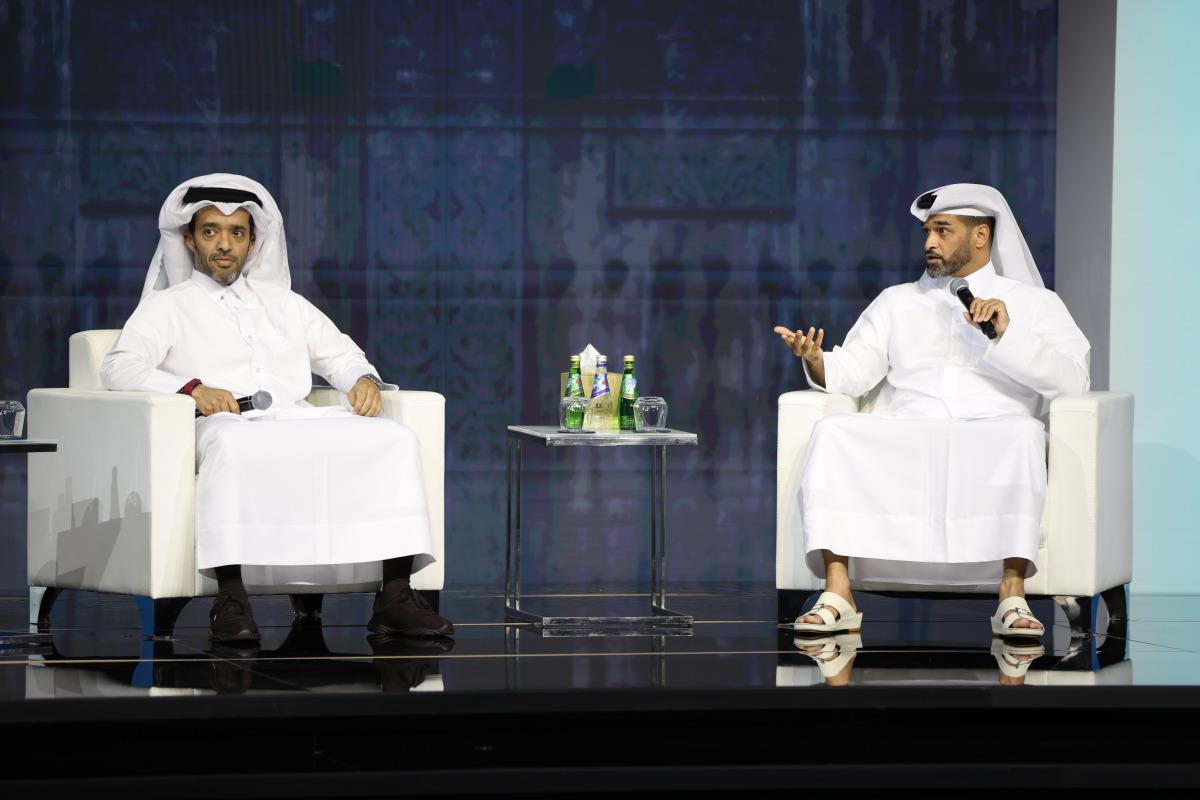
Speaking during a panel discussion at the unveiling of the Qatar Calendar 2026-2027 yesterday, Al Thawadi highlighted the extensive efforts undertaken across Qatar to ensure the successful delivery of the global sporting event, while stressing the importance of sustaining and capitalising on the infrastructure and opportunities created by the World Cup.
He said the tournament left Qatar with world-class infrastructure and contributed to significant growth in the hospitality, hotel and resort sectors, while also raising tourism awareness among the local community.
“Undoubtedly, our wise leadership's vision in hosting a major tournament like the FIFA World Cup was not merely about hosting an event that lasts for a single month,” he said, pointing to the immense effort and dedication invested over 12 years.
According to Al Thawadi, the period leading up to the tournament witnessed extensive development across the country, followed by a focus on continuity and making the most of the legacy created by the event.
He noted that people who visited Qatar during the World Cup developed a desire to return, contributing to a significant increase in visitor numbers. He said the number of visitors recorded in 2023 was double that of 2020, describing the increase as one of the key outcomes of hosting the World Cup.
The tournament also contributed to changing perceptions of the region internationally, he said, describing Qatar 2022 as a truly Arab tournament that demonstrated the region's ability to successfully organise major global events.
“We witnessed development across the region; it was a truly Arab tournament that demonstrated to the world our ability to organize such major events,” Al Thawadi said.
He stressed that the achievements associated with the World Cup had created a strong foundation for continued growth in the tourism and related sectors. The post-World Cup phase, he said, has focused on activating and capitalising on the assets and developments created through years of preparation.
These include Qatar's hospitality infrastructure, aviation sector and transportation networks, which are now established assets available to support the country's continued development.
“We are keen to make optimal use of these existing strengths, and, God willing, this progress will continue,” he said. Al Thawadi also drew attention to the importance of the tournament's“human legacy”, underlining that the impact of the World Cup extends beyond physical infrastructure and facilities.
The legacy of Qatar 2022, therefore, continues to provide a platform for the country's tourism, hospitality, sports and events sectors, while supporting efforts to build on the international exposure generated by the tournament.

Legal Disclaimer:
MENAFN provides the
information “as is” without warranty of any kind. We do not accept any
responsibility or liability for the accuracy, content, images, videos,
licenses, completeness, legality, or reliability of the information
contained in this article. If you have any complaints or copyright issues
related to this article, kindly contact the provider above.
Comments
No comment