

South Carolina SNAP Rules Will Block Candy And Sugary Drinks Starting Nov. 1-USDA Seeks Public Comment


The U.S. Department of Agriculture approved South Carolina's request to operate the food-restriction demonstration in December 2025, and the federal waiver was subsequently modified in August 2026. While the federal approval documents originally identified August 31, 2026, as the effective date, the South Carolina Department of Social Services' current Healthy Food SC information says the updated SNAP-eligible food rules will begin November 1, 2026.
Meanwhile, USDA's Food and Nutrition Administration is accepting public comments about the state's demonstration project through October 15.
For shoppers, the biggest question is straightforward: What will you still be able to put in your grocery cart with SNAP?
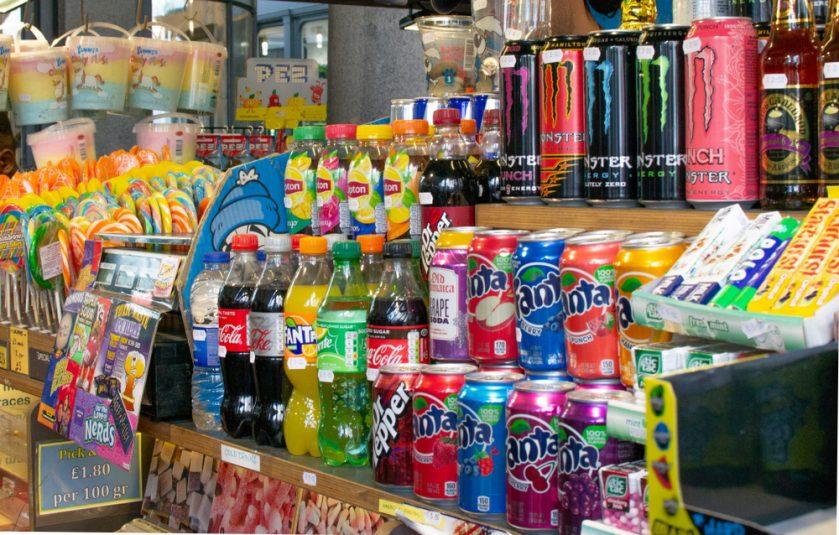
What South Carolina SNAP Will No Longer CoverUnder the USDA-approved South Carolina SNAP food restriction waiver, the state is removing four categories from foods eligible for purchase with SNAP benefits:
-
Candy
Energy drinks
Certain soft drinks
Sweetened beverages
The definitions are more specific than those category names might suggest.
For example, South Carolina defines candy as products containing sugar, honey, or other sweeteners combined with ingredients such as chocolate, fruit, or nuts and sold in forms such as bars, drops, or pieces.
However, the state's rules specifically exclude several foods from that definition, including protein bars, granola bars, chocolate chips, sprinkles, crackers, cookies, cakes, muffins, brownies, pastries, and bread products.
That means shoppers shouldn't assume every sweet food at the grocery store will suddenly become SNAP-ineligible.
Diet Soda and Some Other Drinks Will Still QualifyThe beverage rules also contain important exceptions.
According to the South Carolina Department of Social Services' Healthy Food SC retailer guidance, diet and zero-sugar soft drinks will remain eligible for purchase with SNAP benefits.
The state's rules also exclude several beverages from its restricted soft-drink and sweetened-beverage categories, including qualifying milk and milk-substitute drinks, infant formula, sports or rehydration beverages, and certain fruit or vegetable juices.
Energy drinks are defined more narrowly as beverages containing at least 65 milligrams of caffeine per eight fluid ounces and marketed to provide metabolic stimulation or increased mental or physical energy. Coffee, tea, and beverages substantially based on coffee or tea are excluded from that definition.
Those distinctions matter because two beverages sitting next to each other in a grocery-store cooler may not receive the same SNAP eligibility treatment.
Grocery Stores Have to Update Their Checkout SystemsThe change doesn't fall only on SNAP households.
South Carolina SNAP-authorized retailers are expected to make sure their electronic benefit transfer systems identify products that can no longer be purchased with SNAP. The state's retailer guidance says stores should work with payment processors to update EBT settings, train employees, and prepare customers for the new rules.
A separate South Carolina retailer attestation form also states that retailers are responsible for costs associated with point-of-sale modifications or upgrades needed to comply with the waiver.
For shoppers, those system changes should mean an ineligible item is identified during checkout rather than requiring customers to memorize every technical definition in the state's policy.
Still, SNAP recipients may want to familiarize themselves with the major restricted categories before the November 1 change to avoid surprises at the register.
USDA Is Taking Comments Through October 15USDA's Food and Nutrition Administration is also inviting the public to comment on South Carolina's demonstration project.
The agency has said it intends to evaluate how the new restrictions affect both SNAP participants and retailers. USDA's approval calls for South Carolina to provide evaluation data, while federal officials plan to review the results and other available information as the demonstration proceeds.
Comments are due October 15, 2026, and can be submitted through the federal Regulations system.
This comment process should not be confused with an initial vote on whether South Carolina will receive permission to restrict the products. USDA already approved the state's waiver in December 2025 and approved a modification to the soft-drink definition on August 3, 2026.
Instead, the comment opportunity gives SNAP participants, retailers, advocates, industry groups, and other members of the public a chance to provide feedback as the demonstration moves forward.
What South Carolina SNAP Shoppers Should Do NowThe most important date for shoppers is currently November 1, 2026.
Before then, SNAP recipients may want to review the state's Healthy Food SC guidance, particularly if candy, soda, energy drinks, sweetened tea, lemonade, or similar beverages are regularly included in their grocery purchases.
Don't assume a product is prohibited based solely on how it looks or where it's located in the store. The definitions contain exceptions, and eligibility can depend on the specific type of product.
Shoppers who encounter questions at checkout can consult the South Carolina Department of Social Services for current Healthy Food SC information, while USDA maintains its own page containing the state's original waiver, approval, and modification documents.
The demonstration also bears watching after implementation. USDA says it plans to evaluate the effects on SNAP households and retailers, meaning South Carolina's experience could provide additional information about how food-purchase restrictions work in practice.

Legal Disclaimer:
MENAFN provides the
information “as is” without warranty of any kind. We do not accept any
responsibility or liability for the accuracy, content, images, videos,
licenses, completeness, legality, or reliability of the information
contained in this article. If you have any complaints or copyright issues
related to this article, kindly contact the provider above.
Comments
No comment