

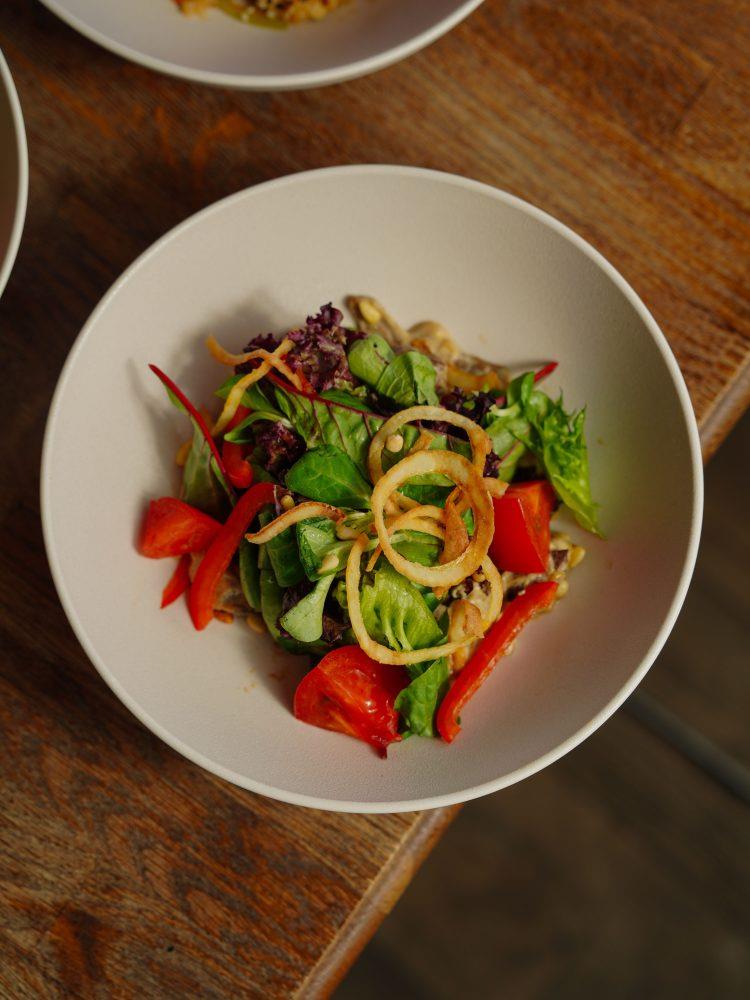
A $6 Bag Of Salad Vs. Buying The Ingredients Separately: Which Is Actually Cheaper?


Walking down the produce aisle after a long workday, the refrigerated wall of pre-packaged salad kits presents an irresistible siren song. For around six dollars, a shopper can grab a sealed bag containing pre-washed greens, shredded cabbage, crunchy toppings, and a packet of artisanal dressing. It promises an instant, zero-effort side dish or light lunch without the messy chopping and washing required by raw produce.
Yet, when grocery budgets face tighter constraints, looking closely at that six-dollar price tag reveals a fundamental financial question. Does the ultimate convenience of bagged salad kits drain your wallet over time, or does buying raw ingredients separately actually save money once you factor in food waste?
The Allure and Convenience Markup of Pre-Washed KitsTo understand why bagged salads command such a steep price per ounce, you have to examine the extensive labor and processing infrastructure required to get them onto supermarket shelves. Raw heads of lettuce must be harvested, transported to a processing facility, mechanically chopped, washed in sanitized water baths, dried in massive commercial centrifuges, weighed, mixed with custom toppings, and sealed in modified-atmosphere packaging designed to slow wilting.
That complex supply chain and labor overhead is baked directly into the retail price. When you purchase a six-dollar salad kit, you are not merely paying for five ounces of romaine lettuce and a handful of dried cranberries; you are paying for industrial sanitization, custom packaging, and absolute convenience. Per pound, pre-packaged salad greens frequently cost anywhere from two to four times more than whole heads of lettuce or loose produce items found just a few feet away in the same department.
The Hidden Cost of Buying Separately: Produce WasteOn paper, purchasing a head of romaine lettuce, a bunch of carrots, a cucumber, and a bottle of dressing separately appears to offer vastly superior value. A whole head of lettuce often costs less than two dollars, providing far more raw volume than a single bagged kit. From a purely mathematical standpoint, assembling your own salads at home destroys the price-per-ounce metrics of pre-packaged alternatives.
However, real-world household behavior rarely matches pristine math on a spreadsheet. Whole produce items lack the protective, modified-atmosphere packaging of commercial kits, leaving them far more vulnerable to rapid spoilage in a home refrigerator. If a busy household buys a whole head of lettuce, half a bag of carrots, and a loose cucumber, but hectic evening schedules prevent anyone from making a salad during the week, those vegetables begin to brown, soften, and rot. Tossing a moldy head of lettuce into the kitchen trash bin instantly erases any initial financial savings, turning raw produce into an expensive waste of money.
Storage Life and Portion Control EconomicsAnother critical factor in the value equation is portion control and functional shelf life. Bagged salad kits are inherently portion-managed for single or dual servings, meaning you open the bag, mix the ingredients, and consume the entire contents in one sitting with zero leftovers to manage. This eliminates the risk of half-used produce lingering in crisper drawers until forgotten.
Conversely, buying ingredients separately requires a commitment to meal planning and consistent prep habits. If you buy a large bottle of dressing, a massive bag of walnuts, and several loose toppings, you must actively incorporate those specific components into multiple meals throughout the week to extract full value. If you grow tired of eating the same salad combination three days in a row, the remaining ingredients frequently languish and spoil, shifting the economic advantage back toward smaller, pre-portioned purchases.
The Middle Ground: Semi-Custom Prep and Bulk GreensFor shoppers looking to strike the optimal balance between cost-efficiency and time-saving convenience, neither extreme represents the best strategy. Buying massive, unwashed heads of romaine or delicate field greens often leads to high spoilage rates for single-person or busy households, while buying a six-dollar kit every single day rapidly inflates monthly food expenditures.
A smarter approach involves purchasing large tubs of pre-washed baby spinach or spring mix alongside versatile, long-lasting toppings like nuts, seeds, and bottled dressings. A large plastic tub of greens offers a significantly lower cost per ounce than specialized single-serve kits while still eliminating the tedious chore of washing and chopping whole heads of lettuce. You can customize your toppings daily without paying the extreme markup of specialty flavor packets.
Making the Smart Choice for Your HouseholdDeciding whether to buy pre-packaged salad kits or raw ingredients separately ultimately depends on your weekly schedule, cooking habits, and realistic assessment of your food waste. If you have the time, discipline, and household size to consume every single leaf of a whole head of lettuce and every slice of a fresh cucumber before they spoil, buying raw ingredients separately will always save you money.
If your busy lifestyle means raw vegetables frequently rot in the crisper drawer, paying a few extra dollars for a bagged kit that actually gets eaten is a smarter financial choice than throwing away spoiled produce. Balancing convenience with mindfulness ensures your grocery budget works efficiently for your lifestyle.
What is your preferred strategy for keeping fresh salad greens on hand without letting them go to waste?
What To Read NextThe Recalled Lettuce Is Gone From Stores - So Is It Safe to Eat Salad Again?
Made Fresh Salads Recalls Deli Salads, Cream Cheese and Other Foods Over Listeria Risk
12 Salad Mixes That Fail to Last Until Dinner
6 Bagged Salads That Spoil Before Expiration Dates
Why Is the Salad Bar So Expensive?

Legal Disclaimer:
MENAFN provides the
information “as is” without warranty of any kind. We do not accept any
responsibility or liability for the accuracy, content, images, videos,
licenses, completeness, legality, or reliability of the information
contained in this article. If you have any complaints or copyright issues
related to this article, kindly contact the provider above.
Comments
No comment