


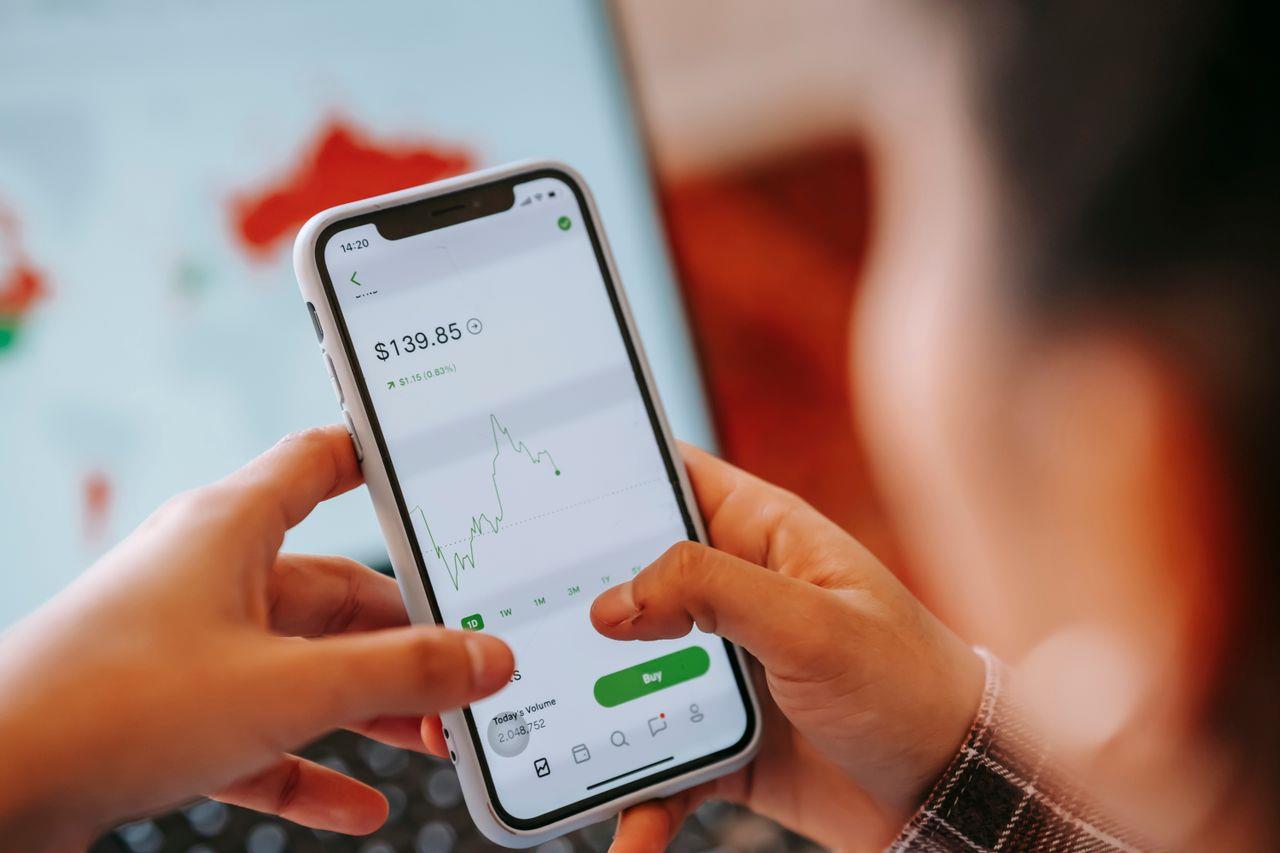
Markets in Your Pocket: What Mobile Trading Tools Actually Do


(Sponsored Article)
The modern financial markets function in a constant, electronic rhythm. Investors do not depend solely on desktop platforms or physical trading floors in assessing their market positions anymore. On the contrary, the use of mobile applications has made smartphones a primary interface for accessing exchange networks across the globe. Knowing what mobile trading tools actually do behind the glass screen helps investors make better judgments about their performance.
Real-Time Data Streaming and Market Surveillance
The primary function of any mobile financial application is delivering continuous, uninterrupted data streams. Financial markets move across milliseconds, making static pricing information obsolete for active market analysis. Application programming interfaces pull live bid, ask and volume feeds directly from centralized exchange data centers to mobile interfaces.
Cloud syncing then ensures that watchlists, custom technical indicators, and price thresholds remain updated across multiple connected devices simultaneously.
Exchange Data Stream ➔ Broker API Server ➔ Mobile Push Protocol ➔ User Interface Alert
Behind every smooth line chart sits a continuous cycle of server pings and background data processing. Examining software performance across operating systems such as exploring a functional Equiti app illustrates how optimized mobile infrastructure minimizes data latency while presenting multi-asset feeds in a clean, responsive interface.
Order Entry and Dynamic Routing Architecture
A core component of mobile software is translating touch-screen inputs into executed exchange orders. Selecting a buy or sell button triggers a rapid digital verification sequence before an order reaches a clearing network.
First, the application authenticates account permissions, available margin and risk parameters using low-latency biometric protocols. Once verified, smart routing logic automatically directs transaction requests to connected liquidity providers or matching engines.
|
Order Processing Step |
Primary Operational Function |
Technical Requirement |
|
Authentication & Check |
Verifies account permissions, available margin, and risk parameters |
Low-latency biometric or 2FA validation |
|
Dynamic Order Routing |
Directs transaction requests to liquidity providers or matching engines |
Automated STP/ECN API integration |
|
Execution Feedback |
Confirms trade fulfillment, price fill, and slippage details |
Real-time WebSocket confirmation |
Once routed, execution engines send instant WebSocket feedback directly back to the interface, confirming trade fulfillment and slippage details. This processing pipeline ensures that limit and stop orders execute accurately, even when managing positions on mobile cellular networks instead of wired broadband.
Interactive Technical Analysis and Mobile Charting
Mobile software has evolved beyond simple price updates, incorporating advanced charting libraries once reserved exclusively for desktop workstations. Touch-optimized controls like pinch-to-zoom allow users to navigate historic price candles across multiple timeframes easily.
Meanwhile, built-in calculation engines process complex overlay studies such as Moving Averages, Relative Strength Index, and Bollinger Bands directly on local mobile processors. Modern interfaces even allow users to set entry levels and take-profit targets visually on price charts.
However, managing these technical calculations locally requires efficient memory handling to prevent unexpected app closures during high-volatility sessions.
Account Security and Encryption Protocols
Because smartphone applications interface directly with financial balances, security infrastructure forms the foundation of mobile system architecture. Mobile tools use specialized cryptographic layers to protect user data from interception risks on public networks.
Biometric access layers like Touch ID and Face ID store authentication hashes within local secure enclaves, keeping master passwords off external servers entirely. Transport Layer Security (TLS 1.3) protocols encrypt every data packet sent between the app and the broker's servers, while automatic background logouts prevent unauthorized account access if a mobile device is lost or left unattended.
Balancing Mobile Convenience with System Constraints
While smartphone tools offer unprecedented access to global exchanges, market participants must remain aware of physical network constraints. Mobile coverage variations, background app refresh limits and screen size limitations represent practical trade-offs compared to multi-monitor desktop environments.
Evaluating these technical factors provides a complete picture of what mobile trading tools actually do in practice, empowering users to build reliable trading setups that pair mobile convenience with disciplined risk management.
MENAFN16092026007247015538ID1111674167

Legal Disclaimer:
MENAFN provides the
information “as is” without warranty of any kind. We do not accept
any responsibility or liability for the accuracy, content, images,
videos, licenses, completeness, legality, or reliability of the information
contained in this article. If you have any complaints or copyright
issues related to this article, kindly contact the provider above.


Comments
No comment