

Gov't Plans $10 Billion PPP Projects Over Next 3 To 4 Years - Minister


The projects, to be implemented under the public-private partnership (PPP) framework, will cover water, energy, transport, infrastructure and public services, the minister said.
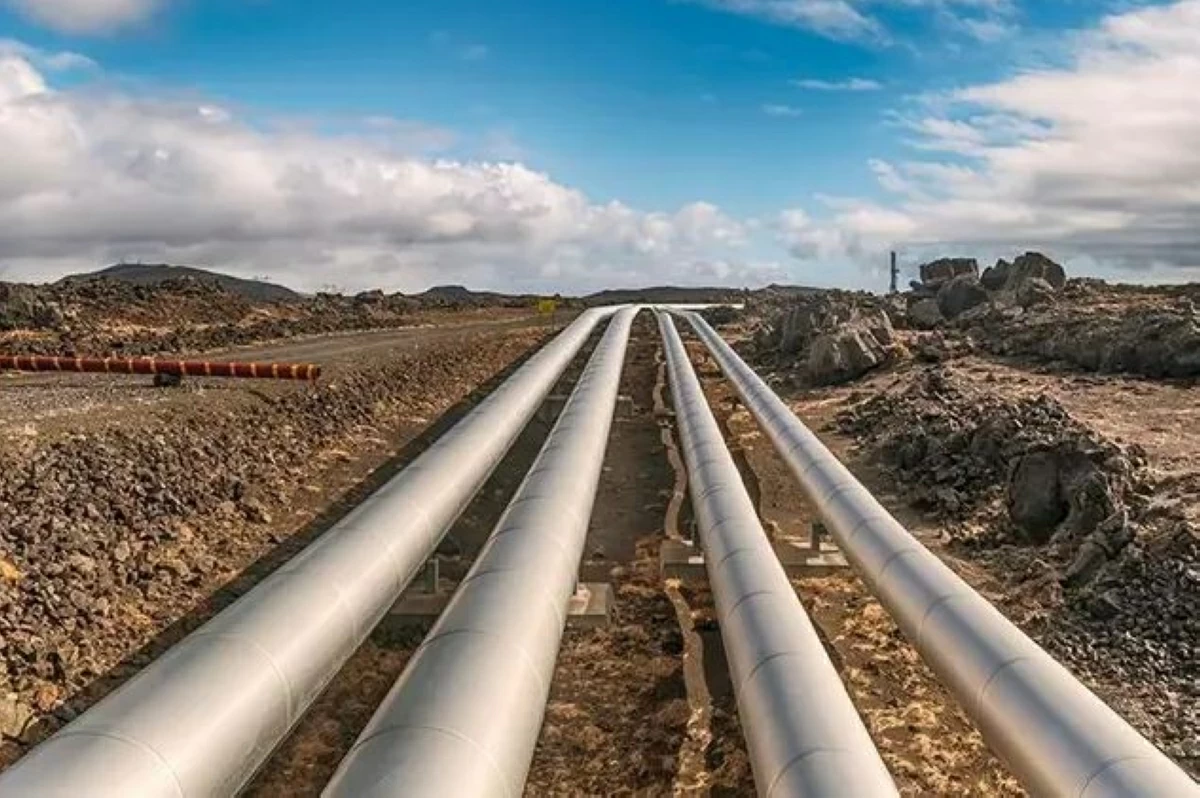
Speaking at a recent business meeting organised by the Jordanian Businessmen Association, Qudah said that the key projects include the National Water Carrier and a natural gas pipeline linking the Risha gas field to various parts of the Kingdom, according to the Jordan News Agency, Petra.
The gas pipeline is expected to help raise Jordan's natural gas self-sufficiency to about 80 per cent by 2028, he said, adding that exploration is continuing in areas surrounding the Risha field, with the potential to increase domestic gas production in the coming years.
He said recent economic indicators demonstrate the resilience of Jordan's economy and its ability to maintain growth despite regional challenges and global economic conditions.
“The government aims to sustain that growth, building on positive economic and sectoral indicators recorded during the first half of the year,” he said.
Exports were among the strongest indicators, he said, with total exports rising by more than 14 per cent in the first half of the year compared with the same period in 2025.
“Total exports grew by about 11.5 per cent in 2025 compared with 2024.”
He added that national exports increased by 6.2 per cent, reflecting growth in locally manufactured and produced goods sold in foreign markets, while re-exports surged 44 per cent.
Qudah said that the increase in re-exports reflects Jordan's strengthening role as a regional logistics and trade hub.
“The export gains came despite regional disruptions affecting supply chains, transportation and logistics, as well as growing competition in global markets.”
Qudah also pointed to improved operational performance at the Port of Aqaba, where container handling increased by more than 5 per cent during the first nine months of the year compared with the same period in 2025.
More than 12 industrial sectors recorded export growth during the period, he said, describing the diversification of Jordanian exports as an important strength that reduces reliance on a limited number of products and markets and improves the economy's ability to withstand external shocks.
“The government is also seeking to expand Jordan's export markets through trade agreements and preferential access for Jordanian products. Jordan currently has free-trade agreements linking it with markets including the United States, the European Union, the United Kingdom, Canada and Arab countries.”
Qudah said that Jordan is also pursuing new, non-traditional export markets.“The government is working to conclude two preferential trade agreements before the end of the year, one with Rwanda and another with Uzbekistan.”
An agreement with Rwanda would open opportunities in East and Central African markets, while an agreement with Uzbekistan would provide Jordanian exporters with greater access to Central Asian markets, he said.
He added that the government has also begun talks with the Eurasian Economic Union on a possible preferential trade agreement aimed at improving access for Jordanian products to new markets with strong purchasing power and growth potential.

Legal Disclaimer:
MENAFN provides the
information “as is” without warranty of any kind. We do not accept any
responsibility or liability for the accuracy, content, images, videos,
licenses, completeness, legality, or reliability of the information
contained in this article. If you have any complaints or copyright issues
related to this article, kindly contact the provider above.
Comments
No comment