

Iran Threat To Cut Hormuz Undersea Cables Puts Gulf On Edge


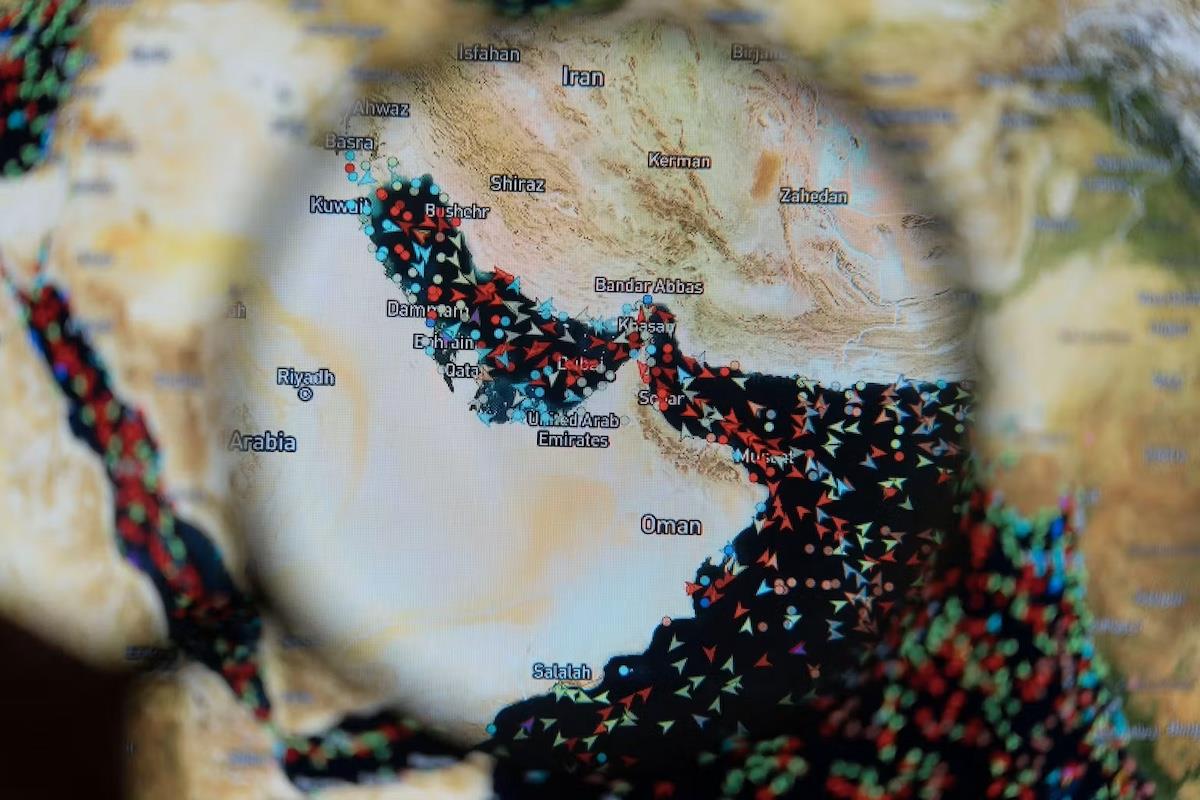
Iran has also recently said it will establish a new“restricted zone” stretching into the Gulf from the Strait of Hormuz – although details remain sketchy. Less frequently discussed is the network of undersea cables across the Persian Gulf, which connect the region with the outside world.
On August 16, the Wall Street Journal reported that the Iranian government was considering attacks on that network. In the Gulf's relatively shallow waters, threats to this critical undersea infrastructure (CUI) pose a credible risk to the Gulf States and the wider world.
These cables form a largely unseen foundation of the global economy, carrying more than 95% of international data traffic. Their role extends far beyond everyday internet and call usage. They support financial transactions, government communications and the increasingly data-intensive operations of the global technology sector.
Major technology companies such as Google, Amazon, Meta and Microsoft are investing heavily in subsea connectivity as they expand data-centre networks and seek to meet the growing demands of AI.
For the Gulf States, where hundreds of billions of dollars are being invested in AI as part of efforts to diversify economies away from fossil fuels, disruption to this infrastructure could therefore have consequences far beyond communications. Cutting these CUI cables threatens a key element of their broader economic ambitions.

Legal Disclaimer:
MENAFN provides the
information “as is” without warranty of any kind. We do not accept any
responsibility or liability for the accuracy, content, images, videos,
licenses, completeness, legality, or reliability of the information
contained in this article. If you have any complaints or copyright issues
related to this article, kindly contact the provider above.
Comments
No comment