

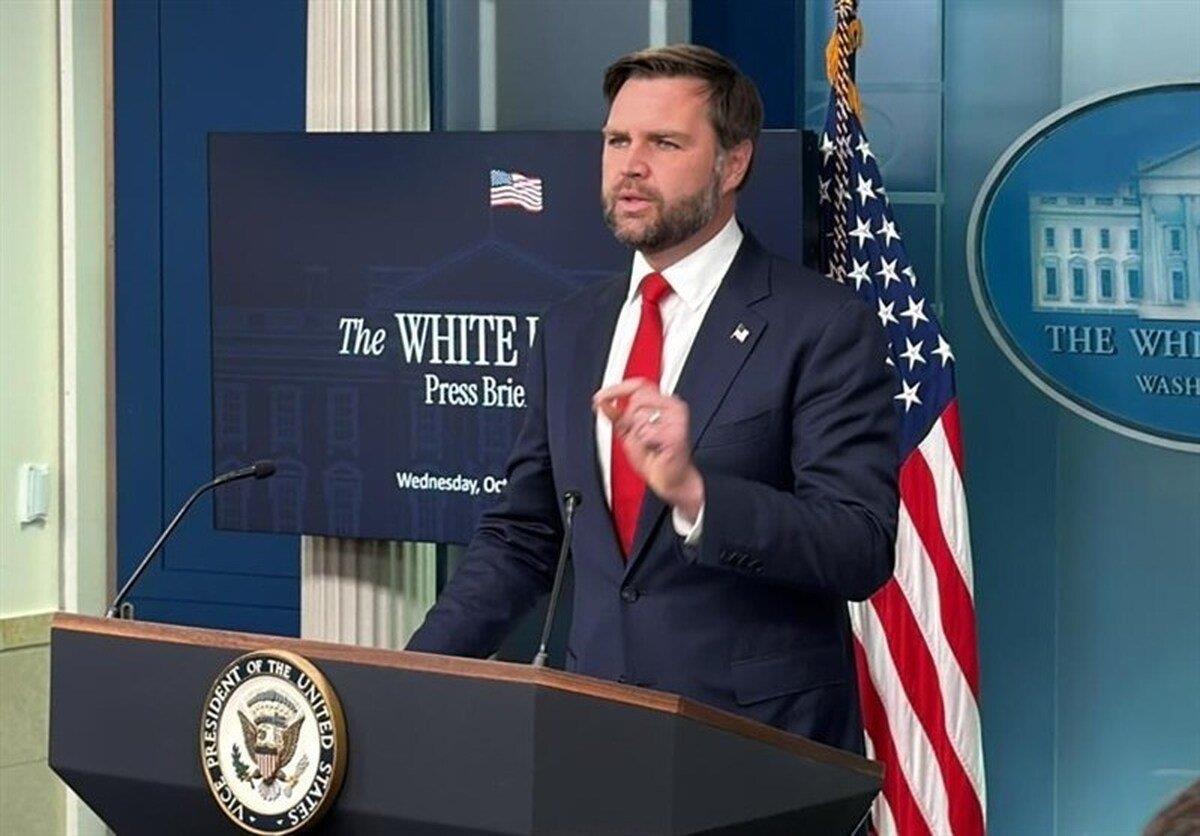
JD Vance Says Iran Conflict Is Entering A“Much Different Phase”


Speaking to the New York Post in an interview published Wednesday, Vance said the coming months would mark a“different phase” of the confrontation. He said the United States would seek to ensure Iran is unable to restore the military assets damaged during recent U.S. operations or rebuild capabilities that could threaten regional stability.
Vance said Washington's objectives during the initial stage of the conflict were to dismantle Iran's nuclear program, weaken its conventional military capabilities, and reduce Tehran's ability to project power beyond its borders. He described those goals as the central focus of recent U.S. military operations against Iranian targets.
According to Vance, the next phase will prioritize intelligence, surveillance, and military measures designed to prevent Iran from reconstituting missile systems, air defenses, drone infrastructure, and other strategic military assets damaged during the fighting. He said the strategy is intended to preserve what he described as“maximum global stability” after the war.
Washington signals long-term containment strategyVance's comments come after weeks of escalating military exchanges between the United States and Iran, including U.S. strikes on Iranian military infrastructure and retaliatory missile and drone attacks by Tehran against U.S. positions and regional allies. The renewed fighting has heightened concerns about the security of the Gulf and international shipping routes.
He also accused Iran of continuing to threaten commercial shipping through the Strait of Hormuz, saying Iranian forces still occasionally target merchant vessels passing through the strategic waterway. The Strait of Hormuz remains one of the world's most important energy chokepoints, with a significant share of global oil exports transiting the corridor each day.
Iran rejects U.S. accusationsIran has consistently rejected U.S. accusations that it threatens international shipping or is rebuilding offensive military capabilities in violation of international commitments. Tehran has maintained that its military actions are defensive and has condemned recent U.S. strikes as violations of its sovereignty.
The latest comments from the U.S. vice president suggest Washington is preparing for a prolonged period of pressure on Iran even if large-scale military operations become less frequent. Analysts say the next stage of the conflict is likely to rely more heavily on intelligence operations, sanctions enforcement, regional military deterrence, and efforts to prevent Iran from restoring its strategic military infrastructure.

Legal Disclaimer:
MENAFN provides the
information “as is” without warranty of any kind. We do not accept any
responsibility or liability for the accuracy, content, images, videos,
licenses, completeness, legality, or reliability of the information
contained in this article. If you have any complaints or copyright issues
related to this article, kindly contact the provider above.
Comments
No comment