

Philippines' BARMM Elections Must Rise Above Violence And Political Warlordism


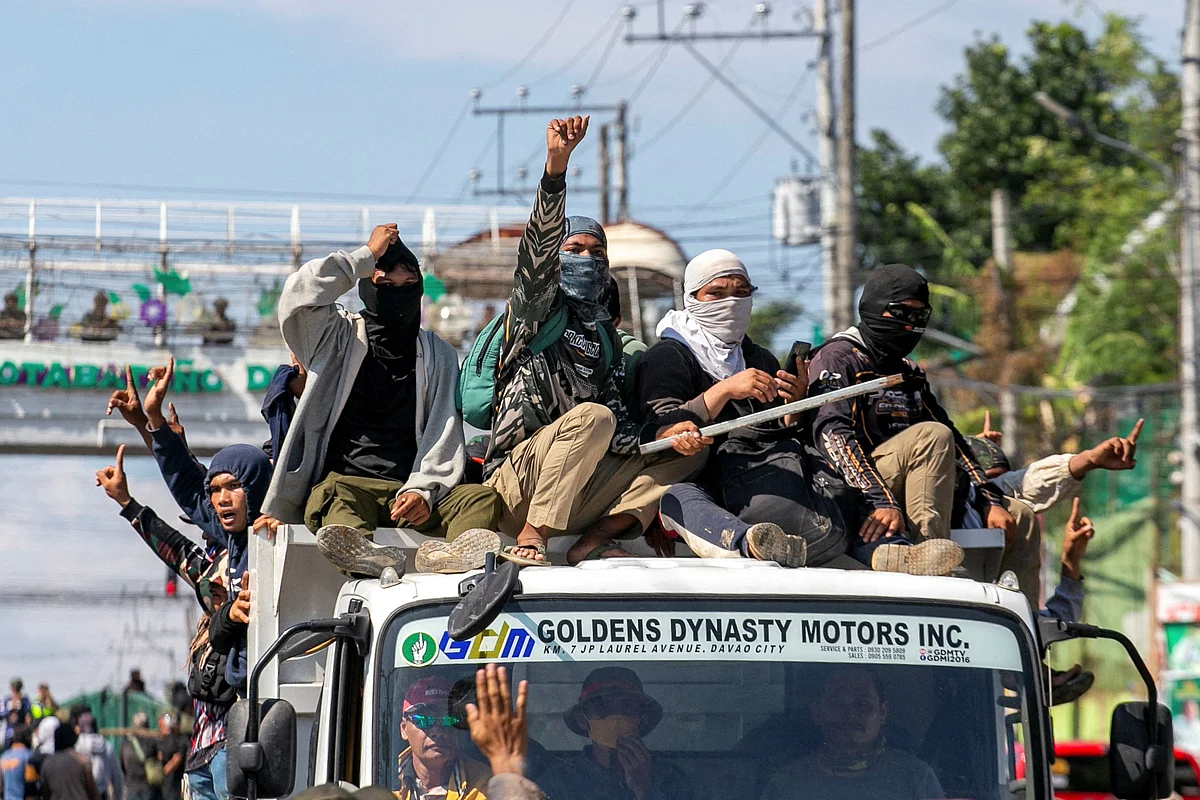
The Philippine National Police (PNP) described the conduct of the elections as“generally peaceful” in spite of five deaths and 18 injuries – including a police officer – immediately before and during the September 14 polls. The Commission on Elections (Comelec) has yet to reveal voter turnout percentages, but the elections saw numerous disruptions, including voters and election clerks refusing to return to polling precincts due to terror felt during gunfights and violent confrontations.
Recommended For YouThe sound of automatic fire, explosions and raised voices defined what could have been a historic event. Political warlords, as numerous in the region as there were candidates in Monday's elections, also fielded armed supporters to intimidate and influence results. It was all the media could report on throughout the entire day.
Stay up to date with the latest news. Follow KT on WhatsApp Channels.
Political and human rights advocates said decades of armed struggle and shedding of blood for independence were not enough to keep factionalism and the lust for power away from what could have been a day of unity, celebration and history.
“Our first parliamentary election was supposed to be another step in a long struggle for our people to have a voice in determining our own future. We fought not for who holds the power, but for how power is to be held, not by one, but by the many voices of the Bangsamoro," said writer and academic Ayesha Merdeka Macatbar Alonto,
Ayesha, who describes herself as a 'child of the Mindanao War', said her generation grew up believing that one day the killings would end, that the Bangsamoro people would no longer have to fight with guns to have a voice in determining their future.“That day was supposed to be different, not this,” she sighed.
What is the Bangsamoro struggle?The Bangsamoro is the collective identity and homeland of the Moro peoples of the southern Philippine island of Mindanao. Composed of 13 major ethnolinguistic groups, they are predominantly Muslim and share an Islamic culture and heritage distinct from the rest of the Philippines, which was converted to Catholicism by Spanish colonialism.
The Bangsamoro possesses a proud and long history of resisting foreign and domestic rule, successfully opposing Spanish, American and other foreign invasions. It also suffered historical injustices such as massacres, land grabbing, vilification, and other atrocities, both from foreigners and the various Manila-based administrations.
The modern Bangsamoro independence movement began in 1968 following the Jabidah Massacre under the Ferdinand Marcos Sr. government, involving 28 Moro fighters. Moro leaders established the Moro National Liberation Front, but after a decade of struggle, leadership rivalries led to the formation of a rival group, the Moro Islamic Liberation Front (MILF).
It was the MILF that signed a peace pact with Manila in 2014 that eventually led to September 14's first parliamentary elections to create an elected Bangsamoro government within the Philippine republic.
Comrades turned rivalsFor the BARMM elections, MILF created the United Bangsamoro Justice Party (UBJP), expecting its political arm to dominate the soon-to-be-formed Bangsamoro Parliament. Instead, some of its key leaders broke away months before the polls and formed the Bangsamoro Federalist Party (BFP). The BFP is widely regarded as having aligned itself with traditional political dynasties of the region and the current Ferdinand Marcos Jr. governmen t.
UBJP supporters have accused the Marcos government, Comelec, military and the police of favouring the BFP in the conduct of Monday's polls. It led to rioting, gunfights, and massive electoral disruptions. Former comrades-in-arms in the long struggle for justice became sworn enemies in what should have been a day of victory for the Bangsamoro.
Remember the peopleAyesha said the election-related killings made her think of the men of her generation who once stood together as brothers in arms for the Bangsamoro cause, men who laid down arms so the struggle could move from the battlefield to the political arena.“For those of us who were children then, that meant something. We believed the sacrifices of that generation would lead us somewhere our children would not have to know the things we knew,” she said.
“That memory hurts,” bewailed Ayesha, but she's still hoping comrades-turned-rivals will pause and remember.
“We did not come this far merely to change the names of those who hold power... Remember the people you once fought for,” she implored.“For certainly, it cannot be for this (election violence),” added Ayesha, underscoring: "There is a painful irony when those who once challenged the old order begin to resemble the very order they once said was unacceptable."
ALSO READ- Watch: Philippines' historic BARMM elections marred by violence, pre-shaded ballots Philippines: 5 dead, 15 wounded as historic BARMM elections begin Philippines set for historic vote in Muslim Mindanao's BARMM

Legal Disclaimer:
MENAFN provides the
information “as is” without warranty of any kind. We do not accept any
responsibility or liability for the accuracy, content, images, videos,
licenses, completeness, legality, or reliability of the information
contained in this article. If you have any complaints or copyright issues
related to this article, kindly contact the provider above.
Comments
No comment