

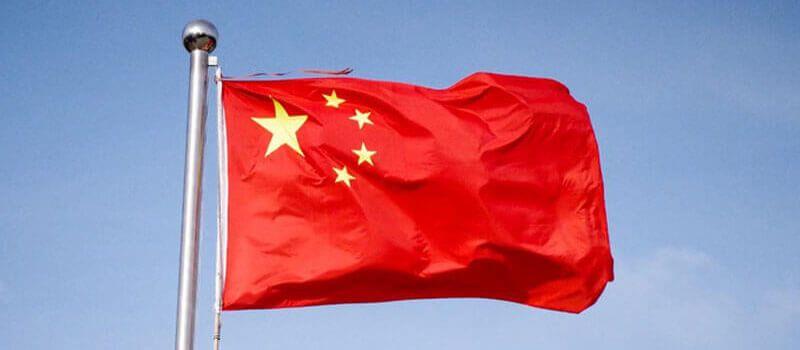
China Tightens Travel Rules For Citizens


China has introduced a series of sweeping new rules restricting travel into and out of the country, in a move that critics say could give the government even greater control over citizens' movements.
Under the new regulations, Chinese citizens who are considered to have“harmed” China's national security or interests while abroad can be prevented from leaving the country for up to three years.
The rules can also apply to people regarded as posing a threat to China's industrial or technological security. This is particularly significant as Beijing and Washington continue to compete for technological leadership in areas such as semiconductors, artificial intelligence, and advanced computing.
According to reports, travel restrictions had already been imposed on some executives working in sensitive technology sectors. In March, for example, the co-founders of Manus, an AI company later acquired by Meta, were reportedly prevented from leaving China.
Under the new rules, border officials are also required to warn Chinese citizens against travelling to countries and regions considered“high-risk.” The authorities will have greater powers to determine which destinations fall into this category.
However, restrictions on overseas travel are not entirely new. Even before the latest regulations were introduced, certain groups of Chinese citizens faced limitations on travelling abroad. Civil servants were among the first to experience such controls, which were later extended to employees of state-owned companies and, in some cases, ordinary citizens.
A retired grassroots civil servant in Anhui told BBC Chinese that his workplace began requiring employees to surrender their passports around 2018. Despite retiring last year, his passport remains in the possession of his former employer.
The new measures highlight how travel controls are increasingly connected not only to national security but also to economic and technological competition. As China seeks to protect sensitive industries and reduce the risk of technology leaks, restrictions on international travel could become an increasingly important tool of state policy.

Legal Disclaimer:
MENAFN provides the
information “as is” without warranty of any kind. We do not accept any
responsibility or liability for the accuracy, content, images, videos,
licenses, completeness, legality, or reliability of the information
contained in this article. If you have any complaints or copyright issues
related to this article, kindly contact the provider above.
Comments
No comment