

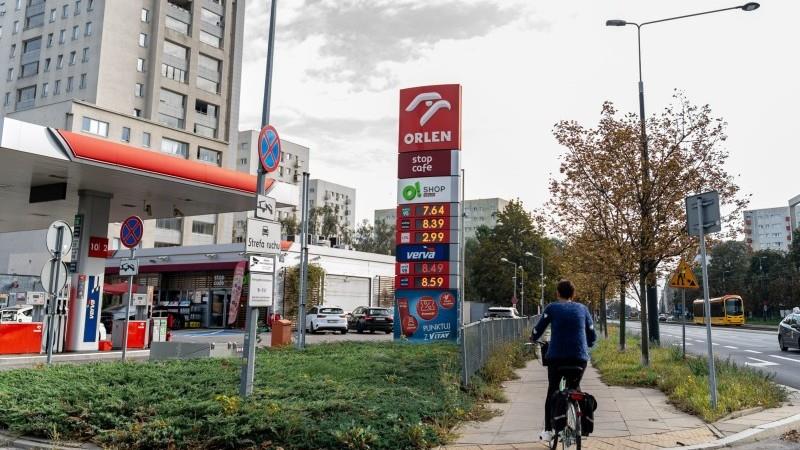
Fuel Prices Push Polish Inflation Higher As Energy Outlook Deteriorates


Poland's StatOffice confirmed its preliminary estimate of August consumer price inflation at 3.4% year-on-year. Goods prices increased by 2.5% YoY, compared with 2.0% in July, while services inflation edged up to 5.6% YoY from 5.5%. Within the goods category, fuel prices rose particularly sharply (up by 5.2% month-on-month). Among services, transport prices increased by 10.6% MoM, driven partly by international airfares. Package holiday prices also rose significantly (3.8% MoM).
More expensive fuel was the main source of inflationThe rise in fuel prices was the main driver of the increase in inflation in August. We estimate that it added around 0.5 percentage points to the annual inflation rate compared with July. Fuel price inflation accelerated to 24.2% YoY from 15.8% a month earlier.
Food and non-alcoholic beverage prices moved in the opposite direction. Their annual decline deepened to 0.9% in August from 0.4% in July. From the inflation perspective, conditions in the meat, livestock and dairy markets remain favourable. Meat prices fell by 0.4% MoM, while dairy prices also declined by 0.4% vs the previous month. Fruit and vegetable prices continued to fall sharply, dropping by 2.7% MoM and 3.8% MoM, respectively. Competition between the largest retail chains remains intense, with retailers continuing to offer substantial discounts and promotions.
We estimate that core inflation (CPI excluding food and energy prices) increased marginally to 3.2% YoY in August, from 3.1% in July. Energy accounted for more than half of the annual increase in consumer prices in August. Outside the energy component, however, broader price pressures remain limited by weakening demand. Slowing wage growth and higher fuel prices are constraining household spending. Private consumption growth eased to 2.8% YoY in 2Q26, from 3.3% YoY in the first quarter of the year.
Inflation growth driven by fuelsCPI, %YoY, percentage points
Source: GUS, ING."> Prolonged Middle East tensions worsen the energy outlookEscalating tensions in the Middle East, the lack of an agreement concerning the Strait of Hormuz, the threat posed by Houthi rebels to shipping in the Red Sea and the Bab al-Mandab Strait, along with the damage to Saudi Arabia's East-West oil pipeline have pushed crude oil prices back above US$100 per barrel. As a result, the near-term inflation outlook has deteriorated, mainly because of the risk that fuel prices will remain elevated for longer.
Alongside high oil prices, recent weeks have also brought a renewed increase in European natural gas prices. The one-month TTF contract is currently trading at around €83/MWh, up from around €30 in late February and around €50 in mid-July. What is more, wholesale electricity prices went up significantly (2027 base forward to PLN590 per MWh in mid-September from around PLN500 in late August). This could result in a significant increase in regulated household electricity and natural gas prices under tariffs approved by Poland's Energy Regulatory Office (URE), which are due to come into effect at the beginning of 2027.
NBP rate cuts unlikely before the second half of 2027Each additional month of elevated fuel prices increases the risk of second-round inflation effects. Nevertheless, the current environment remains significantly less inflationary than during the Covid-19 pandemic and following Russia's invasion of Ukraine. Both in Poland and abroad, household income constraints are limiting companies' ability to raise prices. In our view, the likelihood of interest rate increases on the scale currently priced in by the market remains low.
Should geopolitical tensions persist over the coming months, Poland's CPI inflation could rise towards 4% YoY in the near term. A more pronounced decline in inflation is unlikely before the second half of 2027. We expect the Monetary Policy Council (MPC) to keep interest rates unchanged at least until the end of 2026 while monitoring risks related to developments in the energy market. In our view, any easing of monetary policy is unlikely before the second half of 2027.

Legal Disclaimer:
MENAFN provides the
information “as is” without warranty of any kind. We do not accept any
responsibility or liability for the accuracy, content, images, videos,
licenses, completeness, legality, or reliability of the information
contained in this article. If you have any complaints or copyright issues
related to this article, kindly contact the provider above.
Comments
No comment