

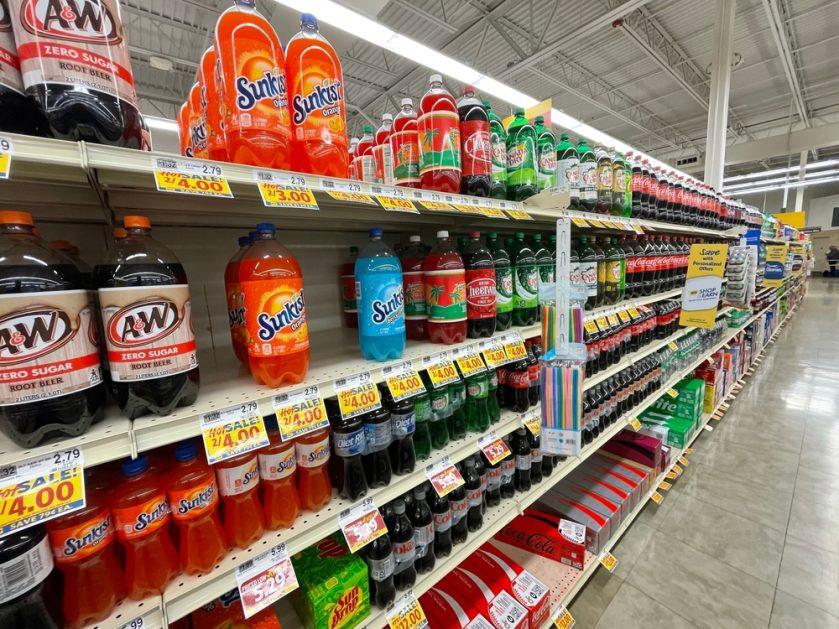
Ohio Plans To Ban Sugary Drinks And Fountain Beverages From SNAP Purchases Starting Oct. 1


For shoppers, the practical issue is simple: if a beverage falls within the state's restricted categories, SNAP benefits would no longer pay for it even if the same product could previously be purchased with an EBT card.
Ohio Asked USDA to Change What SNAP Can BuyUnder federal SNAP rules, benefits can generally be used to purchase a broad range of foods intended for household consumption, but states can ask USDA for permission to test changes through demonstration projects. Ohio submitted its initial request on October 28, 2025, seeking to exclude sugar-sweetened beverages from foods eligible for purchase with SNAP benefits.
USDA approved that initial demonstration project on March 4, 2026. Ohio later modified its request on June 12, 2026, seeking to add fountain drinks to the products excluded from SNAP purchases. The state requested that the restrictions take effect October 1.
What Would Change at the Grocery Store?For Ohio SNAP households, the biggest change would happen at checkout. Products covered by the state's restriction could still be purchased, but shoppers would need another form of payment instead of SNAP benefits. That distinction is important: the project isn't a statewide ban on selling or buying these beverages. It changes whether SNAP benefits can be used to pay for them.
The restrictions could also require adjustments by SNAP-authorized supermarkets, convenience stores and other retailers to make sure their point-of-sale systems correctly distinguish eligible products from restricted ones. Shoppers should watch for guidance from Ohio and USDA explaining exactly which products fall within the definitions used by the demonstration project rather than assuming every sweetened or carbonated beverage is treated identically.
Why Is Ohio Changing Its SNAP Rules?Federal law gives USDA authority to approve SNAP demonstration projects intended to test potential improvements to program administration, benefit delivery and nutrition. Ohio's project is part of a larger push by several states to restrict SNAP purchases of certain foods or beverages. USDA's current list of food-restriction demonstration projects includes states targeting products such as soft drinks, candy, energy drinks and other sweetened beverages.
The stated rationale behind many of these initiatives is to encourage SNAP dollars to support foods and beverages more consistent with nutritional goals. The projects also give federal and state officials an opportunity to evaluate how restrictions work in practice, including their effects on participants and retailers.
This Doesn't Mean SNAP Is Changing NationwideOhio's project applies to SNAP purchases in Ohio, not every SNAP household in the United States. SNAP is a federal program, but approved demonstration projects allow individual states to test certain changes under USDA oversight. That means someone using SNAP benefits in another state shouldn't assume Ohio's new restrictions apply to their EBT card.
At the same time, Ohio isn't alone in pursuing food-purchase restrictions. USDA has approved or considered demonstration projects in multiple states involving restrictions on products such as soda, candy, energy drinks and other sweetened beverages, making this an area SNAP households across the country may want to watch.
USDA Wants the Public to CommentAlthough federal law doesn't require USDA to solicit public comments for this type of SNAP demonstration project, the Food and Nutrition Service is voluntarily requesting feedback. The agency is particularly interested in comments concerning the implementation and operation of Ohio's project. Comments must be received by October 15, 2026.
People submitting comments should also understand that comments become part of the public record, including identifying information provided with the submission. SNAP recipients, retailers, food manufacturers, health organizations and other interested parties may all have perspectives on how the restrictions could work in practice.
Ohio SNAP Shoppers Should Watch for Checkout GuidanceThe biggest unanswered question for many shoppers won't be why Ohio is changing the rule but exactly how they'll know which beverages are affected. Retailers will need sufficiently clear product definitions and systems to determine which purchases can be paid for with SNAP benefits. For households trying to stretch limited grocery benefits, discovering that a regular purchase is no longer eligible only after reaching the register could create confusion.
Ohio SNAP recipients should therefore watch for official implementation guidance explaining which beverages are excluded, when the change begins and whether particular products fall within the state's definitions. The larger takeaway is that SNAP purchasing rules are becoming less uniform as states test new food restrictions, making it increasingly important for recipients to know the rules where they actually use their benefits.

Legal Disclaimer:
MENAFN provides the
information “as is” without warranty of any kind. We do not accept any
responsibility or liability for the accuracy, content, images, videos,
licenses, completeness, legality, or reliability of the information
contained in this article. If you have any complaints or copyright issues
related to this article, kindly contact the provider above.
Comments
No comment