

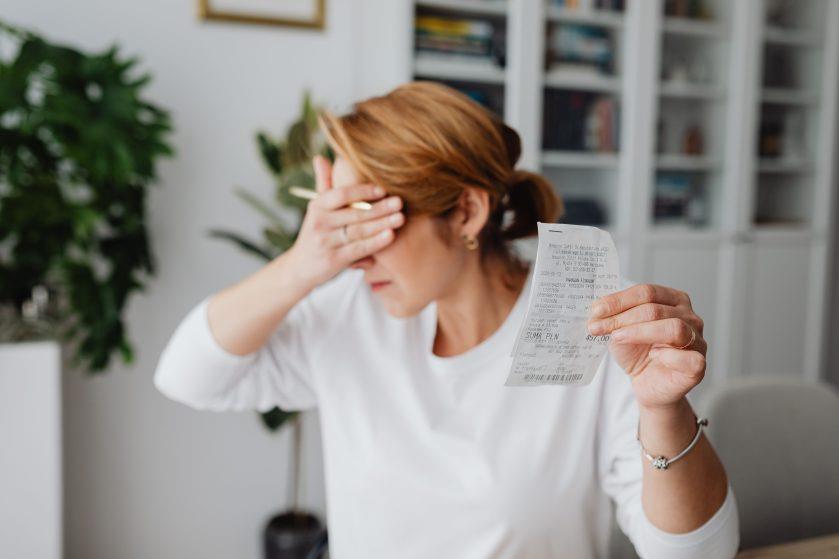
How Long Should You Keep Recalled Food Receipts - And Do You Actually Need One For A Refund?


A routine email notification from a consumer safety watchdog or a local news alert flashing across a smartphone screen can instantly turn a harmless pantry staple into a biological hazard. When the United States Department of Agriculture or the Food and Drug Administration announces a sweeping recall for contaminated ground beef, undeclared allergens in packaged snacks, or listeria-tainted produce, panic usually sets in first. Home cooks rush to check refrigerator shelves and pantry bins, separating compromised goods from safe inventory.
Once the initial sorting is complete and the offending packages are tossed into the trash bin, a practical financial question quickly follows. Managing the paperwork trail of food purchases requires understanding how long recall liability stretches and what retailers actually demand before handing back your hard-earned cash.
The Federal Recall Window and Store Liability TimelinesFederal regulatory agencies and major grocery chains follow specific logistical guidelines to determine how long product recall data and purchase records remain active. Most federal food safety investigations track distribution batches spanning thirty to ninety days before the initial outbreak detection, accounting for complex supply-chain transit times and the delayed incubation periods of pathogens like Salmonella and Listeria.
Consequently, consumer advocacy groups and retail compliance experts recommend holding onto grocery receipts for at least sixty to ninety days if you routinely purchase perishable items with extended shelf lives, frozen goods, or bulk packaged staples. While fresh produce rotates out of home kitchens within a week, canned goods, frozen meats, and packaged snacks can sit in pantries unnoticed for months, making an accessible paper trail or digital purchase history essential if a retroactive alert hits your favorite brand.
Do You Actually Need a Receipt for a Refund?Navigating the customer service counter after a high-profile recall often feels intimidating. This leads many shoppers to assume that tossing a contaminated item in the trash is their only option. In reality, consumer protection laws and standard supermarket policies are surprisingly forgiving when dealing with government-mandated safety recalls. You do not always need a physical receipt for a full refund or store credit.
Major national grocery chains and warehouse clubs maintain lenient return protocols for recalled merchandise because manufacturers reimburse retailers directly for defective or dangerous items. If you bring a recalled package back to the customer service desk-or even clear photographs of the product's barcode, lot number, and expiration date if the item was already discarded for safety reasons-most store managers will process a refund without hesitation. Requiring proof of purchase during a federal health emergency creates a dangerous barrier that discourages consumers from returning unsafe food, which regulatory bodies and corporate legal teams actively work to avoid.
Loyalty Accounts and Invisible ReceiptsFor shoppers who frequently misplace paper receipts or despise cluttering kitchen counters with slips of thermal paper, modern digital grocery ecosystems offer a seamless safety net. When you scan a store loyalty card, enter a phone number at checkout, or place orders through an official retail app, every single item purchase is permanently archived in your customer profile.
If a recall announcement names a specific brand of organic spinach or frozen chicken nuggets that you purchased three weeks ago, you do not need to hunt through a physical filing system. Opening your retail app's purchase history or asking a customer service associate to look up your loyalty account provides instant digital proof of purchase. This invisible receipt infrastructure eliminates the traditional friction of returns, ensuring that your refund is processed quickly and accurately without requiring a crumpled piece of paper.
Manufacturer Refunds and Direct-to-Consumer ClaimsBeyond returning tainted items to your local neighborhood supermarket, many major food manufacturers establish direct reimbursement pipelines during widespread multi-state outbreaks. When massive corporations face severe product recalls, they often launch dedicated online consumer portals where buyers can submit claim forms.
Depending on the manufacturer's policy, these direct claims may require uploading a photograph of the package showing the specific lot code, UPC barcode, and best-by date rather than a traditional cash register receipt. If a manufacturer requires physical proof of purchase to issue a check or electronic gift card rebate, having your digital grocery app history or a saved credit card statement serves as reliable backup documentation. Checking the official FDA or USDA recall announcement page usually directs consumers straight to these manufacturer-specific reimbursement links.
Streamlining Your Kitchen Paperwork and Safety HabitsBalancing the need for financial accountability with a clutter-free kitchen does not require saving every grocery receipt indefinitely. Adopting a simple, intentional filing routine-such as keeping grocery receipts in a designated kitchen envelope or magnetic clip for thirty days before discarding them-strikes the ideal balance between budget protection and home organization.
When combined with active digital loyalty tracking, a modest retention window ensures you are never left out of pocket when a routine grocery item faces an unexpected safety recall. Protecting your household's health and your wallet go hand in hand when you understand how to navigate the retail return process.
What system do you use to manage your grocery receipts and store purchase records at home?
What To Read NextThe Recalled Lettuce Is Gone From Stores - So Is It Safe to Eat Salad Again?
Made Fresh Salads Recalls Deli Salads, Cream Cheese and Other Foods Over Listeria Risk
8 Whole Foods Foods Recalled This Month That Shoppers May Still Have at Home
American Regent Recalls Epinephrine Injection Vials Over Particles and Sterility Concerns
Is Anything Safe to Eat? Navigating Modern Recalls and Protecting Your Plate

Legal Disclaimer:
MENAFN provides the
information “as is” without warranty of any kind. We do not accept any
responsibility or liability for the accuracy, content, images, videos,
licenses, completeness, legality, or reliability of the information
contained in this article. If you have any complaints or copyright issues
related to this article, kindly contact the provider above.
Comments
No comment