

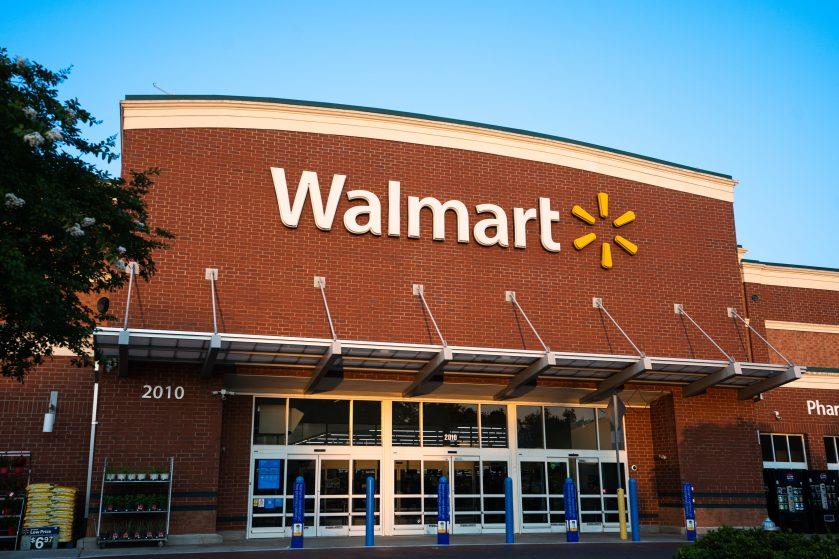
Walmart, Aldi Or Kroger: Where Does A $100 Grocery Budget Stretch Furthest?


| Grocery | Aldi | Walmart | Winner |
|---|---|---|---|
| Gallon 2% milk | $2.65 | $3.03 | Aldi |
| White bread | $1.45 | $1.48 | Aldi |
| Chicken breast/lb. | $2.19 | $2.57 | Aldi |
| Ground beef/lb. | $5.29 | $7.23 | Aldi |
| Dozen eggs | $1.85 | $1.67 | Walmart |
| Potatoes/lb. | $0.54 | $0.77 | Aldi |
| Baby carrots | $0.89 | $1.32 | Aldi |
| Peanut butter | $1.75 | $1.98 | Aldi |
| Grape jelly | $2.85 | $1.98 | Walmart |
| Bananas/lb. | $0.16 | $0.20 | Aldi |
| Iceberg lettuce | $2.09 | $1.97 | Walmart |
| Total | $21.71 | $24.20 | Aldi |
This is where the comparison becomes much more useful than simply declaring Aldi America's cheapest grocery store.
In the North Carolina price check, Aldi charged $2.65 for a gallon of 2% milk, while Walmart charged $3.03.
Aldi's boneless skinless chicken breasts were $2.19 per pound compared with $2.57 at Walmart, while 80% lean ground beef was $5.29 per pound at Aldi versus $7.23 at Walmart.
Potatoes were another big Aldi win at 54 cents per pound versus 77 cents at Walmart, and baby carrots were 89 cents compared with $1.32.
But then the pattern flipped.
Walmart's eggs were $1.67 per dozen versus $1.85 at Aldi, iceberg lettuce was $1.97 versus $2.09, and grape jelly was $1.98 at Walmart versus $2.85 at Aldi.
That's the important budget lesson: Aldi may win the cart without winning every shelf tag.
Walmart Can Still Be the Better $100 Store for Some HouseholdsWalmart's biggest strength isn't necessarily beating Aldi on basic store-brand groceries. It's combining competitive prices with enormous selection.
A shopper who needs groceries, toiletries, cleaning supplies, pet food, paper products, medications, and specific national brands may be able to complete the entire trip without visiting a second store.
That matters because a second grocery stop has a cost, too.
Driving several miles to save 40 cents on bread isn't much of a victory once you account for gasoline, time, and the possibility of making additional impulse purchases.
Walmart also uses an everyday-low-price model rather than requiring shoppers to build their entire strategy around a weekly sale circular.
For households that value predictable prices and one-stop shopping, paying a few dollars more on a $100 grocery basket may be an entirely reasonable trade.
Kroger Is a Different Kind of Grocery GameKroger presents the most complicated comparison because paying the regular shelf price isn't necessarily the way experienced Kroger shoppers buy groceries.
The Consumer Reports comparison found Kroger's basket averaged 14.8% more than Walmart, even after including sale prices and discounts available through free store loyalty cards.
Using that comparison purely as an illustration, a $100 Walmart basket would cost about $114.80 at Kroger.
Turn the math around, and a $100 Kroger budget would purchase only about $87 worth of groceries priced at Walmart's average level.
But there's an important limitation: the Consumer Reports methodology did not include manufacturer coupons or savings available only through smartphone apps.
And that's exactly where Kroger can become more competitive.
Kroger Shoppers Have to Work the SalesKroger offers digital coupons, personalized deals, weekly promotions, loyalty pricing, and fuel points, meaning a carefully planned Kroger cart can look very different from a cart purchased at regular shelf prices.
Suppose chicken is deeply discounted one week, pasta is included in a multi-buy promotion, and several products on your normal list have digital coupons.
Building meals around those deals could erase part of Kroger's average price disadvantage-and particular sale items may beat both Aldi and Walmart.
The catch is that shoppers have to do the work.
Buying whatever you want at Kroger without checking the weekly ad, loyalty prices, or digital offers is much less likely to stretch $100 as far as shopping a low-price retailer.
That makes Kroger potentially valuable for a deal-driven shopper, but less compelling for someone who wants to walk in without preparation and simply buy the cheapest basics.
The $100 Winner Depends on What's in Your CartThe evidence points toward Aldi as the strongest overall choice for a basic $100 grocery budget, but with an important asterisk.
Consumer Reports found Aldi averaged 8.3% cheaper than Walmart across its multi-city comparison, and the September North Carolina staple check produced a similar result: Aldi's $21.71 basket beat Walmart's $24.20 total.
Walmart, however, won individual items in that same comparison and offers far more selection, making it easier to complete a mixed grocery-and-household shopping trip in one place.
Kroger's regular and loyalty-card pricing came in substantially higher in the broader Consumer Reports comparison, but app coupons, personalized offers, clearance prices, and weekly promotions weren't fully captured.
So rather than treating one chain as the automatic winner, match the store to the shopping trip.
Basic store-brand staples with minimal planning? Aldi has the advantage.
A large mixed list requiring specific brands and household products? Walmart may justify the small premium.
A shopping list you're willing to rebuild around weekly sales and digital coupons? Kroger deserves a closer look.
And if you have Aldi and Walmart close together, the smartest strategy may be even simpler: learn the handful of products each store consistently sells cheapest and stop assuming that one retailer wins every item.
If you had exactly $100 for groceries this week, would you take it to Aldi, Walmart, or Kroger?
What To Read NextBuying Meat for the Week? These 6 Price-Per-Pound Traps Can Wreck Your Budget
The Aldi Aisle That Can Blow Your Grocery Budget Before You Reach the Milk
Walmart, Aldi or Dollar General: Where Should a $50 Grocery Budget Actually Go?
The Grocery Budget Reset: What to Do When Your Old Weekly Number No Longer Works
Before You Make a September Budget, Recheck What Your Groceries Actually Cost

Legal Disclaimer:
MENAFN provides the
information “as is” without warranty of any kind. We do not accept any
responsibility or liability for the accuracy, content, images, videos,
licenses, completeness, legality, or reliability of the information
contained in this article. If you have any complaints or copyright issues
related to this article, kindly contact the provider above.
Comments
No comment