

Colorado And California Wildfire Codes Ban Wood Shakes In 2026 - CEDUR's Class A Synthetic Cedar Is Built To Meet Both


| “The question isn't whether communities will tighten wildfire codes - it's already happening. The question is whether homeowners and design professionals can still get the warmth and character of cedar while meeting those codes. That's exactly what CEDUR was built for.” KONRAD BOLOWICH, CHIEF EXECUTIVE OFFICER, CEDUR |
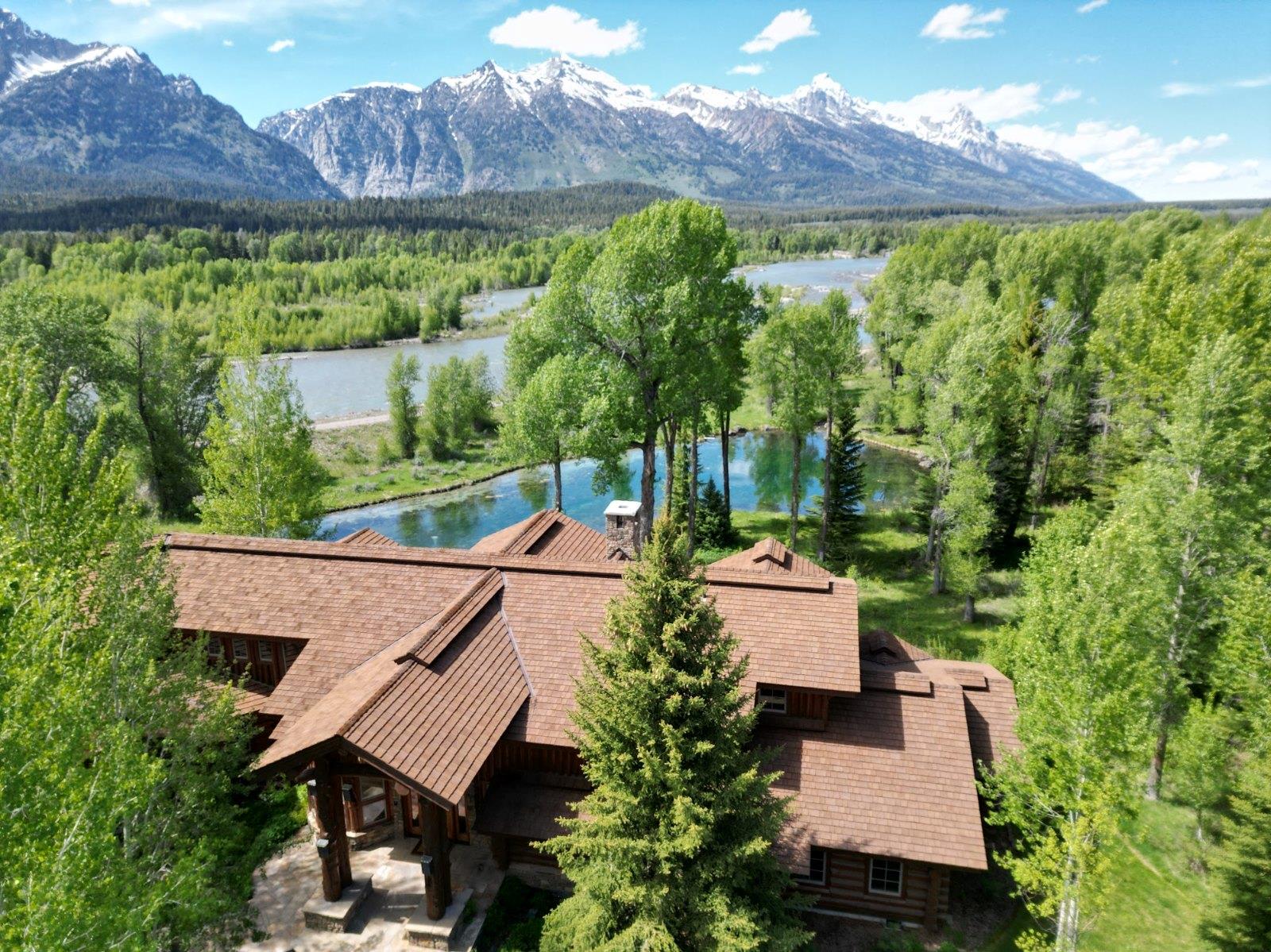
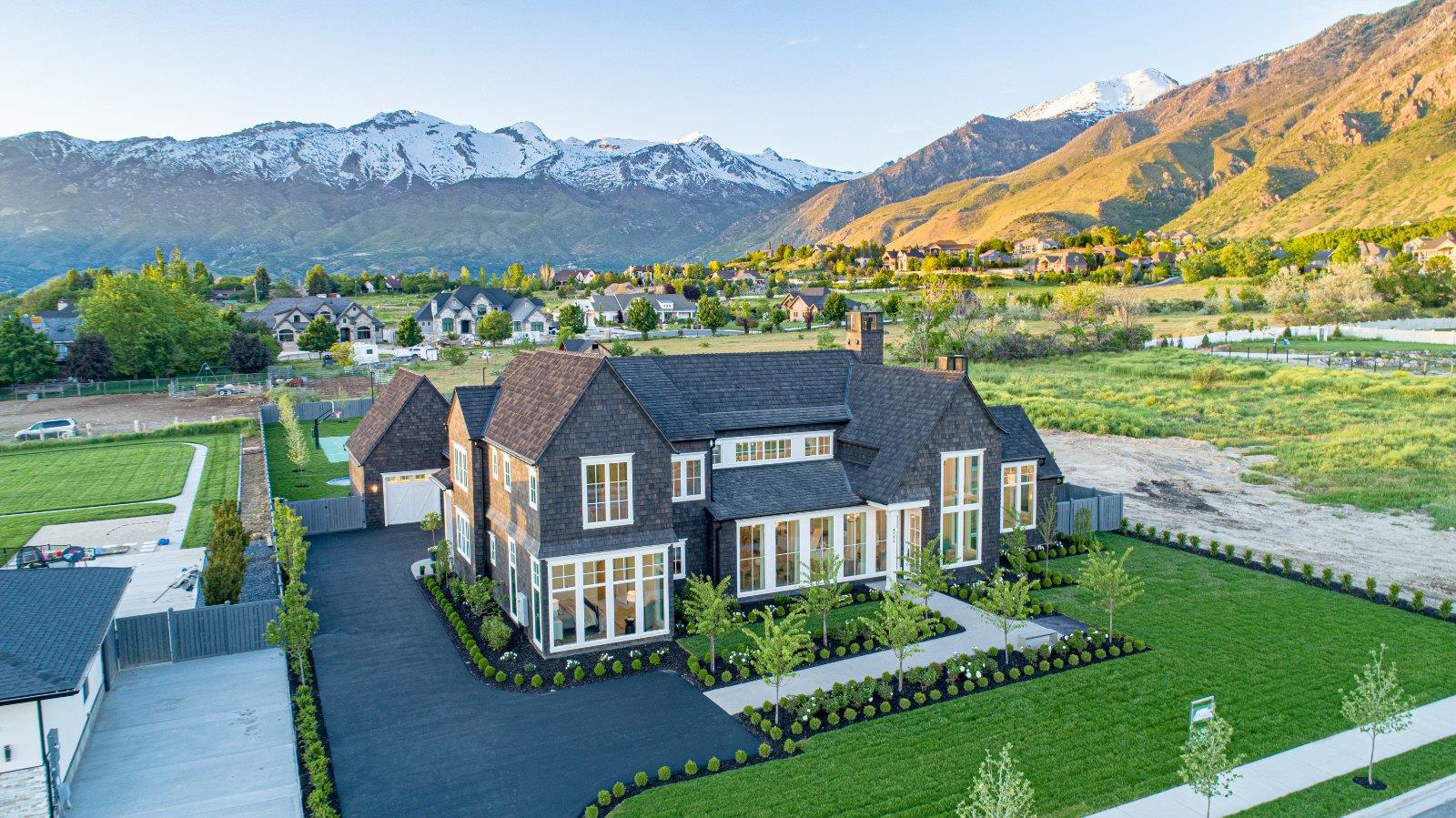
Photo Caption: Available in a variety of colors, CEDUR products carry a standalone under ASTM E108 and UL 790, meaning they achieve the highest possible fire-resistance classification without relying on underlayment or chemical additives.
Why insurance providers prefer synthetic shake
State Farm, Chubb and American Family Insurance now offer premium discounts for homes with Class A fire-rated roofing, and CEDUR customers in California and Colorado qualify immediately upon installation. A homeowner in a WUI zone paying $2,400/year for standard coverage can reduce premiums by 15–25% by switching to CEDUR - a $360–$600 annual savings that offsets roofing costs over the product's 50-year warranty.
As building codes continue to evolve, insurance providers and property owners are seeking roofing solutions that balance safety, compliance and design. Modern roof coverings like synthetic shakes provide the beauty of traditional roofing materials while supporting wildfire-resilient construction, WUI compliance, building code requirements and insurance considerations.
KEY SPECIFICATIONS AND COMPLIANCE FACTS
|
Frequently asked questions
What building codes does CEDUR synthetic shake meet?
CEDUR shakes meet or exceed the requirements of Colorado's 2025 Wildfire Resiliency Code and California's Chapter 7A WUI standards. The product is standalone Class A fire-rated and has been approved for use in strict California county building codes.
What is Zone 0 and why does it matter?
Zone 0 refers to the zero-to-five-foot ember-resistant perimeter immediately surrounding a structure. In California's updated WUI Code, Zone 0 must remain free of combustible materials, including wood mulch, firewood storage and certain vegetation. While Zone 0 governs landscaping and exterior attachments, the roof remains the most vulnerable surface area during a wildfire. Embers carried by convection currents can travel for miles, and roofs present the largest horizontal target for ignition. Class A fire-rated roofing is therefore treated as a structural hardening requirement separate from, but complementary to, Zone 0 defensible space.
Does CEDUR require special underlayment to achieve Class A?
No. CEDUR is a standalone Class A fire-rated roofing material. Unlike many competing synthetic or polymer products that rely on a fire-resistant underlayment to achieve the assembly rating, CEDUR shakes carry the rating independently.
Are wood shakes ever allowed under the new Colorado or California codes?
In most WUI and high fire-severity zones, natural cedar shakes and wood shingles are prohibited regardless of fire-retardant treatment. California explicitly bans them in WUI zones. Colorado mountain communities have enacted similar bans, and the 2025 code mandates Class A alternatives for roof replacements.
What is the difference between Class A, Class B and Class C roofing?
Class A roofing withstands severe fire test exposure and has a flame spread of no more than 6 feet. Class B withstands moderate exposure with a flame spread of no more than 8 feet. Class C withstands light exposure and cannot exceed 13 feet of flame spread. In all cases, testing cannot penetrate the roof deck to achieve a passing result. Most wildfire-prone jurisdictions now require Class A, and CEDUR is one of the few products that meet this requirement without supplemental underlayment.
Does CEDUR qualify for homeowners insurance discounts?
In many cases, yes. Because CEDUR carries both Class A fire and Class 4 impact ratings, it appears on several major insurers' premium credit product listings. Homeowners may be eligible for rate reductions when installing CEDUR in states that offer credits.
Is CEDUR suitable for historic districts or HOA communities?
Yes. Architects frequently specify CEDUR in historic restoration and HOA-governed neighborhoods where wood-shake aesthetics are required by design guidelines but natural wood is no longer permitted by fire code. CEDUR molds each shake from real cedar to replicate grain, shadow lines and weathering patterns.
ABOUT CEDUR
CEDUR is a Colorado-based manufacturer of synthetic cedar shake roofing engineered to replicate the beauty of natural wood while delivering standalone Class A fire resistance, Class 4 impact resistance and a 50-year limited warranty. Using proprietary polyurethane technology molded from real cedar, CEDUR serves architects, builders, contractors and homeowners in wildfire-prone and architecturally sensitive communities across North America. Learn more at .
Photos accompanying this announcement are available at
CONTACT: Media Contact: Jason Hyland, Marketing Director, CEDUR... 720-974-9206 Doyle Albee, Prolexity,..., 720-523-3350

Legal Disclaimer:
MENAFN provides the
information “as is” without warranty of any kind. We do not accept any
responsibility or liability for the accuracy, content, images, videos,
licenses, completeness, legality, or reliability of the information
contained in this article. If you have any complaints or copyright issues
related to this article, kindly contact the provider above.
Comments
No comment