

China Warns Against AI“Fearmongering,” Says Rivalry Threatens Global AI Governance


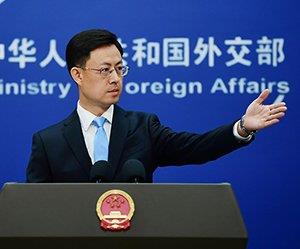
Chinese Foreign Ministry spokesman Guo Jiakun said the world needs an open, inclusive and cooperative approach to AI governance that serves“the good of all humanity,” rejecting what Beijing described as attempts to frame AI as a tool of strategic confrontation.
The comments came after Anthropic CEO Dario Amodei warned that China could surpass the United States in advanced AI development and urged Washington to tighten restrictions on exporting high-end AI chips to China. Beijing accused Amodei of promoting“fearmongering” and“malicious competition” that could derail international cooperation on AI safety and governance.
China said AI should not become an arena for ideological division or technological containment. Guo argued that exclusive blocs and geopolitical calculations would hinder innovation, particularly in developing countries, and called for countries to jointly build a fair and equitable global AI governance framework.
The exchange reflects intensifying competition between the United States and China over AI, semiconductors and emerging technologies. Washington has expanded export controls on advanced AI chips and accused several Chinese companies of improperly acquiring capabilities from leading U.S. AI models, allegations Beijing has rejected as unfounded.
Despite the escalating rhetoric, both governments have indicated they remain in communication on AI-related issues. Chinese officials have repeatedly said cooperation between the world's two largest AI powers is essential to address global safety risks while ensuring AI remains“open and inclusive” rather than dominated by strategic rivalry.
Beijing has also stepped up its own AI governance initiatives this year, promoting the World Artificial Intelligence Cooperation Organization and calling for greater international collaboration under the framework of the United Nations. Chinese leaders say AI governance should prioritize security, transparency and equitable access for developing countries.

Legal Disclaimer:
MENAFN provides the
information “as is” without warranty of any kind. We do not accept any
responsibility or liability for the accuracy, content, images, videos,
licenses, completeness, legality, or reliability of the information
contained in this article. If you have any complaints or copyright issues
related to this article, kindly contact the provider above.
Comments
No comment