

Syria Fuel Price Hikes Trigger Widest Protests Since Assad Fall


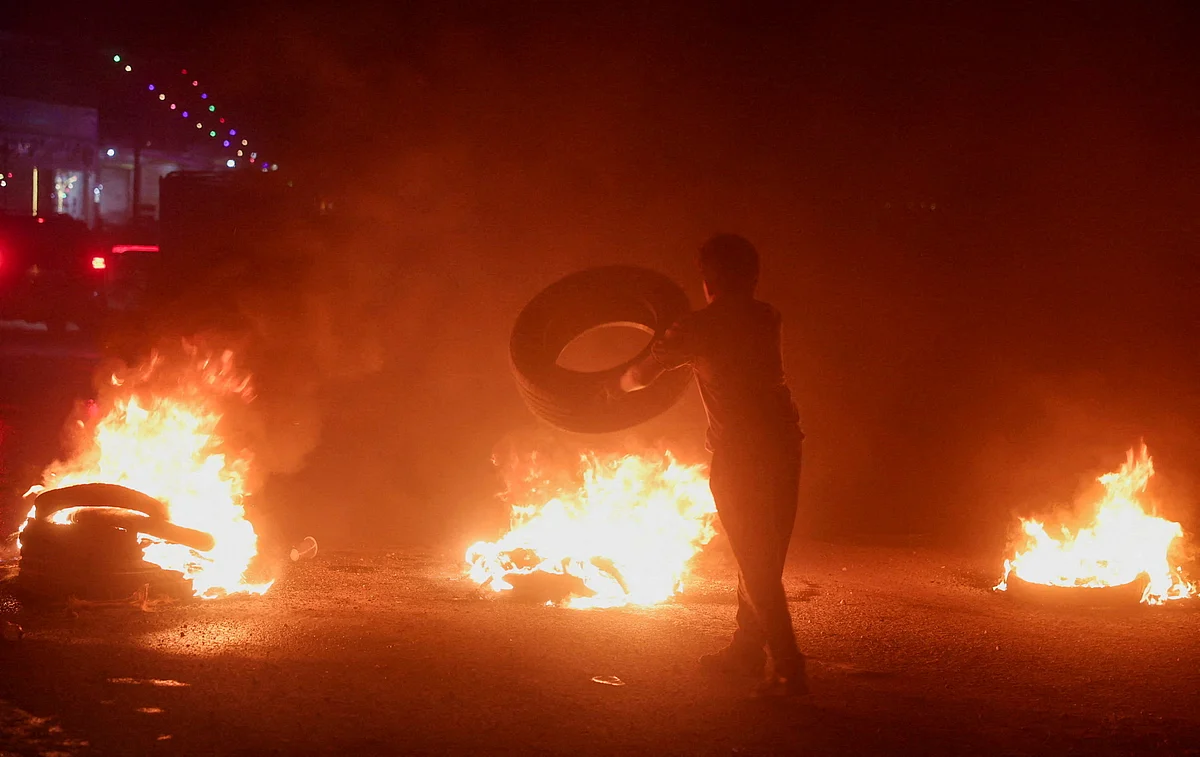
Demonstrators burned tyres and blocked key roads, including the highway linking the capital Damascus to the industrial hub of Aleppo, after Syria's government on Saturday raised diesel prices by 40 per cent to 175 Syrian pounds ($1.32) a litre.
Recommended For YouThe price increases piled further pressure on Syrians facing years of economic crisis. The United Nations Development Programme estimates 90 per cent of Syrians live below the poverty line, compared with about a third before the Syrian civil war began in 2011. In the steepest of several price hikes announced since the Iran war began, the government also raised household and industrial gas prices by about 9 per cent, 95-octane gasoline by 28 per cent to 195 pounds and 90-octane gasoline by 26 per cent to 185 pounds.
Stay up to date with the latest news. Follow KT on WhatsApp Channels.
Protesters also blocked convoys of crude tankers travelling towards refineries in central Syria, with some demanding the dismissal of the energy and economy ministers and the head of the Syrian Petroleum Company. "We don't want higher wages. All we want is lower diesel and other fuel prices," Yasser Salim told Reuters in Aleppo. Bassam Al Ali, also protesting in Aleppo, appealed directly to President Ahmed Al Sharaa saying the situation was untenable. "Border crossings bring in millions of dollars. We don't want new roundabouts or malls. We just want to live," he said.
Russian supply under pressureEnergy Ministry spokesperson Abdulhamid Salat said on Sunday that the price increases were a temporary measure driven by higher global procurement costs and Syria's heavy dependence on imports, and could be revised up or down as conditions changed.
Syria has relied heavily on Russian crude, importing around 60,000 bpd this year, although Damascus has told Washington it is willing to sharply reduce those purchases.
That supply has come under growing pressure as Ukrainian attacks on Russian refineries have reduced production, prompting Moscow to restrict exports of gasoline and diesel. Prices reflected not only crude costs but shortages of refined products and higher refining, transport and supply costs, Salat said in a statement.
The supply crunch has been compounded by the three-month closure of Syria's Baniyas refinery, the country's largest, for its first comprehensive maintenance operation. The increase means 95-octane gasoline has risen about 86 per cent since February, while diesel has more than doubled. Benchmark Brent crude rose about 44 per cent, from $72.48 to $104.61 a barrel.
Imad Abu Ras, a 44-year-old taxi driver, said passengers had already begun objecting to higher fares, adding: "Now vegetables and everything else will go up with fuel prices. What is the solution? Steal? We can't steal".
ALSO READ- Iran raises price of petrol as US applies economic pressure Etihad CEO sees break-even in 2026 amid high jet fuel costs and regional conflict

Legal Disclaimer:
MENAFN provides the
information “as is” without warranty of any kind. We do not accept any
responsibility or liability for the accuracy, content, images, videos,
licenses, completeness, legality, or reliability of the information
contained in this article. If you have any complaints or copyright issues
related to this article, kindly contact the provider above.
Comments
No comment