

US General Calls F-15E Crew Rescue In Iran One Of Military's Most Complex


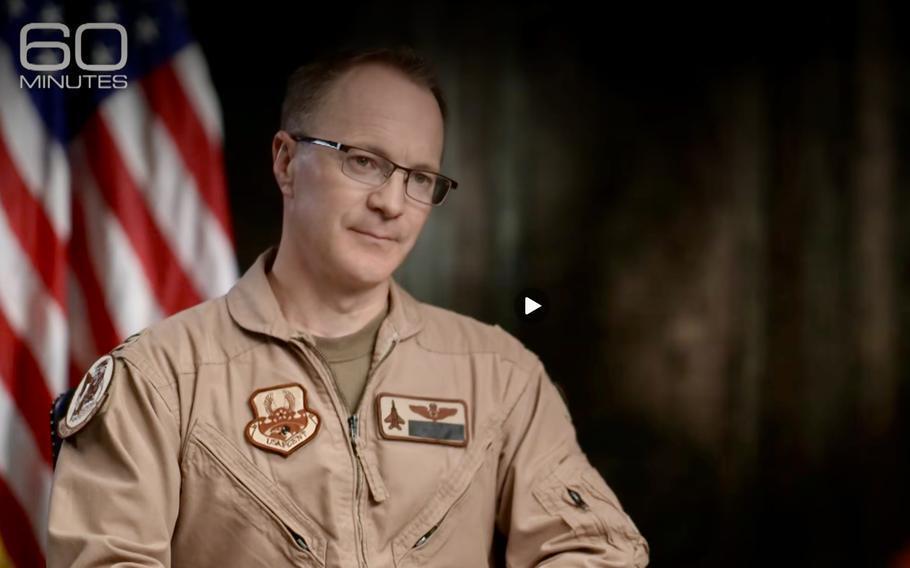
The two-person crew, identified by the call signs“Dude 44 Alpha” and“Dude 44 Bravo,” ejected after the aircraft was shot down during a combat mission over Iran on April 2. Alpha was rescued within hours, while Bravo, the aircraft's weapons systems officer, remained behind enemy lines for nearly two days before being recovered by U.S. forces. CBS News reported the details in an interview with Bravo for 60 Minutes.
Bravo described the moment the aircraft was hit as resembling“a freight train” striking the jet. He and Alpha attempted to save the aircraft but eventually ejected after determining it could not be recovered.
Alpha landed safely and was rescued first. Bravo landed several miles away in mountainous terrain and suffered injuries. His parachute was damaged during the ejection, leaving him in a dangerous descent before he reached the ground. He later moved into higher terrain to avoid Iranian forces searching for him.
According to CBS, Bravo spent almost 48 hours evading Iranian forces in the Zagros Mountains before U.S. personnel reached him. The later U.S. Air Force account confirmed that the operation involved more than 150 aircraft and scores of special operators.
The rescue began after U.S. authorities confirmed that both crew members had ejected into hostile territory. Caine said the first recovery operation was conducted in daylight and involved U.S. aircraft entering Iranian territory to locate and recover Alpha. The operation came under enemy fire, and one A-10 aircraft supporting the mission was damaged but its pilot safely returned to friendly territory.
The second phase proved considerably more difficult because Bravo remained missing. CBS reported that the United States eventually surged more than 150 aircraft into the operation, including fighter jets, bombers, refueling aircraft, rescue aircraft and intelligence and electronic-warfare platforms. Special operations forces, combat rescue personnel and medics also took part.
U.S. forces used surveillance and intelligence capabilities to narrow down Bravo's location while aircraft conducted strikes against Iranian forces in the area, according to CBS. The rescue team eventually reached him in the mountains and evacuated him using a small special-operations helicopter.
The U.S. Air Force later said the“Dude 44” operation demonstrated the importance of combat search-and-rescue training. The 150th Special Operations Wing described it as one of the most complex combat search-and-rescue missions in U.S. military history and said more than 150 aircraft and numerous special operators were mobilized.
The F-15E was the first manned U.S. aircraft confirmed by U.S. authorities to have been lost to Iranian fire during the conflict. Both crew members survived and were subsequently recovered in separate operations.
Bravo's account has provided a rare first-person description of surviving behind enemy lines during the Iran war and highlighted the scale of the U.S. military response to recover an isolated service member.

Legal Disclaimer:
MENAFN provides the
information “as is” without warranty of any kind. We do not accept any
responsibility or liability for the accuracy, content, images, videos,
licenses, completeness, legality, or reliability of the information
contained in this article. If you have any complaints or copyright issues
related to this article, kindly contact the provider above.
Comments
No comment