

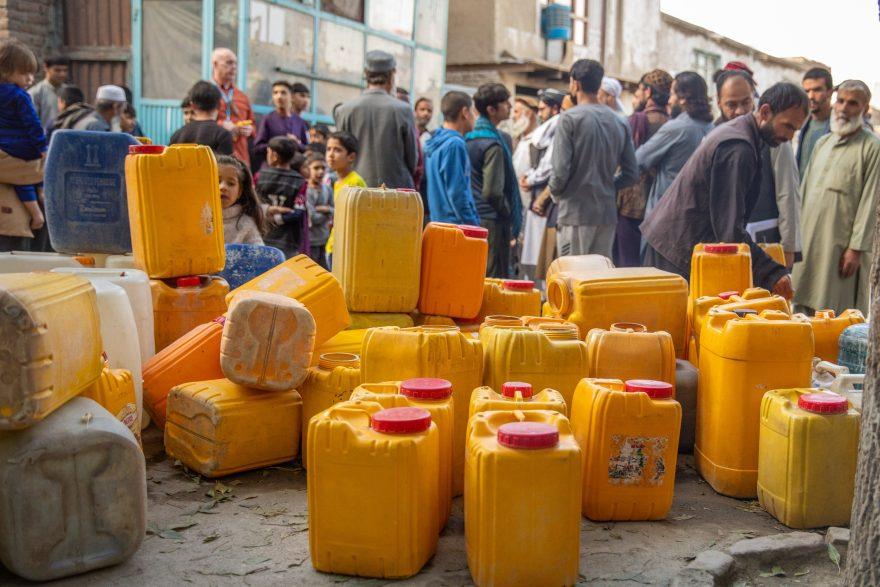
UN-Habitat Warns Millions In Afghanistan Lack Safe Drinking Water


UN-Habitat said on Sunday that Afghanistan needs smarter urban planning, better water-resource management and improved waste management to protect water supplies, strengthen sanitation and build healthier communities.
The warning comes as Afghanistan faces overlapping climate and humanitarian pressures. Years of drought have depleted groundwater, while recurrent floods and other climate-related disasters continue to damage livelihoods and infrastructure. UN reporting has described domestic water supplies as facing critical challenges from climate change and rising demand, with about one-third of the population lacking basic drinking-water services.
Kabul faces a particularly serious water crisis. UN-Habitat's 2026–27 strategic priorities report says the capital is at risk of depleting its groundwater reserves by 2030. The agency also says inadequate waste and wastewater management is creating serious health risks by increasing the likelihood of water- and vector-borne diseases.
UN-Habitat has also warned that drought and underinvestment in urban water management are making access to clean water increasingly difficult and expensive. Its Afghanistan programme says recurrent droughts have degraded rural livelihoods and contributed to migration toward cities, where many vulnerable families live in informal and underserviced settlements.
The pressure on water supplies is also being intensified by large-scale returns of Afghans from neighbouring countries. UN-Habitat says millions of returnees since late 2023 are placing additional pressure on already fragile urban and peri-urban settlements, where access to housing, water, sanitation and other basic services remains limited.
Poor sanitation and inadequate waste management further threaten already limited water resources. UN-Habitat has identified clean drinking water, waste collection and sanitation as pressing needs in vulnerable Afghan communities, particularly in rapidly growing urban areas.
The UN agency says improving access to basic services, including water and waste management, should remain a priority as Afghanistan seeks to strengthen climate resilience and improve living conditions. Without greater investment in water infrastructure and sustainable resource management, the country's water crisis is likely to deepen as climate pressures and urban populations continue to grow.

Legal Disclaimer:
MENAFN provides the
information “as is” without warranty of any kind. We do not accept any
responsibility or liability for the accuracy, content, images, videos,
licenses, completeness, legality, or reliability of the information
contained in this article. If you have any complaints or copyright issues
related to this article, kindly contact the provider above.
Comments
No comment