

Saudi-Houthis Clash: Traders Expect Riyadh To Run Out Of Oil Stocks Soon If Work On East-West Pipeline Doesn't Resume


According to a Reuters report, failure to resume the pipeline could result in a loss of up to four per cent of global oil supply. A deeper reduction in Saudi oil flows could intensify the global supply shortage, which has already driven fuel prices to record levels, fuelled inflation worldwide and pushed US bond yields to their highest point since the 2008 financial crisis.
Also Read | US-Iran war LIVE: Oil jumps more than 3% after Houthis launch fresh strikesCurrently, the kingdom's crude inventories at the Red Sea port of Yanbu are enough to sustain exports for roughly five to seven days, Reuters reported, citing industry sources. Further, if the pipeline remains shut, those reserves could eventually be depleted.
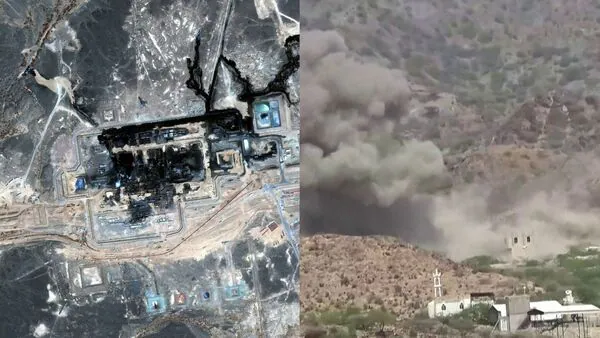
Saudi Arabia shuts East-West pipeline amid attacksAfter Iran-backed Houthis escalated drone attacks on Saudi Arabia, the kingdom was forced to shut its massive East-West oil pipeline on 11 September. While Riyadh did not reveal full details about the extent of the damage or how long the route would remain offline, sources told Reuters that repairs could take at least five to six weeks. Another source noted that the pipeline could be fixed sooner and that partial pumping could resume as repair work continues.
For the past six months, the desert-crossing pipeline across the Arabian Peninsula has helped shield Saudi Arabia from the worst effects of the wartime closure of the Strait of Hormuz, which has severely disrupted exports from neighbouring countries.
Also Read | The Saudi Arabia pipeline attacks just redefined Middle East oil riskThe kingdom, which is also the world's biggest oil exporter, has used the East-West pipeline to reroute roughly four million barrels per day (bpd), or around four per cent of global supply, to the Red Sea port of Yanbu. However, with the pipeline out of service, the port has stocks for only five to seven days.
Saudi Arabia also has enough crude stored at Egypt's Ain Sukhna port on the Red Sea and Sidi Kerir port on the Mediterranean to continue supplying customers for several days.
Saudi's crude stocks offer temporary reliefAccording to industry estimates, Saudi's crude storage capacity at Yanbu port is currently around 35 million barrels, while Ain Sukhna has a capacity of 18 million barrels and Sidi Kerir has a capacity of 20 million barrels. The report stated that these stocks are not at full capacity and will eventually run out without the crucial pipeline resuming operations.
Saudi's oil supply declinesIn August, Riyadh's oil output declined to its lowest level in more than three decades, as reduced flows through the Strait of Hormuz and the Red Sea weighed on supplies, the International Energy Agency (IEA) said on 11 September. The agency, which is responsible for coordinating energy policies among Western countries, expects global oil supply to decline by 5.7 million barrels per day, or roughly six per cent, this year.
Meanwhile, Houthi fighters in Yemen, who have threatened Saudi oil shipments, seized an island at the entrance to the Red Sea on 11 September, adding to concerns over regional supply disruptions.
Before the war, the Middle East region supplied 22 million bpd of oil. Citing sources, the report added that oil flows through the Strait of Hormuz, a key waterway that has been effectively shut since the beginning of the US-Iran war in late February, have slowed to between six million and nine million bpd.
Also Read | Saudi Arabian oil pipeline system struck by projectiles, says reportLast week, Saudi Arabia informed the Organization of the Petroleum Exporting Countries (OPEC) that its oil production had fallen to 6.2 million bpd in August, compared with 10.9 million bpd in February, before the US and Israel launched a joint operation against Iran.
If Saudi Arabia fails to resume exports soon due to the pipeline's prolonged shutdown, the move could further pressure global oil supplies, leaving markets vulnerable to additional price pressures.
(with agency inputs)

Legal Disclaimer:
MENAFN provides the
information “as is” without warranty of any kind. We do not accept any
responsibility or liability for the accuracy, content, images, videos,
licenses, completeness, legality, or reliability of the information
contained in this article. If you have any complaints or copyright issues
related to this article, kindly contact the provider above.
Comments
No comment