

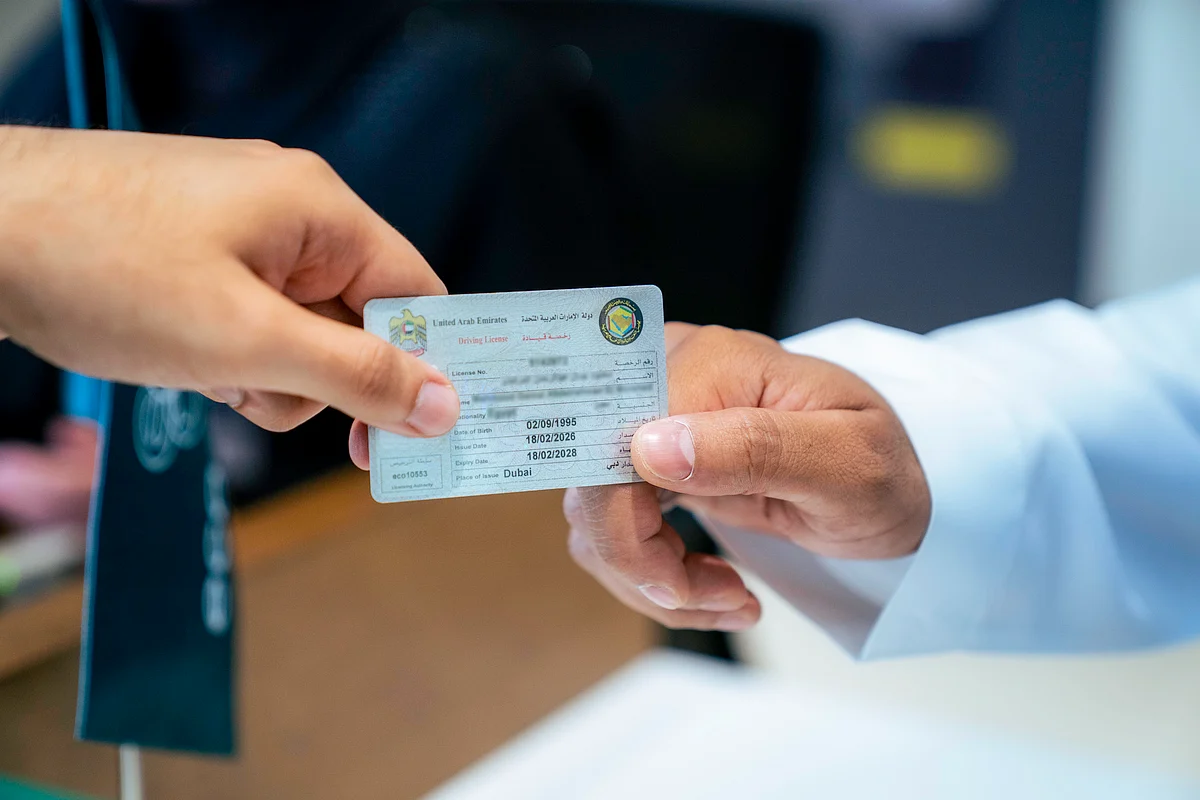
RTA Issues 119,188 Dubai Driving Licences In First Half Of 2026 Amid AI Training Use


- By: Nandini Sircar
Dubai issued nearly 120,000 driving licences in the first half of 2026, as the emirate continued to see strong demand for licensing services amid population growth and rising economic activity.
The Roads and Transport Authority (RTA) issued 119,188 driving licences between January and June, including 96,400 new licences and 22,788 licences exchanged from countries recognised for direct exchange with a UAE driving licence.
Recommended For YouFor learners, however, getting behind the wheel is increasingly about more than simply passing a test. RTA is expanding the use of smart technologies, artificial intelligence and advanced simulators across the driver-training journey, with a greater focus on preparing motorists to deal with real-world road conditions.
Stay up to date with the latest news. Follow KT on WhatsApp Channels.
The authority said its training system is designed to build both driving competence and awareness, while supporting Dubai's wider road-safety goals.
Defensive driving, smart technology take centre stageRTA regularly updates the theoretical and practical programmes used by driving institutes, aligning them with international practices and road-safety standards.
A key focus is defensive and preventive driving, with learners trained to anticipate hazards and respond to sudden changes rather than simply mastering vehicle controls.
This approach is being reinforced through technology. Learners can use advanced simulators that recreate situations such as rain, fog and emergencies, allowing them to practice responses in controlled environments before encountering similar conditions on Dubai roads.
Technology is also being used during testing. RTA said its smart testing system at testing yards uses artificial intelligence, cameras and smart sensors to assess learner performance against standardised criteria.
The aim is to make assessments more accurate, objective and transparent while ensuring that drivers are adequately prepared before receiving their licences.
Road-safety education remains a mandatory part of the process. Learners are taught Dubai's traffic laws and regulations, including the importance of speed limits, safe following distances and respecting pedestrian rights.
Particular attention is also given to distraction behind the wheel, including the risks associated with mobile phone use.
Learners receive training on lane discipline, traffic signals and road signs, helping them navigate Dubai's increasingly busy road network with greater confidence.
From opening a traffic file to final road testThe licensing process brings together several stages, beginning with opening a traffic file and completing an eye test.
Learners then move through theory lessons and the knowledge test before undertaking practical training. This covers essential driving skills, defensive driving and emergency manoeuvres, followed by internal assessments and parking tests.
The final stage is RTA's road test, which determines whether the learner is ready to obtain a Dubai driving licence.
RTA is also placing greater emphasis on the people delivering that training. Accredited driving instructors undergo qualification programmes and periodic assessments to ensure they remain competent and able to communicate road-safety principles using modern teaching methods.
The authority also recognises high-performing instructors and driving institutes based on results in knowledge, Smart Yard and road tests, as well as customer satisfaction.
The recognition programme, conducted with partners including Dubai Police General Headquarters and driving institutes, is intended to encourage competition and raise training standards across the sector.
ALSO READ- Dubai gets 100 more driving licence eye-test centres, checks completed in 10 minutes Driving lessons in Dubai to be monitored by AI-powered smart cameras, says RTA Dubai RTA updates driving licence tests to cover advanced car safety systems

Legal Disclaimer:
MENAFN provides the
information “as is” without warranty of any kind. We do not accept any
responsibility or liability for the accuracy, content, images, videos,
licenses, completeness, legality, or reliability of the information
contained in this article. If you have any complaints or copyright issues
related to this article, kindly contact the provider above.
Comments
No comment