

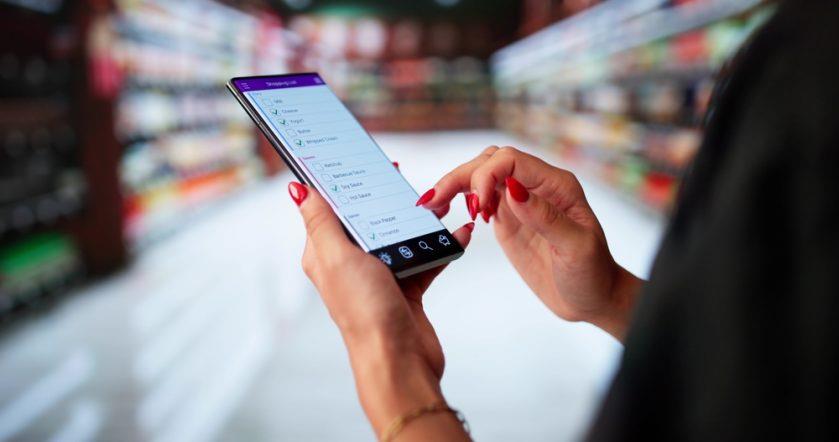
How Predictive Grocery Apps Are Reshaping What We Buy


Walking down the supermarket aisle used to mean relying on a handwritten paper list, a wandering cart, and personal willpower to navigate shelves designed to tempt your impulses. Today, that physical navigation is increasingly guided, anticipated, and altered by invisible digital systems living right inside your smartphone. Predictive grocery apps have evolved far beyond basic digital shopping lists or simple store locators into sophisticated artificial intelligence engines. These applications track your past purchases, scan your household inventory habits, monitor local weather patterns, and analyze real-time nutritional data to curate what you buy next.
This digital evolution shifts the power dynamic of grocery shopping from conscious human choice to algorithmic suggestion. Understanding how predictive apps work reveals the hidden forces quietly rewriting your weekly meal plan and grocery receipt.
How Predictive Algorithms Learn Your Household HabitsThe foundation of any predictive grocery application lies in massive data collection and machine learning models that map your household routines. Every time you scan a loyalty card, reorder a pantry staple, or accept an app-generated substitution, you feed the algorithm valuable behavioral data. Over time, the software learns your precise consumption cycles, identifying exactly how many days it takes your family to finish a gallon of milk or a box of cereal.
When the app detects that your supply is running low, it pushes a timely notification or automatically adds the item to your upcoming delivery cart before you even realize you need it. This seamless convenience eliminates the annoyance of running out of essentials, but it also creates an environment where purchasing decisions happen on autopilot. The algorithm effectively removes friction from spending, making it far easier to accumulate items without mindful consideration.
The Psychological Impact of Algorithmic ConvenienceConvenience is the ultimate currency in modern retail, and predictive grocery apps leverage that desire to reshape consumer loyalty. When an application accurately predicts your cravings or anticipates your weekend meal prep needs, you develop a deep sense of trust in its recommendations. However, this psychological reliance can subtly narrow your dietary variety over time.
If an algorithm consistently suggests the same rotation of safe, frequently purchased items based on your history, you encounter fewer serendipitous discoveries in the physical or digital store. The app optimizes for efficiency and familiarity rather than culinary exploration, gently steering you away from new ingredients or competing brands. Recognizing this subtle homogenization helps you maintain intentional control over your diet instead of letting software dictate your menu.
Dynamic Pricing and Personalized Supermarket PromptsPredictive grocery apps do not just organize your shopping list; they actively interface with dynamic pricing engines and brand sponsorship programs. If an algorithm knows you typically purchase a specific brand of olive oil on Thursdays, it can time promotional discounts or targeted banner ads to lock in your purchase before you consider a cheaper alternative. Retailers and consumer packaged goods companies pay handsomely for algorithmic placement within predictive apps, ensuring their products appear at the exact psychological moment of need.
This hyper-targeted marketing makes digital grocery suggestions feel remarkably helpful while quietly serving corporate profit margins. Your shopping cart becomes the intersection of your personal habits and sophisticated retail monetization strategies.
The Influence of Environmental and Seasonal Data StreamsModern predictive grocery platforms look far beyond individual purchase history to anticipate what you will want to buy next. These software suites ingest external data streams, including local weather forecasts, regional pollen counts, seasonal holiday schedules, and even local traffic patterns. If a sudden heatwave hits your town on a Tuesday afternoon, the predictive app instantly adjusts its homepage recommendations to feature grilling supplies, chilled beverages, and fresh produce.
By tying your shopping lists to environmental variables, algorithms create a hyper-responsive retail experience that feels almost telepathic. While this level of personalization saves mental energy during hectic weeks, it also capitalizes on weather-driven impulses that you might not have acted on otherwise.
Subscription Models and Automated Inventory Lock-InAnother powerful mechanism driving the predictive grocery boom is the integration of subscription services and automated replenishment models. Many grocery platforms encourage households to sign up for recurring delivery schedules for pantry basics, household cleaners, and pet food in exchange for minor discounts. Once an item is locked into an automated subscription loop, consumer friction drops to absolute zero, meaning shoppers rarely evaluate whether the price or brand remains the best available option.
This subscription lock-in secures predictable revenue streams for retailers while shielding their products from everyday market competition. Over time, your pantry becomes populated by goods chosen by algorithms rather than deliberate, cost-conscious human selection.
Reclaiming Intentional Control in the Age of AlgorithmsNavigating a retail landscape dominated by predictive technology requires a conscious effort to separate genuine personal preference from algorithmic suggestion. While these apps offer undeniable time-saving benefits for busy households, relying on them exclusively strips away the mindful spontaneity of grocery shopping. Taking a moment to review your digital cart, question automated additions, and actively seek out new ingredients restores balance to your routine.
By staying aware of how predictive software monitors your behavior, you can enjoy the efficiency of digital planning without letting algorithms control your kitchen. Taking back control over your grocery cart ensures that your weekly meals reflect your distinct culinary choices rather than automated software suggestions.
What steps do you take to ensure your grocery list reflects your own choices rather than app suggestions?
What To Read Next7 Free Samples and Freebies Hiding in Your Grocery App
8 Tips for Using Digital Coupons at Dollar General
Best Grocery Store Apps for Digital-Only Coupons and Deals
10 Savvy Ways to Use Rebate Apps for Extra Grocery Cash Back
12 Grocery Delivery Tricks That Let You Use Coupons Online

Legal Disclaimer:
MENAFN provides the
information “as is” without warranty of any kind. We do not accept any
responsibility or liability for the accuracy, content, images, videos,
licenses, completeness, legality, or reliability of the information
contained in this article. If you have any complaints or copyright issues
related to this article, kindly contact the provider above.
Comments
No comment