

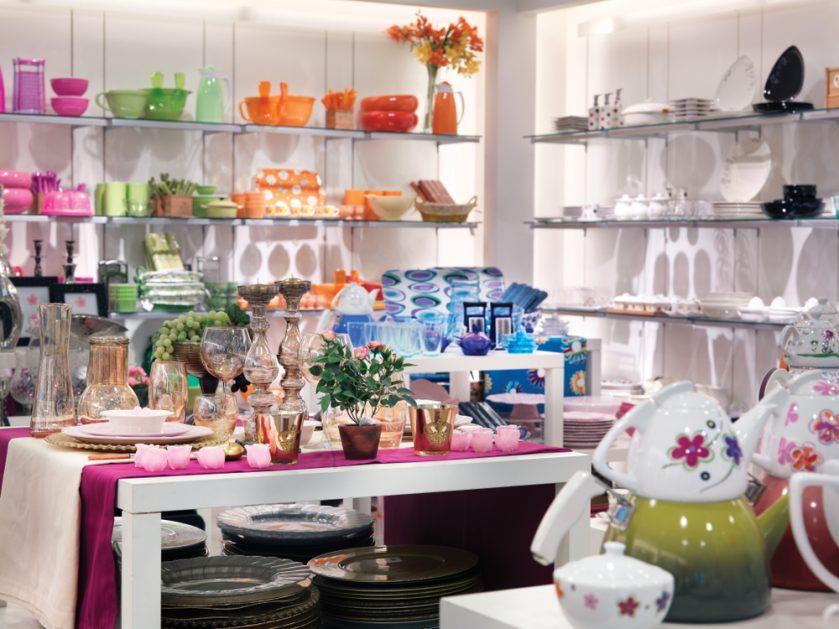
Kitchen Couture: Why High-End Cookware And Specialty Utensils Have Become Grocery Check-Out Staples


For decades, checking out at the local supermarket meant navigating a predictable gauntlet of impulse buys. Racks of glossy tabloid magazines, plastic displays of standard candy bars, packs of chewing gum, and chilled bottles of soda competed for your attention during the final minutes of a shopping trip. These low-ticket items were engineered to extract spare change from tired consumers standing in slow-moving lines.
Today, that familiar checkout topography is undergoing a striking visual and economic transformation. Gleaming matte-finish micro-graters, copper-accented measuring spoons, silicone spatulas in earthy designer hues, and heavy-duty carbon steel mini skillets now occupy prime retail space right alongside organic checkout mints. This phenomenon, often dubbed kitchen couture, reflects a massive cultural shift in how everyday shoppers view cooking, home aesthetics, and culinary self-expression. Supermarkets have recognized that the modern consumer treats food preparation not as a chore, but as a lifestyle hobby worthy of premium tools.
The Cultural Shift Toward Aesthetic Home CookingThe rapid integration of high-end cookware and specialty utensils into grocery aisles stems directly from changing consumer habits and the pervasive influence of social media. As platforms like Instagram and TikTok turned everyday home cooking into a performance art, home chefs began demanding tools that matched the visual standard of their digital feeds. A ceramic-coated saucepan or an artisanal wooden citrus reamer is no longer hidden away inside a dark kitchen cabinet; these items remain proudly displayed on stovetops and open kitchen shelving.
Supermarket executives and retail merchandisers quickly capitalized on this design-conscious mindset. By curating upscale kitchen gadgets near checkout lines and primary endcaps, grocers capture the attention of shoppers who view a high-end vegetable peeler or specialized pastry brush as an affordable luxury that elevates their daily routine.
Leveraging Impulse Psychology Through Premium DesignMerchandising high-end kitchenware near the checkout lane relies on a sophisticated evolution of traditional retail psychology. Historically, checkout impulse items were inexpensive, consumable treats purchased without deliberation. Kitchen couture items introduce a new category of durable impulse purchases that appeal to a consumer's desire for utility and aesthetic improvement.
When a shopper spends forty-five minutes selecting fresh ingredients for a gourmet weekend meal, encountering a display of sleek, professional-grade micro-planes or silicone basting brushes triggers an immediate psychological association. The tool promises to make the upcoming cooking experience smoother, more professional, and more visually satisfying. Because these items command a higher price point than candy bars while remaining far cheaper than major appliances, they offer an accessible taste of culinary luxury that shoppers easily justify adding to their cart.
The Strategic Expansion of Non-Food Retail RevenueFor supermarket chains operating under notoriously thin profit margins on fresh produce and packaged goods, expanding non-food inventory categories provides a vital financial cushion. Traditional grocery items face intense price competition from discount chains and e-commerce giants, forcing stores to look elsewhere for growth. High-end kitchen tools and specialty utensils carry significantly higher profit margins than standard grocery staples, making every square foot of checkout-adjacent display space exceptionally valuable.
By partnering with trendy houseware brands or developing private-label designer cookware collections, grocers transform routine grocery runs into lucrative cross-shopping opportunities. A consumer who entered the store solely to buy milk and eggs leaves with a gourmet truffle oil, a specialty herb stripper, and a stylish stainless steel whisk.
Material Innovation and the Demand for Clean ToolsThe explosion of kitchen couture in grocery stores is also driven by shifting consumer demands regarding material safety, sustainability, and durability. Modern shoppers scrutinize the tools that touch their food just as closely as the ingredients listed on packaging. Traditional plastic utensils and cheap non-stick coatings prone to flaking have fallen out of favor, replaced by high-grade silicone, sustainable bamboo, recycled stainless steel, and cast iron.
When grocery checkout displays feature BPA-free, non-toxic, and eco-friendly kitchenware, they signal to health-conscious consumers that the retailer understands their lifestyle values. Offering durable, aesthetically pleasing tools establishes trust and encourages shoppers to consolidate their retail errands into a single, convenient stop.
Redefining the Boundaries of Food RetailThe presence of designer cookware and professional-grade utensils in the checkout aisle demonstrates how radically the grocery landscape has evolved to match modern consumer desires. Supermarkets are no longer mere warehouses for raw ingredients; they are cultural hubs that celebrate the entire culinary experience from farm to table.
As retail designers continue blurring the lines between home decor, kitchen gadgets, and daily grocery shopping, the checkout lane will remain a dynamic showcase for accessible luxury. Embracing this trend allows shoppers to bring a touch of professional style into their home kitchens while helping grocery operators boost their bottom line.
What is the most unexpected specialty kitchen tool or gadget you have ever impulse-bought while waiting in a supermarket checkout line?
What To Read NextEthical Couponing: Supporting Sustainable Brands on a Budget
Pour Creamer Until the Coffee Changes Color? You May Be Getting More Sugar Than You Think
Feeding 10 People This Weekend? Here's Where Cookout Costs Get Out of Control
Grocery Chains Investing in Sustainability Programs That Affect Prices
7 Reusable Products That Aren't As Sustainable As You Think

Legal Disclaimer:
MENAFN provides the
information “as is” without warranty of any kind. We do not accept any
responsibility or liability for the accuracy, content, images, videos,
licenses, completeness, legality, or reliability of the information
contained in this article. If you have any complaints or copyright issues
related to this article, kindly contact the provider above.
Comments
No comment