

Would You Buy An Ugly House To Save $75,000? Buyers May Have More Leverage Than They Think


A house with dated carpet, questionable paint choices, an overgrown yard, and a kitchen that looks trapped in another decade may not exactly scream“dream home.” But if that ugly house costs $75,000 less than a polished property nearby, suddenly those avocado-green cabinets start looking a little more interesting.
That does not mean every bargain house deserves a buyer's attention. A home can look terrible and still have solid bones, while another can look charming and hide a roof, foundation, plumbing, or electrical problem that turns the bargain into a financial headache. The opportunity comes from figuring out which kind of ugly sits behind the front door.
Ugly Can Be a Negotiating AdvantageSome buyers want a home that looks perfect the moment they walk through the door, and sellers often know that presentation matters. A property with peeling paint, old fixtures, worn flooring, or a kitchen that needs a serious facelift can scare away buyers who do not want a project. That hesitation can give a determined buyer something valuable: room to negotiate. Current real estate guidance recognizes that buyers can use inspection findings and other contract terms as negotiation points, depending on the purchase agreement and local market.
Picture two houses on the same block, with similar layouts and comparable locations, but one looks like it received its last decorating advice from a time capsule. A buyer who can tolerate cosmetic work may have an opportunity that disappears once the seller finds someone willing to overlook the ugly parts without asking for much in return. The important distinction involves knowing whether the problem requires paint and patience or tens of thousands of dollars and a contractor with a very large invoice.
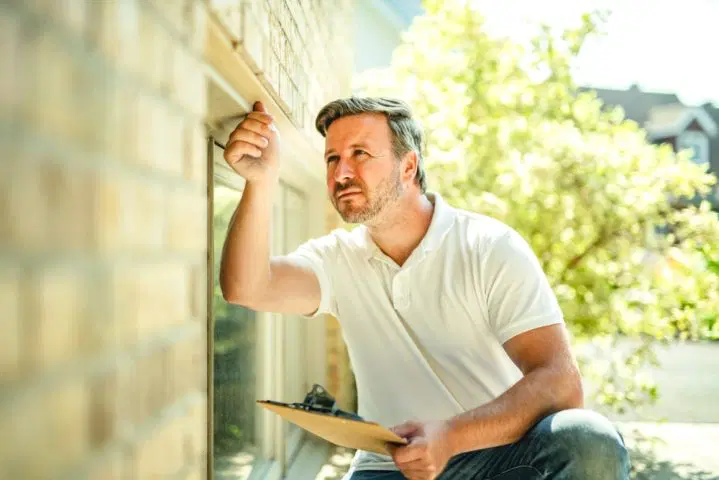
The Inspection Can Change the ConversationAn inspection can turn vague buyer anxiety into a much clearer negotiating conversation. Instead of saying a house“feels like it needs work,” the buyer can point to specific issues that deserve attention, such as a failing roof, damaged electrical components, plumbing problems, or other significant defects. The CFPB recommends getting an independent inspection quickly so buyers have time to investigate problems and decide whether they still want the property.
That report does not automatically give a buyer permission to demand a complete makeover, though, and sellers do not have to agree to every request. A buyer might ask for a repair, a price reduction, or a seller credit, depending on the circumstances and contract terms. Seller concessions can cover certain purchase-related costs, including some repairs and closing expenses, but the lender and applicable rules can limit what the seller can contribute.
A Lower Price Is Not the Only Way to WinSuppose the seller refuses to knock $75,000 off the asking price but agrees to address significant repairs or contribute toward eligible closing costs. That could still change the financial picture, particularly for a buyer who needs to preserve cash for immediate work after moving in. A seller concession can reduce upfront expenses, although it does not magically make the underlying repair disappear.
Buyers also need to watch the difference between a genuine savings opportunity and a financing trick wearing a party hat. If a seller covers closing costs in exchange for a higher purchase price, the buyer may still carry those costs through the mortgage, and the property must still support the agreed price when the lender evaluates the appraisal.
The Appraisal Could Give Buyers Another Bargaining ChipAn appraisal can create another opportunity when the agreed purchase price exceeds the appraised value. Lenders generally base financing on the property's appraised value, so a disappointing appraisal can force the buyer and seller back into negotiations. The CFPB specifically notes that a lower appraisal can provide evidence for asking the seller to reduce the sales price.
That matters even more with an ugly house because cosmetic problems can make comparable properties trickier to evaluate. A buyer should not assume a low appraisal will automatically produce a huge discount, but the result can give the negotiation more substance than simply saying,“This place is hideous.” If the seller refuses to adjust the deal, the buyer may need to decide whether paying the difference makes financial sense or whether walking away fits the contract terms better.
The Best Bargain May Still Require a BudgetThe biggest mistake involves treating the purchase price as the entire cost of the house. A $75,000 discount sounds fantastic until the buyer discovers that the roof needs replacement, the electrical system needs work, the HVAC system has reached the end of its useful life, and the bathroom renovation somehow costs more than the family car. Those expenses can arrive quickly after closing, when the excitement of getting the bargain has worn off and the toolbox suddenly becomes a financial planning device.
A smarter buyer creates a repair budget before making an offer and separates cosmetic projects from problems that affect safety, structure, financing, or insurability. Paint can wait, ugly cabinets can wait, and questionable wallpaper can wait while the buyer figures out whether the major systems make financial sense. The prettiest house on the block does not automatically make the best purchase, and the ugliest one does not automatically make the best bargain either.
Sometimes the Ugly House Deserves a Second LookThe real opportunity appears when a house looks worse than it actually is. Buyers who can see past dated finishes may face less competition and gain more room to negotiate, particularly when the property needs legitimate work and the seller wants to reach a deal. Current market guidance also points to growing opportunities for buyers to negotiate on price and incentives in some markets, although conditions vary considerably by location and property.
That makes an ugly house worth investigating, not blindly buying. Get the inspection, study the likely repair costs, check the appraisal and financing implications, and make sure the contract provides the protections the buyer needs. A bargain should leave enough financial breathing room to enjoy the house after the last contractor packs up, rather than creating a second mortgage made entirely of regret.
Would you consider buying an ugly house if the price were $75,000 lower, or would the renovation headache send you running for the nearest move-in-ready listing?

Legal Disclaimer:
MENAFN provides the
information “as is” without warranty of any kind. We do not accept any
responsibility or liability for the accuracy, content, images, videos,
licenses, completeness, legality, or reliability of the information
contained in this article. If you have any complaints or copyright issues
related to this article, kindly contact the provider above.
Comments
No comment