

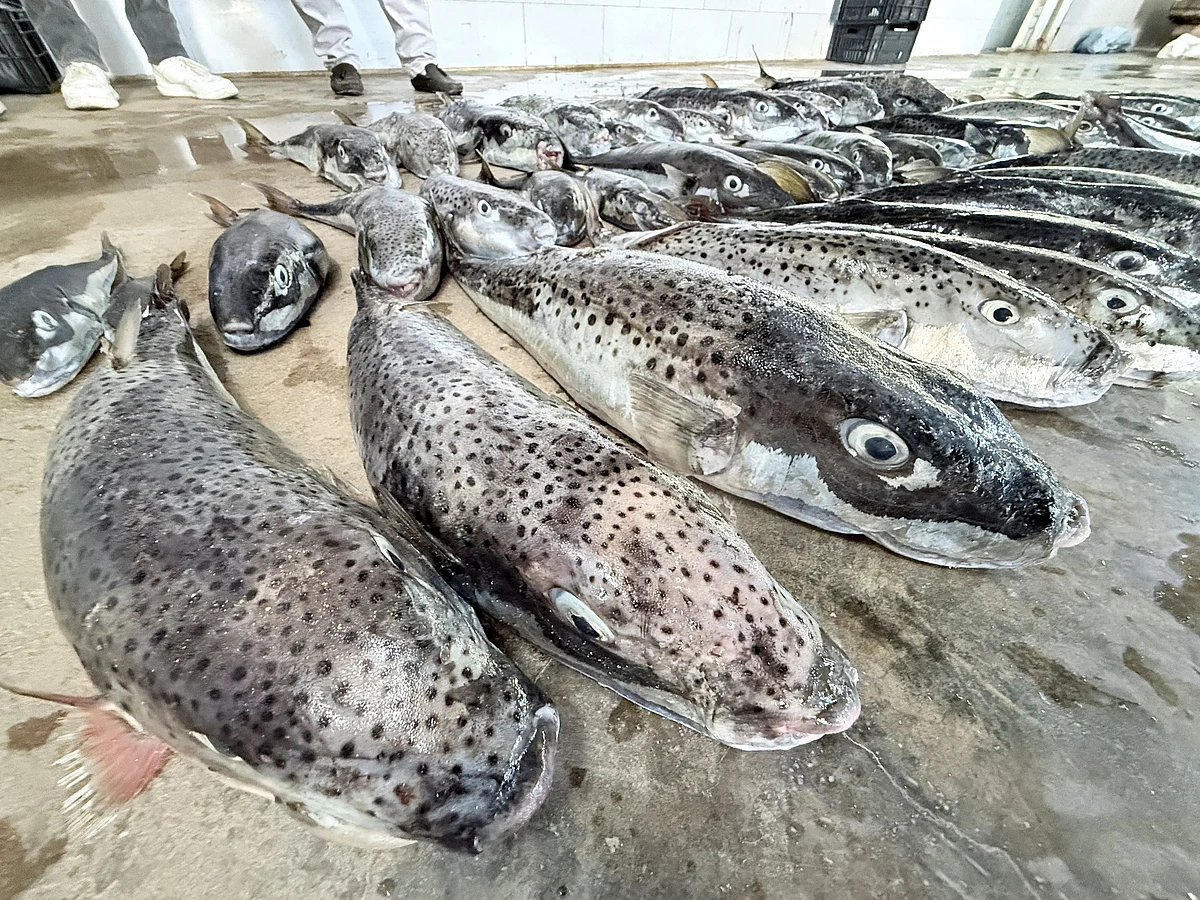
Oman Warns Against Eating, Buying 12 Toxic Pufferfish Species


On Sunday, the Food Safety and Quality Centre revealed certain types of the fish contain potent toxins such as tetrodotoxin, which can cause severe symptoms ranging from paralysis and difficulty breathing to death.
Recommended For YouConsumers have been alerted of the different types of harmful fishes and have been urged to avoid buying, trading, or consuming them. Cooking or freezing does not remove their toxins or make them safe, the authority stated.
Stay up to date with the latest news. Follow KT on WhatsApp Channels.
Here are the specific species that contain toxins:
- Arothron hispidus
Arothron nigropunctatus
Canthigaster valentiniArothron immaculatus
Chelonodon patocaDiodon liturosus
ArothronLagocephalus lunaris
Diodon hystrixArothron meleagris
Lagocephalus sceleratusDiodon holocanthus
Consuming the fishes cann cause serious symptoms such as numbness, nausea and vomiting, muscle weakness, paralysis and difficulty breathing.
The authority warned residents to choose fishes that are known to be safe and purchase them from reliable sources, while following regulations and official instructions.
Other safety and seasonal restrictionsRed tide areas: Authorities warn against eating any fish or shellfish harvested from beaches affected by red tide algal blooms, which cause severe neurological poisoning.
Improperly stored fish: Omani health authorities advise against eating fish that has not been properly chilled, which causes heat-resistant scombroid histamine poisoning.
Seasonal fishing bans: Oman enforces temporary seasonal bans on catching and trading specific commercial fish like kingfish (Kanad) during their breeding seasons to protect marine resources.
Fishing for shrimp: Fishing for shrimps is only permitted from September 1 to November 30 and is banned during the rest of the year (December 1 through August 31).
Fishing restrictions due to oil spillRecently, Oman began testing fish products in the market and warned fishermen and consumers to avoid fishes near affected areas after an oil spill occurred due to a vessel running aground.
Authorities intensified precautionary measures, which included monitoring fish landing sites, processing plants and fish markets, tracking landing movements and the sources of catches, collecting samples and testing them.
They also formed technical teams to monitor shorelines and landing sites in the governorates along the Arabian Sea.
On August 6, the transport ministry had revealed the sinking of an oil tanker near Oman's Al-Qibliyyah Island, part of the Al Hallaniyat Islands archipelago in Dhofar. The grounding and oil spill threaten the island's rich marine life and natural ecosystem, with efforts underway to protect the environment and ensure safe navigation.
Few days later, it confirmed there was an oil spill and authorities were working on managing it in order to avoid environmental and public safety damage.
Initially, it began by spreading northeast of the Hallaniyat Islands towards the mainland coast, moving along the same path, with its observed extension reaching about 449 km.
Efforts are underway to conduct and execute monitoring, survey, and environmental handling operations, using technical monitoring means, satellite imagery, and numerical models to track the movement and spread of oil slicks and predict their potential landing sites.
Special focus has been given to areas prone to high environmental sensitivity.
The environment agency confirmed it will continue to publish official updates on the situation depending on developments, in order to ensure accurate and reliable information is provided to the public and media. It also urged the public to obtain information from official sources, and not circulate unapproved figures, maps or estimates.
ALSO READ- Oman continues to monitor fish, catches and shores after oil spill Oman says oil spill affects 12km beaches in Ras Madrakah; no impact on Masirah Island Oil spill hits Oman shores: Bad weather complicates salvage efforts, official says

Legal Disclaimer:
MENAFN provides the
information “as is” without warranty of any kind. We do not accept any
responsibility or liability for the accuracy, content, images, videos,
licenses, completeness, legality, or reliability of the information
contained in this article. If you have any complaints or copyright issues
related to this article, kindly contact the provider above.
Comments
No comment