

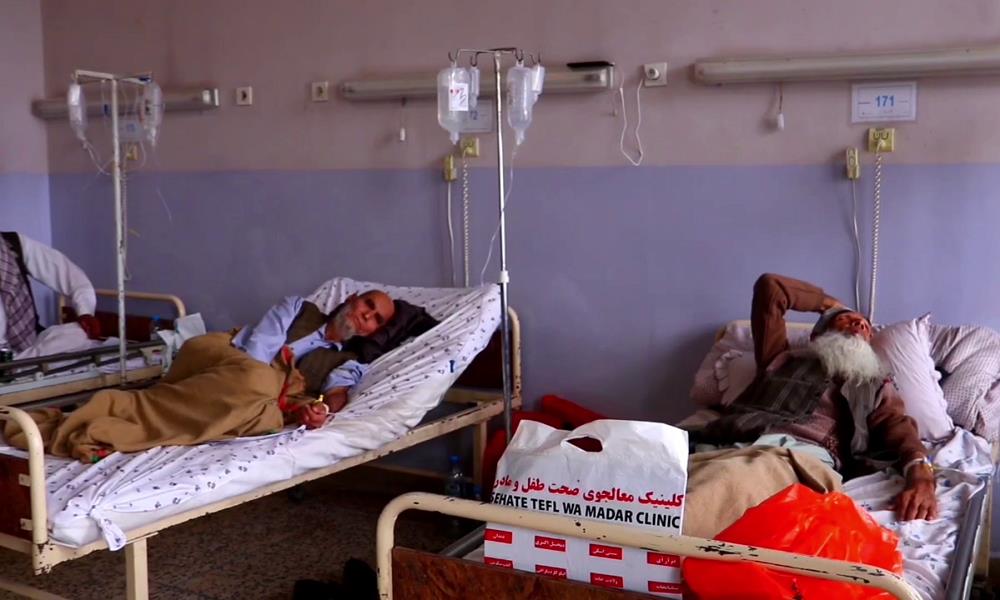
Afghanistan Reports Over 1.5 Million Cancer Patients As Annual Cases Reach 50,000


Shafiq Shinwari, head of the Afghanistan Cancer Foundation, said cancer has become the second-leading cause of death in Afghanistan after cardiovascular disease. He warned that the number of patients continues to rise while many cases are detected only at advanced stages because of limited screening and diagnostic services.
The foundation said the most common cancers differ by gender. Breast and cervical cancer are the leading forms among women, while lung, stomach, prostate and colorectal cancers are the most frequently diagnosed among men.
Afghanistan's Ministry of Public Health said it has expanded cancer treatment services across the country. Ministry spokesman Sharafat Zaman Amarkhil said the health system currently operates 50-bed cancer treatment centers in each regional zone and a 200-bed specialized oncology hospital in Kabul to provide care for cancer patients.
According to the ministry, nearly 90,000 cancer patients were registered and received outpatient treatment at public health facilities during the past year, reflecting increasing demand for oncology services.
Limited Care and Late Diagnosis Deepen the CrisisInternational health organizations have repeatedly warned that Afghanistan's healthcare system lacks sufficient oncology specialists, diagnostic laboratories, radiotherapy facilities and access to affordable chemotherapy. Many patients travel abroad for treatment when they can afford it, while others receive care only after the disease has significantly progressed.
The World Health Organization (WHO) has identified cancer as one of Afghanistan's fastest-growing noncommunicable diseases, citing delayed diagnosis, shortages of medicines and the collapse of parts of the country's healthcare infrastructure after years of conflict as major obstacles to treatment.
Medical specialists in Afghanistan say cigarette smoking, tobacco products such as naswar, unhealthy diets, poor hygiene and environmental pollution are among the factors increasing cancer risks. They also point to low public awareness and limited preventive screening, particularly for women, as contributors to rising mortality.
Conflict Legacy and Environmental ConcernsAmarkhil also said the long-term consequences of decades of war, including the widespread use of munitions and explosive weapons, may have contributed to increasing cancer cases, although comprehensive scientific studies linking conflict-related contamination to national cancer rates remain limited.
The newly released figures mark a sharp increase from estimates published during the previous Afghanistan government. In 2020, the Ministry of Public Health reported about 20,000 new cancer cases annually, compared with the foundation's current estimate of 50,000 new diagnoses each year.
Health experts say the growing burden underscores the need for expanded screening programs, improved diagnostic capacity and sustained international support to strengthen Afghanistan's cancer care system, particularly as humanitarian funding for healthcare continues to decline.

Legal Disclaimer:
MENAFN provides the
information “as is” without warranty of any kind. We do not accept any
responsibility or liability for the accuracy, content, images, videos,
licenses, completeness, legality, or reliability of the information
contained in this article. If you have any complaints or copyright issues
related to this article, kindly contact the provider above.
Comments
No comment