

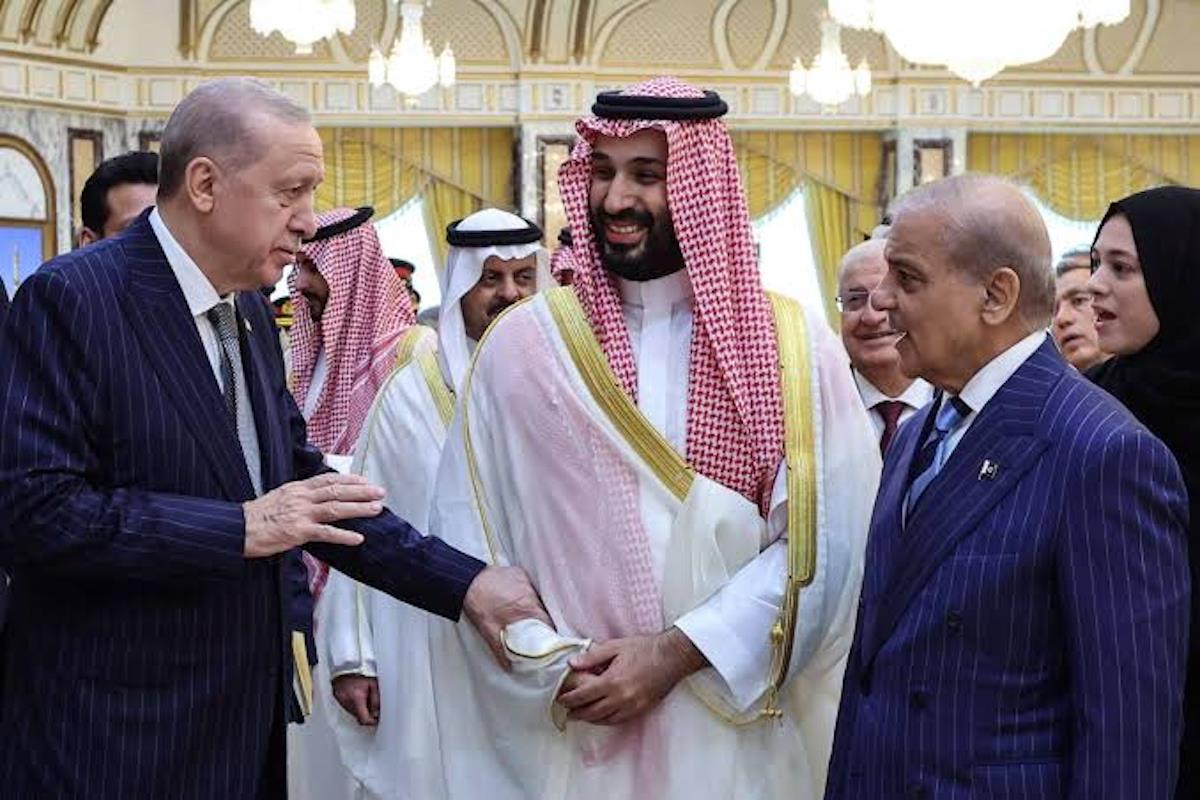
The Mecca Pact And The Fine Print Of Power


An attack on one, the world was told, would be regarded as an attack on all. It had the muscular reassurance of NATO's Article 5, only with better scenery, more invocations of brotherhood and, as events have revealed, rather more elastic theology.
Then Saudi Arabia was attacked. Suddenly, brotherhood discovered contract law.
Pakistan, having signed an agreement whose most memorable promise is that an attack on one is an attack on all, quickly explained that no military response was under discussion. Ankara has shown similarly little appetite for converting ceremonial solidarity into an actual war with Ansar Allah, the Houthi movement that controls much of northern Yemen.
One begins to suspect that the Mecca Pact contains a classified appendix the size of Riyadh: collective defense applies in every circumstance except the inconvenient circumstance in which someone might actually have to defend Saudi Arabia.
Perhaps we missed the Yemen clause. An attack on one shall be considered an attack on all - unless the attacker is battle-hardened, missile-armed, positioned beside one of the world's most important maritime chokepoints and capable of making volunteers for Riyadh's unfinished war regret their enthusiasm. In that case, there will be consultations.
The joke conceals something much larger. What is being tested is not merely the credibility of a new pact, but the whole decaying hierarchy of the old regional order.

Legal Disclaimer:
MENAFN provides the
information “as is” without warranty of any kind. We do not accept any
responsibility or liability for the accuracy, content, images, videos,
licenses, completeness, legality, or reliability of the information
contained in this article. If you have any complaints or copyright issues
related to this article, kindly contact the provider above.
Comments
No comment