

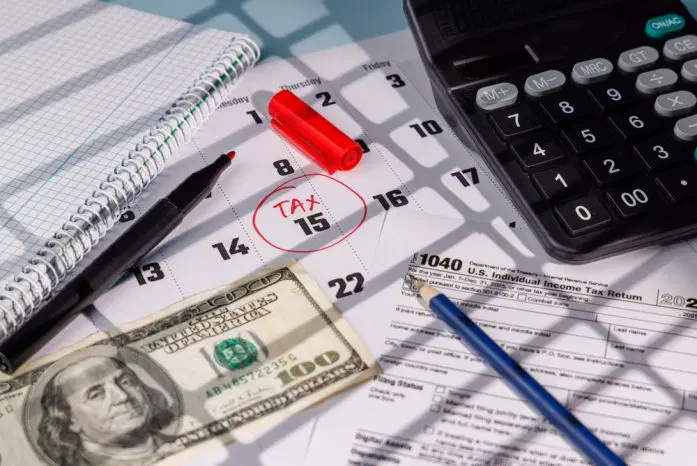
September 15 Is A Major Tax Deadline - Who Actually Needs To Pay The IRS?


September 15 can sneak up on taxpayers because it does not involve the giant annual tax-day frenzy that surrounds April 15. Yet for millions of Americans, September 15 marks the deadline for the third estimated federal tax payment of 2026, and ignoring it could create an unpleasant surprise later.
The deadline generally matters to people who earn income without enough tax coming out of each paycheck, including many self-employed workers, investors and business owners. The good news? Plenty of taxpayers can happily leave September 15 alone.
September 15 Is Really About Estimated TaxesThe IRS divides estimated tax payments into four periods during the year, and September 15 marks the payment deadline for income earned from June 1 through August 31. For 2026, individuals generally use Form 1040-ES to calculate and pay the third installment of their estimated federal income tax.
Think of estimated taxes as the pay-as-you-go version of income taxes, rather than one giant bill waiting at the end of the year. Instead of having an employer automatically withhold enough money from every paycheck, certain taxpayers send money to the IRS during the year as they earn income.
Who Actually Needs to Send Money?The September deadline can matter if income arrives without enough withholding attached to it, which commonly happens with self-employment income, investment income, taxable retirement income and some other types of non-wage earnings. The IRS generally says individuals, including sole proprietors, partners and S corporation shareholders, should make estimated payments when they expect to owe at least $1,000 when they file their return.
A freelancer who has a great summer and watches several large client payments land in a bank account, for example, may need to account for taxes during the year rather than waiting until filing season. The same issue can pop up for someone with substantial investment gains or other income that does not come with traditional paycheck withholding.
A Regular Paycheck Can Change the PicturePeople who receive wages often have an easier path because employers generally withhold federal income tax from their paychecks. A taxpayer who realizes the withholding falls short can potentially increase withholding by submitting a new Form W-4 to the employer, which can reduce the need for separate estimated payments.
That does not mean every employee can forget about September 15, though, especially if a side business, investment activity or other income sits outside the paycheck. The IRS looks at the taxpayer's overall tax situation, so a regular paycheck does not automatically provide a force field against estimated-tax requirements.
Some Taxpayers May Not Need a September PaymentA taxpayer generally does not have to make estimated payments for the current year if all three IRS conditions apply: the person had no tax liability in the prior year, held U.S. citizenship or resident-alien status for the entire year, and had a prior tax year covering 12 months.
Taxpayers who receive enough withholding throughout the year may also avoid separate estimated payments because withholding counts toward the tax they owe. The important detail involves the amount and timing of tax payments, because paying too little during the year can trigger an underpayment penalty even when the taxpayer eventually pays the full balance at filing time.
Missing the Deadline Can Cost More Than a Calendar ReminderThe IRS treats estimated taxes as part of its pay-as-you-go system, so missing or underpaying an installment can lead to an underpayment penalty. The size of any penalty depends on the taxpayer's circumstances and payment history, which means a missed deadline does not automatically translate into one universal fee.
Someone who realizes September 15 slipped away should not toss the paperwork into a drawer and hope January brings better news. Making the payment as soon as possible can limit the period of underpayment, while taxpayers with more complicated situations may want to review their calculations or seek qualified tax help rather than guessing at the amount.
September 15 Has Other Tax Jobs, TooEstimated payments do not represent the only tax business landing on September 15, because the IRS calendar also lists several filing and payment obligations for businesses and certain organizations. Calendar-year S corporations and partnerships that requested timely extensions generally face September 15 filing deadlines, while corporations also make their third estimated tax installment around this date.
That distinction matters because someone might hear“September 15 tax deadline” and assume every taxpayer needs to write the IRS a check. For many people, September 15 passes like any other Tuesday, while for others it represents an important checkpoint for keeping their 2026 federal tax bill on track.
Make September 15 a Checkpoint, Not a Tax SurpriseThe smartest move involves looking at the entire 2026 tax picture before deciding whether a September payment belongs on the calendar. Review year-to-date income, withholding and previous estimated payments, then compare those figures with the tax liability expected for the full year. Form 1040-ES provides worksheets that taxpayers can use to calculate estimated payments, and the IRS also offers online payment options.
One more wrinkle deserves attention: taxpayers with fiscal years can follow different estimated-tax schedules, so the standard September 15 date does not cover every situation. For calendar-year taxpayers, however, September 15, 2026, is the third estimated-tax payment deadline, making it a date worth circling before the calendar gets buried under football schedules, school events and pumpkin-spice everything.
Does the September 15 tax deadline catch you every year, or do you have a system for keeping estimated payments under control? Share your experience in the comments.

Legal Disclaimer:
MENAFN provides the
information “as is” without warranty of any kind. We do not accept any
responsibility or liability for the accuracy, content, images, videos,
licenses, completeness, legality, or reliability of the information
contained in this article. If you have any complaints or copyright issues
related to this article, kindly contact the provider above.
Comments
No comment