

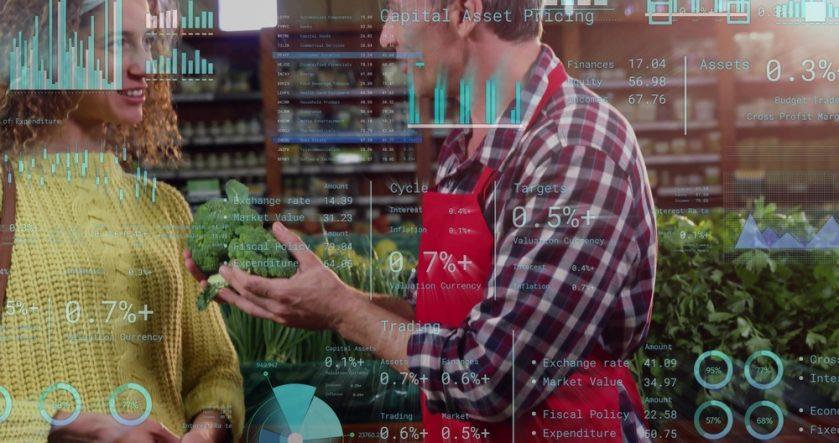
The Holographic Supermarket: How Augmented Reality Aisle Overlays Are Replacing Physical Signage


For over a century, navigating a supermarket meant relying on an analog visual language of printed paper signs, swinging aisle markers, plastic sale banners, and cardboard shelf-talkers. These physical fixtures have long served as the primary navigation tools for shoppers weaving through grocery corridors. However, maintaining, updating, and replacing thousands of paper signs demands an enormous amount of daily labor from store associates.
Today, that physical signage is quietly beginning to dissolve, replaced by an invisible layer of digital data accessed through spatial computing and augmented reality. Instead of looking up at a fixed plastic sign hanging from the ceiling, future-forward shoppers wearing lightweight smart glasses or holding mobile device screens encounter dynamic, holographic overlays floating directly above the shelves. This digital transformation merges the physical reality of grocery shopping with the infinite customization of the internet, redefining how humans interact with physical retail space.
Holographic Product Discovery and Visual Nutrition TrackingThe most immediate application of augmented reality in the grocery aisle is the ability to project rich, three-dimensional product information directly into the consumer's field of view. When a shopper walks down the cereal or snack aisle holding up an AR-enabled device or wearing spatial computing eyewear, the physical packaging comes alive with digital layers. Dietary preference markers-such as vegan certifications, gluten-free warnings, low-sodium badges, and allergen alerts-glow softly in real-time next to each box.
If a consumer is managing diabetes or monitoring cholesterol intake, the AR software can instantly color-code items on the shelf, highlighting optimal nutritional choices in green while dimming or flagging items that conflict with their health profile. This capability eliminates the tedious habit of squinting at microscopic ingredient lists on the back of packaging, putting personalized nutritional intelligence directly into the hands of the shopper.
Dynamic In-Store Navigation and Algorithmic WayfindingFinding a specific specialty ingredient in a massive, unfamiliar supermarket can often feel like searching for a needle in a haystack. Traditional store maps printed on paper or clumsy mobile store locator apps require constant cross-referencing between aisles. Augmented reality solves this friction entirely by introducing holographic wayfinding trails that project virtual arrows and visual paths directly onto the physical floor and shelving units.
When a shopper inputs a complex multi-course recipe into their smart glasses, the augmented reality system generates a glowing, three-dimensional pathway that guides them through the store via the most efficient route. The system accounts for real-time crowd congestion, stockouts, and newly placed promotional endcaps, dynamically rerouting the shopper to ensure a fast and frictionless trip. This level of spatial awareness turns every supermarket visit into an intuitive, gamified experience.
Transforming Blank Store Walls Into Immersive Brand StoriesBeyond functional navigation and nutrition tracking, holographic overlays allow retailers and consumer packaged goods brands to transform blank interior walls, empty ceiling spaces, and dull bulk bins into immersive visual canvases. Without building expensive physical set designs or hanging temporary cardboard banners, supermarkets can project dynamic, animated brand stories directly onto store surfaces.
Picture walking past the fresh produce department while a subtle, high-definition holographic projection illustrates the sunny orchards where a particular batch of apples was harvested just days prior, complete with interactive buttons to view farmer profiles or read customer reviews. This experiential layer engages shoppers on an emotional level, bridging the gap between farm-to-table transparency and retail merchandising without cluttering physical floor space.
The Operational Relief for Store Associates and MerchandisersWhile the consumer-facing benefits of augmented reality receive the most attention, the operational relief provided to store associates is equally profound. Traditional supermarkets spend countless hours printing, sorting, laminating, and hanging promotional signs, only to take them down a week later when a sale ends. By shifting signage entirely to digital augmented reality overlays, retailers eliminate physical waste and drastically cut labor overhead.
Store managers can update store-wide promotional displays, seasonal pricing flags, and directional markers instantly via cloud-based software dashboards. This digital agility ensures that marketing campaigns launch simultaneously across hundreds of regional store locations without a single associate touching a ladder or a staple gun.
Bridging the Digital and Physical Retail DivideThe rise of the holographic supermarket represents a major milestone in the evolution of modern retail architecture. By superimposing intelligent, responsive digital layers over physical aisles, AR technology resolves the historic tension between the rich data of e-commerce and the tactile satisfaction of in-house grocery browsing. Shoppers no longer have to choose between the convenience of digital filtering and the joy of picking out fresh ingredients in person.
As spatial computing hardware becomes lighter, cheaper, and more widely adopted, the boundaries between physical shelves and digital displays will continue to blur, creating a truly immersive shopping environment.
How would you feel about wearing lightweight AR glasses or using a spatial device to navigate your local grocery store?
What To Read NextThe Bitter Reality Behind Rising Sweet Treat Prices
How Augmented Reality Apps Are Driving Impulse Grocery Purchases
Rebate Reality: Why Digital Rebates Are Taking Longer to Process in 2026
How Artificial Intelligence Is Streamlining Your Weekly Grocery Run
Can Artificial Intelligence Improve Your Metabolic Health at the Supermarket

Legal Disclaimer:
MENAFN provides the
information “as is” without warranty of any kind. We do not accept any
responsibility or liability for the accuracy, content, images, videos,
licenses, completeness, legality, or reliability of the information
contained in this article. If you have any complaints or copyright issues
related to this article, kindly contact the provider above.
Comments
No comment