

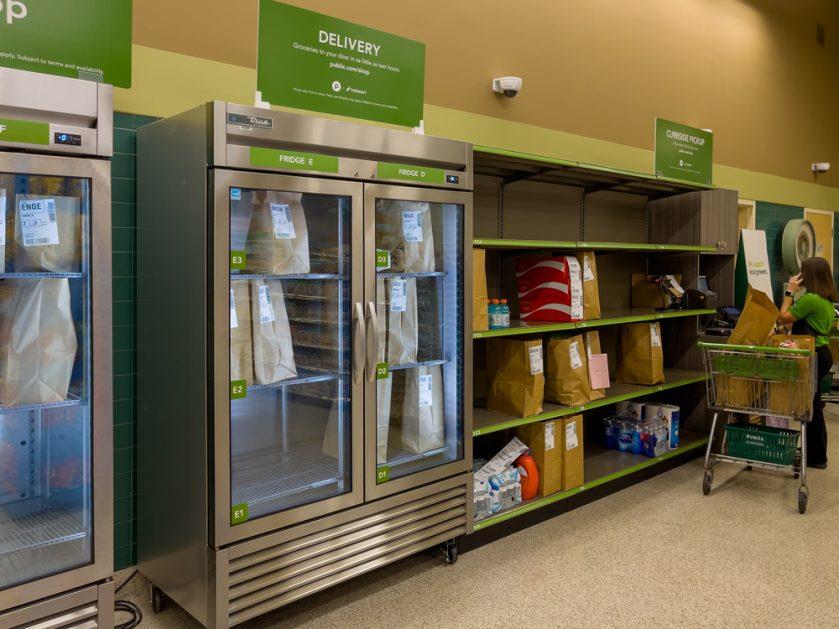
How Neighborhood Fulfillment Centers Are Killing Traditional Supermarkets


Driving through residential neighborhoods or suburban commercial strips reveals a quiet architectural shift that is rapidly altering the retail landscape. Buildings that once housed vibrant community supermarkets, local pharmacies, or bustling bookstores are being boarded up, painted in solid corporate colors, and turned into windowless distribution hubs. These facilities, commonly known as dark stores or neighborhood fulfillment centers, are entirely closed to walk-in retail shoppers.
Instead of welcoming families pushing shopping carts down bright aisles, these spaces house high-density shelving racks, automated conveyor belts, and fleets of delivery couriers waiting to dispatch online orders. The rapid proliferation of fulfillment centers marks a brutal evolution in grocery retail, threatening the economic viability of traditional brick-and-mortar supermarkets.
The Mechanics of Ultra-Fast Delivery NetworksThe rise of dark stores is driven by an unyielding consumer demand for instant gratification and ultra-fast grocery delivery. Traditional supermarkets were originally designed for weekly or bi-weekly shopping trips, featuring sprawling floor plans, vast parking lots, and extensive product displays optimized for leisurely browsing. However, when a customer orders milk, eggs, and fresh produce through a quick-commerce app expecting delivery within fifteen minutes, a traditional supermarket layout becomes a logistical nightmare.
Fulfillment centers strip away all the wasted space dedicated to human shopping behavior, wide aisles, and checkout counters. Every square foot of a dark store is engineered for maximum inventory density and rapid order picking, allowing warehouse staff to assemble a grocery bag in under two minutes.
The Economic Pressure on Traditional Grocery ModelsAs neighborhood fulfillment centers capture a larger share of daily grocery spending, traditional supermarkets face mounting financial strain. Maintaining massive physical storefronts with bright lighting, climate control, attractive visual merchandising, and customer service staff requires immense capital overhead. When local shoppers shift their routine purchases of milk, snacks, and convenience items to app-based delivery services fulfilled by nearby dark stores, supermarkets lose their most profitable foot traffic.
Furthermore, traditional grocery stores struggle to compete with the sheer speed and convenience of hyper-local fulfillment networks. This competitive pressure forces legacy grocers to either invest heavily in their own digital picking operations or watch their profit margins slowly erode.
Supply Chain Realignment and Inventory CentralizationBehind the closed doors of neighborhood fulfillment centers lies a highly centralized inventory model that bypasses traditional wholesale distribution channels. Instead of shipping bulk goods to many individual retail storefronts where customers browse aisles, dark stores receive optimized pallet loads directly from regional warehouses. Advanced inventory management software tracks stock levels in real time, automatically triggering reorders before popular items can run out.
This streamlined supply chain minimizes food spoilage, reduces overhead storage costs, and eliminates the labor-intensive task of constantly facing and restocking retail shelves. By removing the public from the equation, operators achieve unprecedented logistical efficiency that legacy supermarkets cannot match.
Community Impact and Urban FrictionThe shift from traditional supermarkets to windowless fulfillment centers significantly changes the fabric of local neighborhoods. While residents appreciate the convenience of having groceries delivered to their doorsteps in minutes, the physical presence of a dark store introduces unique urban friction. Busy residential streets suddenly contend with a constant stream of delivery drivers, electric bikes, and commercial vans idling outside collection points during peak hours.
Additionally, the replacement of community-facing grocery stores with closed warehouses removes a vital public space where neighbors naturally cross paths, interact, and engage with their local economy. The human connection embedded in the traditional shopping experience is lost in the pursuit of algorithmic efficiency.
The Future of Physical Retail SpacesThe rapid expansion of neighborhood fulfillment centers signals that the convenience economy is here to stay, permanently altering how urban and suburban populations source their food. While traditional supermarkets may never completely disappear, they must reinvent their physical spaces to offer experiences automated warehouses cannot replicate, such as in-store dining, culinary classes, and specialized local artisan goods.
Recognizing how fulfillment logistics shape your neighborhood helps you navigate the modern grocery landscape with greater awareness of the infrastructure behind your doorstep delivery. Adapting to this new retail paradigm allows shoppers to balance modern convenience with community consciousness.
How has your reliance on grocery delivery apps changed the way you interact with local supermarkets?
What To Read NextTarget Wants More of Your Grocery Money - And Its Latest Numbers Say the Plan Is Working
Your Grocery Budget May Need a“Nobody Wants to Cook” Category
6 SNAP Online Grocery Rules That Still Surprise New Shoppers
8 Grocery App Features That Can Quietly Raise Your Total
7 Grocery Store Changes Shoppers Will Notice in 2026

Legal Disclaimer:
MENAFN provides the
information “as is” without warranty of any kind. We do not accept any
responsibility or liability for the accuracy, content, images, videos,
licenses, completeness, legality, or reliability of the information
contained in this article. If you have any complaints or copyright issues
related to this article, kindly contact the provider above.
Comments
No comment