

403
Sorry!!
Error! We're sorry, but the page you were looking for doesn't exist.
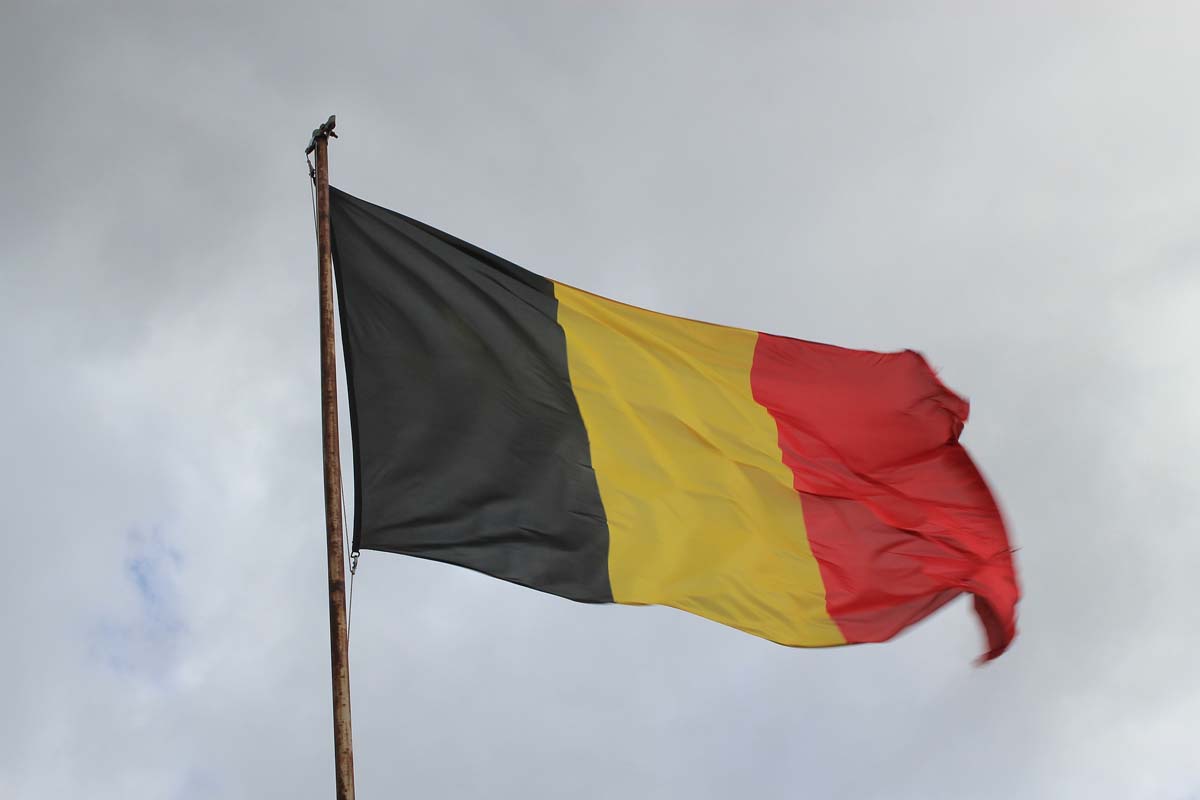
First Locally Acquired West Nile Cases Confirmed in Belgium


(MENAFN) Belgian health officials confirmed Friday that five probable, locally transmitted West Nile virus infections have surfaced in the country's north for the first time, with one patient hospitalized. The cases emerged in the Flanders provinces of Antwerp and Flemish Brabant, regions where the virus has also turned up in birds and horses, according to a news agency. Confirmatory testing is ongoing.
Four of the five patients developed neurological symptoms. Belgian health authorities emphasized that overall infection and illness risk stays low. West Nile virus spreads primarily via mosquito bites; roughly 80% of those infected show no symptoms, while others typically experience mild effects such as fever, headache, muscle aches or fatigue. About 1% develop severe illness, with elderly patients and the immunocompromised at highest risk.
Officials said the appearance of homegrown cases wasn't a surprise given prior detections in local wildlife signaling the virus was already circulating among birds and mosquitoes. "We expect additional cases until the end of the mosquito season in October," said Health Department spokeswoman Anneleen De Sadeleer, adding that the threat should ease as days shorten and temperatures fall. She noted the case count may also reflect expanded testing and heightened physician awareness, layered onto the virus's broader spread across Europe.
Hospitals, general practitioners and care facilities in the affected provinces have been briefed on symptoms and mosquito-bite precautions; the virus doesn't spread directly between people or from horses to humans, and the responsible mosquitoes are most active at dusk and overnight.
Four of the five patients developed neurological symptoms. Belgian health authorities emphasized that overall infection and illness risk stays low. West Nile virus spreads primarily via mosquito bites; roughly 80% of those infected show no symptoms, while others typically experience mild effects such as fever, headache, muscle aches or fatigue. About 1% develop severe illness, with elderly patients and the immunocompromised at highest risk.
Officials said the appearance of homegrown cases wasn't a surprise given prior detections in local wildlife signaling the virus was already circulating among birds and mosquitoes. "We expect additional cases until the end of the mosquito season in October," said Health Department spokeswoman Anneleen De Sadeleer, adding that the threat should ease as days shorten and temperatures fall. She noted the case count may also reflect expanded testing and heightened physician awareness, layered onto the virus's broader spread across Europe.
Hospitals, general practitioners and care facilities in the affected provinces have been briefed on symptoms and mosquito-bite precautions; the virus doesn't spread directly between people or from horses to humans, and the responsible mosquitoes are most active at dusk and overnight.

Legal Disclaimer:
MENAFN provides the
information “as is” without warranty of any kind. We do not accept any
responsibility or liability for the accuracy, content, images, videos,
licenses, completeness, legality, or reliability of the information
contained in this article. If you have any complaints or copyright issues
related to this article, kindly contact the provider above.
Comments
No comment