

403
Sorry!!
Error! We're sorry, but the page you were looking for doesn't exist.
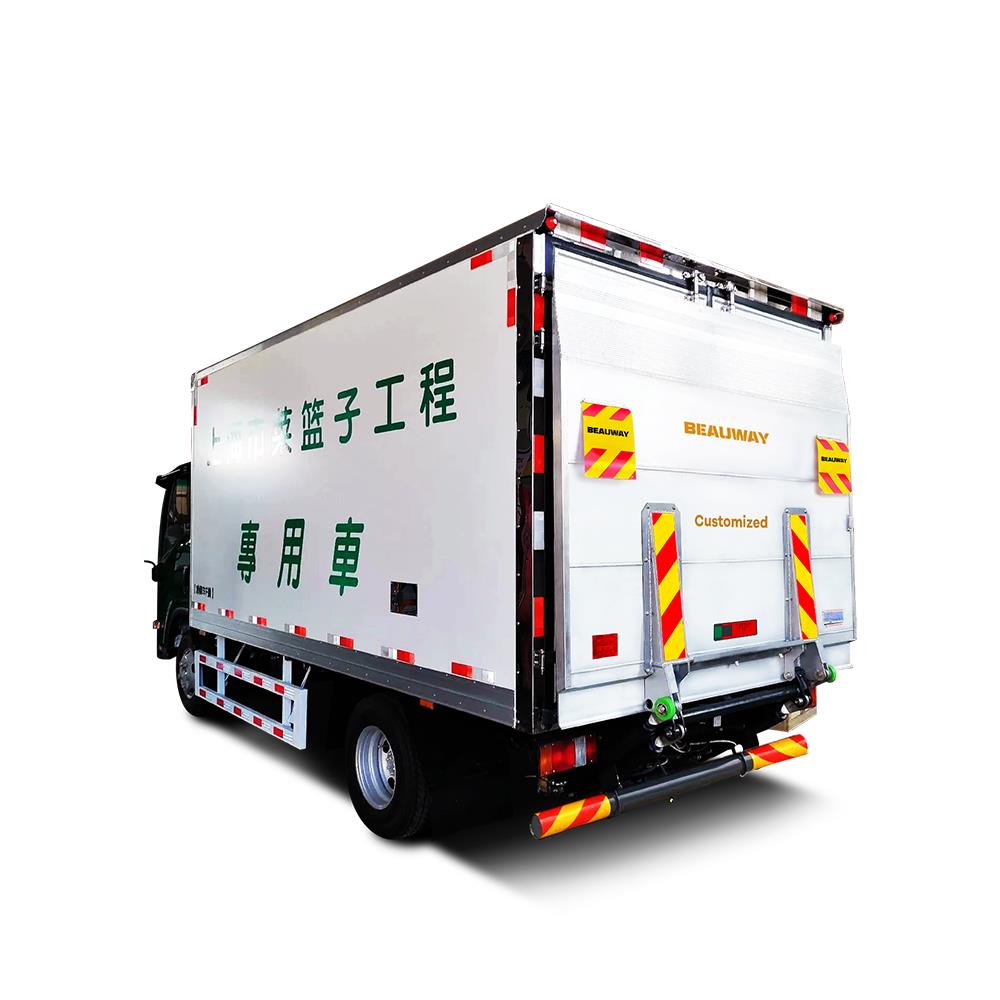
Why Cold Chain and Fresh Food Delivery Fleets Are Switching to Tail Lifts


(MENAFN- Global Industrial Parts Inc.) Anyone running a fresh food or cold chain route knows the real bottleneck isn't the road — it's the ten minutes spent at every stop wrestling a pallet of chilled goods down from the truck bed. Multiply that by twenty or thirty drops a day, and the minutes add up to hours of lost driving time, more open-door exposure for temperature-sensitive cargo, and a lot of strain on drivers who are already doing a two-person job alone. This is exactly the gap a tail lift is built to close.
The Problem With Manual Unloading in Cold Chain Delivery
Frozen and chilled goods are unforgiving. Every extra minute the rear doors stay open on a box truck with tail lift-free setup means warmer air creeping into the cargo box, and every manual lift of a heavy tote or pallet is a chance for product damage or driver injury. Traditional ramps work fine for light, dry goods, but they're a poor match for a fully loaded pallet jack, especially when the ground outside a corner store or restaurant loading area is uneven.
Fleet operators moving into last-mile grocery, seafood, dairy, or frozen food distribution are finding that a truck with tail gate equipment fitted from the factory pays for itself within months — not through some abstract efficiency metric, but in fewer missed delivery windows and fewer workers' comp claims.
What Changes When You Add a Tail Lift
A properly specified box truck tail lift does three things a ramp or manual unloading never can:
It removes the physical strain. Instead of a driver dragging a 300kg pallet down an incline, the platform lowers the full load mechanically to curb height, ready for a pallet jack or hand truck.
It shortens door-open time. Because loading and unloading happen faster, refrigerated compartments spend less time exposed to ambient heat — a meaningful factor for anyone hauling seafood, dairy, or pharma-adjacent goods.
It works on uneven ground. Unlike a fixed ramp, a hydraulic platform adjusts to loading docks, curbs, or bare pavement without needing a level surface.
This is why so many operators upgrading their fleets are asking suppliers specifically about a van tailgate lift or a rear-mounted platform rather than sticking with a standard ramp — the conversation has shifted from "can we afford one" to "which capacity and platform size fits our route."
Matching the Lift to the Route
Not every cold chain operation needs the same setup. A courier running small, frequent parcel drops has very different needs from a distributor doing full pallet deliveries to restaurants and grocery stores.
Local courier and parcel routes: A compact tail lift van courier setup with a smaller platform and lighter capacity (500–750kg) is usually enough, prioritizing quick cycle times over raw lifting power.
Pallet-based distribution: Trucks moving full pallets of frozen or chilled product typically need 1000kg–2000kg capacity platforms, often paired with a tailgate lorry configuration for larger box bodies.
Multi-drop city routes: Where the truck stops dozens of times a day, cycle speed and platform durability matter more than sheer capacity, since the lift is working almost constantly.
Fleets converting older vehicles sometimes look at a lorry tailgate retrofit rather than buying new, and this is a reasonable path as long as the vehicle's chassis and hydraulic capacity can support the added weight and load cycle demands of daily cold chain work.
Buying New vs. Retrofitting
For operators actively expanding into refrigerated delivery, it's increasingly common to search for a refrigerated van with tail lift for sale rather than buying a bare van and fitting equipment separately afterward. Ordering the vehicle and the lift as a matched package avoids compatibility headaches later — mismatched hydraulic capacity, incorrect platform sizing for the box height, or wiring that wasn't planned for the extra electrical load.
That said, retrofitting is still a valid option for fleets with existing vehicles in good condition. The key is working with a manufacturer that can confirm platform capacity, mounting points, and cycle speed for your specific van or truck model before installation — not after.
Maintenance Realities for Cold Chain Fleets
Cold chain routes put a lift through more cycles per day than almost any other application, and cold storage yards or refrigerated docks add moisture and temperature swings that accelerate wear on seals and hydraulic components. Operators who treat the tail lift as "set and forget" equipment tend to be the ones dealing with mid-route breakdowns. A simple weekly visual check — hydraulic fluid levels, platform hinge condition, and control switch response — catches most problems before they become a stalled delivery.
Choosing the Right Supplier
The equipment side of this decision matters as much as the vehicle side. A hydraulic tail lift built for continuous multi-drop cycles, with corrosion-resistant components suited to cold, damp environments, will simply outlast a lift designed for occasional use. For fleets specifically comparing a box truck with tail lift against ramp-only alternatives, it's worth asking any supplier for cycle-rate data and platform capacity charts rather than relying on marketing claims alone — the numbers tell you whether the unit can actually handle your route volume.
Cold chain and fresh food delivery is only getting more competitive, and delivery windows keep shrinking. Fleets that solve the unloading bottleneck now are the ones that will be able to add routes and volume without adding headcount at the same rate.
Quick Takeaway for Fleet Managers Comparing Options
Whether you're outfitting a small tail lift van courier operation or a full-scale distribution fleet running a tailgate lorry setup, the core principle stays the same: match platform capacity and cycle speed to the route, not the other way around. Operators who search for a refrigerated van with tail lift for sale as a matched package, rather than bolting equipment onto an existing truck with tail gate-free van, tend to avoid the compatibility issues that show up later. A lorry tailgate retrofit can still work well on a solid chassis, and a box truck tail lift or box truck with tail lift setup remains one of the most requested configurations among growing cold chain fleets today.
Beauway has been specializing in the field of logistics loading and unloading equipment for many years, with a full product range covering tail lifts, dock levelers, and lifting platforms. For a customized solution tailored to your specific site conditions, you are welcome to schedule a technical consultation.
The Problem With Manual Unloading in Cold Chain Delivery
Frozen and chilled goods are unforgiving. Every extra minute the rear doors stay open on a box truck with tail lift-free setup means warmer air creeping into the cargo box, and every manual lift of a heavy tote or pallet is a chance for product damage or driver injury. Traditional ramps work fine for light, dry goods, but they're a poor match for a fully loaded pallet jack, especially when the ground outside a corner store or restaurant loading area is uneven.
Fleet operators moving into last-mile grocery, seafood, dairy, or frozen food distribution are finding that a truck with tail gate equipment fitted from the factory pays for itself within months — not through some abstract efficiency metric, but in fewer missed delivery windows and fewer workers' comp claims.
What Changes When You Add a Tail Lift
A properly specified box truck tail lift does three things a ramp or manual unloading never can:
It removes the physical strain. Instead of a driver dragging a 300kg pallet down an incline, the platform lowers the full load mechanically to curb height, ready for a pallet jack or hand truck.
It shortens door-open time. Because loading and unloading happen faster, refrigerated compartments spend less time exposed to ambient heat — a meaningful factor for anyone hauling seafood, dairy, or pharma-adjacent goods.
It works on uneven ground. Unlike a fixed ramp, a hydraulic platform adjusts to loading docks, curbs, or bare pavement without needing a level surface.
This is why so many operators upgrading their fleets are asking suppliers specifically about a van tailgate lift or a rear-mounted platform rather than sticking with a standard ramp — the conversation has shifted from "can we afford one" to "which capacity and platform size fits our route."
Matching the Lift to the Route
Not every cold chain operation needs the same setup. A courier running small, frequent parcel drops has very different needs from a distributor doing full pallet deliveries to restaurants and grocery stores.
Local courier and parcel routes: A compact tail lift van courier setup with a smaller platform and lighter capacity (500–750kg) is usually enough, prioritizing quick cycle times over raw lifting power.
Pallet-based distribution: Trucks moving full pallets of frozen or chilled product typically need 1000kg–2000kg capacity platforms, often paired with a tailgate lorry configuration for larger box bodies.
Multi-drop city routes: Where the truck stops dozens of times a day, cycle speed and platform durability matter more than sheer capacity, since the lift is working almost constantly.
Fleets converting older vehicles sometimes look at a lorry tailgate retrofit rather than buying new, and this is a reasonable path as long as the vehicle's chassis and hydraulic capacity can support the added weight and load cycle demands of daily cold chain work.
Buying New vs. Retrofitting
For operators actively expanding into refrigerated delivery, it's increasingly common to search for a refrigerated van with tail lift for sale rather than buying a bare van and fitting equipment separately afterward. Ordering the vehicle and the lift as a matched package avoids compatibility headaches later — mismatched hydraulic capacity, incorrect platform sizing for the box height, or wiring that wasn't planned for the extra electrical load.
That said, retrofitting is still a valid option for fleets with existing vehicles in good condition. The key is working with a manufacturer that can confirm platform capacity, mounting points, and cycle speed for your specific van or truck model before installation — not after.
Maintenance Realities for Cold Chain Fleets
Cold chain routes put a lift through more cycles per day than almost any other application, and cold storage yards or refrigerated docks add moisture and temperature swings that accelerate wear on seals and hydraulic components. Operators who treat the tail lift as "set and forget" equipment tend to be the ones dealing with mid-route breakdowns. A simple weekly visual check — hydraulic fluid levels, platform hinge condition, and control switch response — catches most problems before they become a stalled delivery.
Choosing the Right Supplier
The equipment side of this decision matters as much as the vehicle side. A hydraulic tail lift built for continuous multi-drop cycles, with corrosion-resistant components suited to cold, damp environments, will simply outlast a lift designed for occasional use. For fleets specifically comparing a box truck with tail lift against ramp-only alternatives, it's worth asking any supplier for cycle-rate data and platform capacity charts rather than relying on marketing claims alone — the numbers tell you whether the unit can actually handle your route volume.
Cold chain and fresh food delivery is only getting more competitive, and delivery windows keep shrinking. Fleets that solve the unloading bottleneck now are the ones that will be able to add routes and volume without adding headcount at the same rate.
Quick Takeaway for Fleet Managers Comparing Options
Whether you're outfitting a small tail lift van courier operation or a full-scale distribution fleet running a tailgate lorry setup, the core principle stays the same: match platform capacity and cycle speed to the route, not the other way around. Operators who search for a refrigerated van with tail lift for sale as a matched package, rather than bolting equipment onto an existing truck with tail gate-free van, tend to avoid the compatibility issues that show up later. A lorry tailgate retrofit can still work well on a solid chassis, and a box truck tail lift or box truck with tail lift setup remains one of the most requested configurations among growing cold chain fleets today.
Beauway has been specializing in the field of logistics loading and unloading equipment for many years, with a full product range covering tail lifts, dock levelers, and lifting platforms. For a customized solution tailored to your specific site conditions, you are welcome to schedule a technical consultation.
Global Industrial Parts Inc.
Legal Disclaimer:
MENAFN provides the
information “as is” without warranty of any kind. We do not accept any
responsibility or liability for the accuracy, content, images, videos,
licenses, completeness, legality, or reliability of the information
contained in this article. If you have any complaints or copyright issues
related to this article, kindly contact the provider above.
Comments
No comment