

Saudi Arabia Closes East-West Oil Pipeline As Iraqi Drones Cause Injuries


Riyadh has increased its use of the East-West pipeline, which links Abqaiq, near the Gulf, to the port of Yanbu on the Red Sea, since the start of the Middle East war to bypass the closure of the Strait of Hormuz by Iran.
Recommended For YouThe Saudi foreign ministry condemned "the targeting of the East–West pipeline in the Riyadh and Madinah regions by several drones coming from Iraq, which caused human injuries and damage".
"The pipeline was stopped as a precaution, and the attacks resulted in some injuries," an energy ministry official told the SPA news agency earlier.
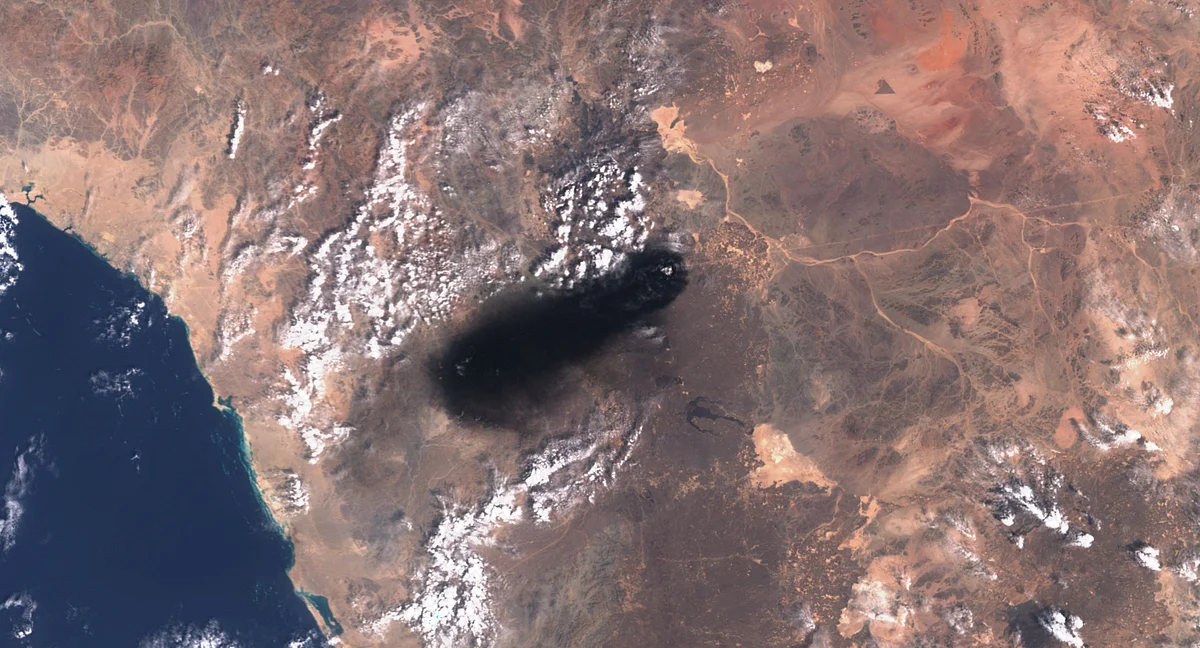
Satellite images from Copernicus Sentinel Data taken on Thursday showed black smoke billowing near Madinah, along the general route of the East-West pipeline that carries Saudi oil to its Red Sea coast.
The office of Iraqi Prime Minister Ali Al Zaidi confirmed the attack originated from Iraqi territory and said on X that the commander in charge of the southern province of Maysan had been dismissed.
The Iraqi government said it condemned "the attacks targeting our brethren in the Kingdom of Saudi Arabia originated from a location within the governorate".
'Dangerous escalation'
Riyadh said that, at the Iraqi prime minister's request, it had chosen "not to respond at this stage and to support the efforts of the Iraqi government...to prevent attacks launched from Iraq against the Kingdom and neighbouring countries".
Riyadh previously accused Iranian-backed Iraqi militias of targeting its oil infrastructure.
But it stressed that the kingdom "reserves the right to take all necessary measures to protect its sovereignty, its security, its facilities," and its people.
Bahrain, Jordan and Qatar also condemned the attack on the Saudi pipeline, while the Gulf Cooperation Council denounced "a dangerous escalation and an unacceptable threat to the security of the Kingdom".
Oil prices have climbed past $100 a barrel this week, while average US diesel prices topped $6 for the first time on Friday - a potential headache for President Donald Trump ahead of midterm elections.
Yemen's Iran-backed Houthi rebels announced a maritime blockade in July against Saudi Arabia - which supports the Yemeni government - attacking its oil tankers in the Red Sea.
By taking control of the Yemeni Red Sea coast and the islands in the Bab el-Mandeb Strait on Friday, the Houthis consolidated their grip on the strategic passage linking Europe and Asia.
Navigation through the Bab al-Mandab Strait was "safe" for all but Saudi Arabia following the latest advances, the Houthis said.
ALSO READ- Yemen's Houthis take over entire Red Sea coast, cement hold on vital shipping corridor Yemen's Houthis say targeted Saudi airport, Aramco facility

Legal Disclaimer:
MENAFN provides the
information “as is” without warranty of any kind. We do not accept any
responsibility or liability for the accuracy, content, images, videos,
licenses, completeness, legality, or reliability of the information
contained in this article. If you have any complaints or copyright issues
related to this article, kindly contact the provider above.
Comments
No comment