

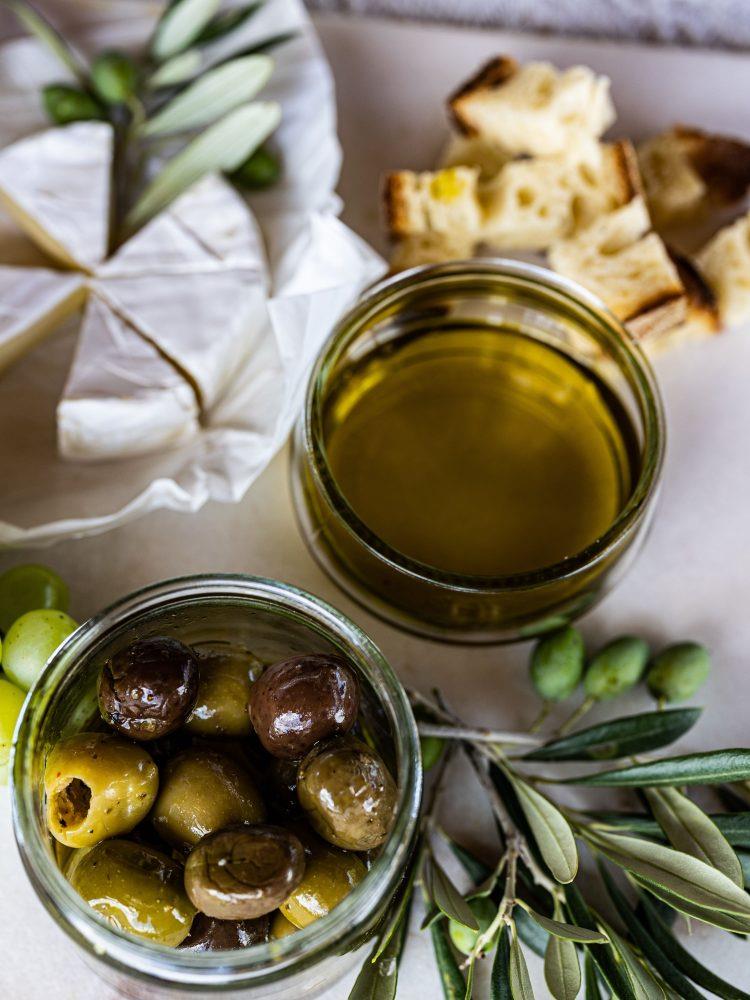
The Economics Behind The Explosion Of Specialty Olive Oils


Walking down the cooking oil aisle in 2026 can trigger a genuine moment of shock for home cooks accustomed to picking up a bottle of extra-virgin olive oil without a second thought. Price tags that once hovered around a modest ten dollars for a large glass bottle have doubled or even tripled in many supermarkets. Premium specialty olive oils sourced from specific European regions now command luxury prices that rival fine wine. This dramatic financial shift has forced everyday consumers and culinary enthusiasts alike to rethink how they use one of the kitchen's most fundamental ingredients.
Understanding why specialty olive oils have experienced such an unprecedented economic explosion requires looking far beyond local grocery pricing strategies. A complex web of climate disruptions, agricultural labor shifts, and global supply chain pressures has fundamentally altered the olive oil market. Examining these underlying economic forces helps shoppers navigate the grocery aisle and make informed purchasing choices without draining their bank accounts.
Severe Weather Disruptions Across the Mediterranean BasinThe primary catalyst behind the skyrocketing price of specialty olive oil is an unrelenting series of climate shocks hitting the Mediterranean. Regions like Andalusia in Spain, southern Italy, and parts of Greece produce a massive percentage of the world's supply of high-end olive oil. Over recent seasons, these vital agricultural hubs have suffered through historic droughts, extreme heatwaves during critical blooming phases, and unseasonal storms. Olive trees are remarkably resilient plants, but prolonged water scarcity severely stunts fruit development and drastically reduces overall harvest yields.
When regional crop volumes plummet, basic supply and demand economics take over immediately. Limited global inventory combined with steady worldwide demand sends wholesale prices soaring, which translates directly to steep price spikes at your local supermarket. Climate volatility has transformed olive oil from an abundant pantry staple into an increasingly precious commodity.
Pests, Disease, and Agricultural PressuresBeyond extreme weather patterns, olive groves across Southern Europe have faced mounting biological threats that further threaten harvest stability. Destructive pests like the olive fruit fly and plant diseases such as Xylell fastidiosa have spread rapidly through stressed agricultural zones. Combating these biological outbreaks requires intensive orchard management, strict quarantines, and frequent treatments that drive up operational costs for farmers.
Furthermore, aging farming populations in traditional Mediterranean olive-growing communities face acute labor shortages as younger generations migrate to urban centers. Harvesting high-end specialty olives often requires careful, labor-intensive hand-picking or delicate mechanical shaking to prevent bruising the fruit. As labor expenses rise and farm work becomes harder to staff, the cost of producing exceptional single-origin olive oils climbs steadily upward.
The Distinction Between Mass-Market and Single-Origin OilsTo understand why specialty olive oils carry such astronomical price tags compared to standard vegetable or canola oils, you have to examine how they are produced. Mass-market cooking oils rely on industrial chemical extraction from heavily farmed commodity crops like soybeans or corn, yielding cheap and uniform liquids. In stark contrast, specialty extra-virgin olive oils are pure fruit juices extracted from olives crushed within hours of harvesting.
Single-origin specialty oils-such as a protected designation of origin Tuscan oil or an estate-bottled Greek variety-require rigorous quality controls. Farmers must harvest specific olive cultivars at exact ripening windows, press them under precise cold-temperature parameters, and store the oil in dark, temperature-controlled environments to preserve delicate flavor compounds. This artisanal dedication to craftsmanship and terroir drives up production costs, making specialty olive oil behave more like a fine vintage wine than a standard kitchen lubricant.
The Economic Impact of Counterfeiting and FraudThe high economic value of specialty olive oil has unfortunately attracted bad actors within global supply chains, leading to widespread food fraud. Historical market investigations have revealed that cheap refined oils are frequently diluted, mislabeled, or cut with inferior seed oils and sold under fraudulent specialty labels. To combat this deceptive practice and protect authentic producers, regulatory bodies enforce strict certification standards and testing protocols.
Authentic specialty olive oils undergo rigorous chemical and sensory panel testing to earn official seals like Protected Designation of Origin or Extra Virgin status. While these strict oversight measures ensure that consumers actually get the premium product they pay for, the administrative and testing overhead adds another layer of cost to the final bottle. Ensuring absolute authenticity requires financial investment from harvest to shelf.
Smart Strategies for Shopping and Cooking in 2026Faced with record-high prices for specialty olive oils, home cooks do not need to abandon the Mediterranean flavor profile entirely. Instead, economic survival in the modern kitchen requires adopting a dual-oil strategy for everyday meal preparation. Reserve your expensive, single-origin specialty olive oil for raw culinary applications where its complex flavor profile can truly shine, such as salad dressings, finishing drizzles, and dipping fresh artisan bread.
For high-heat cooking tasks like roasting vegetables, searing meats, or everyday sautéing, swap out expensive extra-virgin oil for more affordable, heat-stable options like avocado oil or refined high-heat oils. This tactical division prevents you from burning through expensive artisanal products on basic pan-frying tasks. Buying smaller specialty bottles also ensures you use the oil quickly before oxidation alters its delicate taste.
Navigating the Future of the Olive Oil MarketThe economic pressures currently reshaping the olive oil industry highlight how closely global agriculture is tied to environmental health and supply chain stability. While prices for specialty bottles may remain elevated as agricultural regions adapt to changing climate realities, understanding the value behind the product helps frame your grocery choices. Thoughtful purchasing and smart culinary usage allow you to enjoy the rich, nuanced flavors of quality olive oil without breaking your household budget.
What adjustments have you made to your cooking oils to manage rising grocery costs this year?
What To Read Next8 Economic Changes That Destroyed Dollar Stores
The Subway Problem Isn't Just $15 Footlongs - Here's What Customers Say Has Changed
8 Ways Falling SNAP Enrollment Could Raise Grocery Costs for Families Who Lose Benefits
Trader Joe's Names Prabash Coswatte as New Chief Information Officer
Inside the Push for New York City's Municipal Grocery Stores: Progress, Plans, and Pushback

Legal Disclaimer:
MENAFN provides the
information “as is” without warranty of any kind. We do not accept any
responsibility or liability for the accuracy, content, images, videos,
licenses, completeness, legality, or reliability of the information
contained in this article. If you have any complaints or copyright issues
related to this article, kindly contact the provider above.
Comments
No comment