

Polish Rates Remain Unchanged Post-Meeting Statement Signals Continuity From July


In the descriptive part of its statement, the MPC noted robust GDP growth in 2Q26, including stronger investment activity and slower consumption growth. It also highlighted the increase in CPI inflation, driven by higher fuel prices. The Council observed only a modest rise in core inflation and mentioned weaker wage growth and a continued decline in employment, which can be seen as offsetting factors.
The summary passages with forward guidance for monetary policy remained unchanged compared with July's statement. The MPC reiterated that future decisions would depend on the outlook for inflation and economic activity in Poland. The same inflation risks were identified as before: a) the fiscal policy stance, b) changes in the economic activity dynamics, and c) further wage growth developments.
Inflation may continue rising, but second-round effects absentThe renewed escalation of the conflict in the Middle East has triggered another wave of increases in global oil prices, which has put upward pressure on retail fuel prices in recent weeks. As a result, CPI inflation in Poland has risen towards the upper bound of the NBP's inflation target tolerance band (3.4% year-on-year in August) and could stay above 3.5% in the second half of 2026. Consequently, despite the NBP Governor's dovish tone in July, we do not see scope for interest rate cuts in the coming months.
Inflationary pressures outside the energy sector remain moderate. There is little evidence of second-round effects either in Poland or abroad. The presence of two military conflicts, including one on Poland's border, has made households cautious and increased their propensity to save. The latest ING survey shows that 76.9% of Poles hold savings.
Moreover, neither Poland nor other economies are experiencing fiscal stimulus on the scale seen after the COVID-19 pandemic. Economic policy decisions affecting wage growth are also significantly less inflationary than in previous years, with only moderate increases in Poland's minimum wage planned for 2026 and 2027 (3% annually) and stable wage dynamics, according to the European Central Bank's wage tracker for the euro area. Taken together, these factors are preventing inflation from spreading more broadly across the economy. Nevertheless, elevated fuel prices could push CPI inflation as high as 4% YoY in the near term.
Rates outlook for the months ahead unchangedOur baseline scenario still assumes that interest rates will stay unchanged over the coming months. Short-term inflation prospects have deteriorated in recent weeks, though. We project two 25bp rate cuts in the second half of 2026, as inflation is expected to move back towards the NBP's target, although much will depend on developments in energy markets.
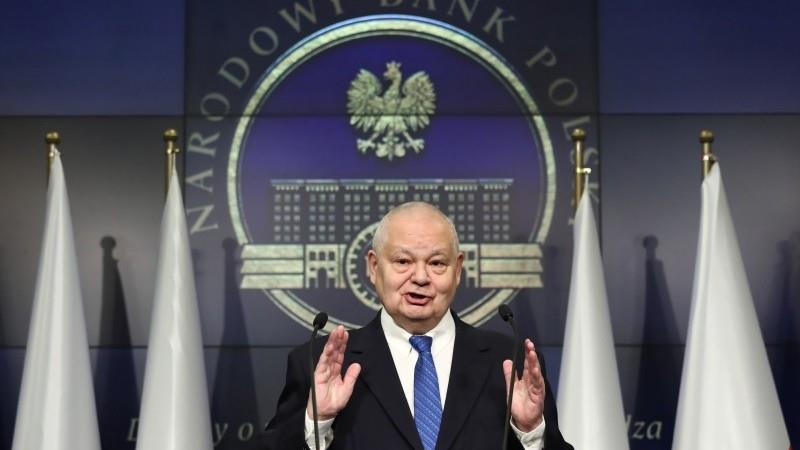
Tomorrow's press conference with the NBP Governor is likely to strike a more hawkish tone than in July. Even so, we expect the overall message to remain more cautious than current market pricing, which implies more than 75bp of interest rate hikes.

Legal Disclaimer:
MENAFN provides the
information “as is” without warranty of any kind. We do not accept any
responsibility or liability for the accuracy, content, images, videos,
licenses, completeness, legality, or reliability of the information
contained in this article. If you have any complaints or copyright issues
related to this article, kindly contact the provider above.
Comments
No comment