

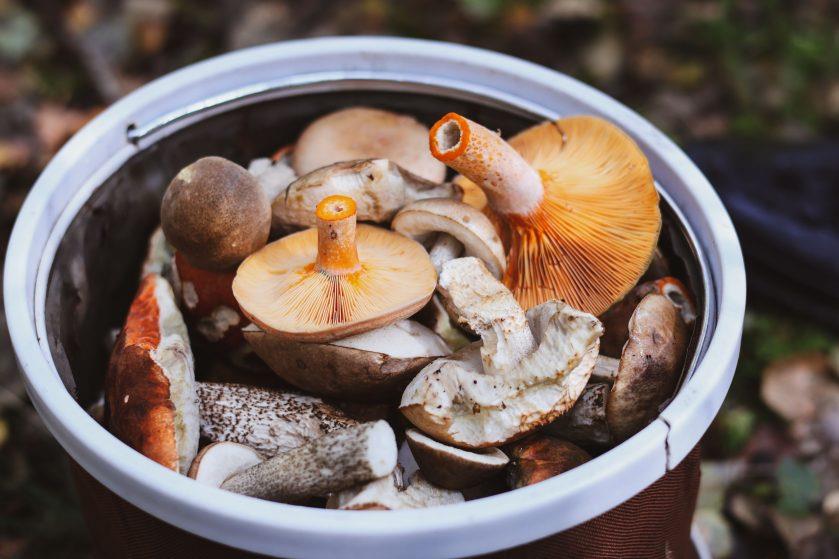
Why Supermarkets Are Suddenly Obsessed With Functional Mushrooms


Strolling down the modern supermarket beverage or vitamin aisle reveals a striking shift that would have seemed entirely out of place a few years ago. Brightly colored cans, powders, gummies, and bottled elixirs proudly feature unusual names like lion's mane, reishi, cordyceps, and chaga right on the front labels. Once confined to niche health food stores or dusty apothecary corners, functional mushrooms have officially taken over mainstream grocery retail. Shoppers are encountering these specialized fungi infused into morning coffees, chocolate bars, broths, and ready-to-drink sparkling tonics.
This sudden retail obsession is not just a passing aesthetic fad cooked up by clever marketers. A massive cultural pivot toward functional wellness and preventative health is driving food manufacturers to completely rethink how everyday groceries can support mental and physical performance. Examining what makes these unique fungi so appealing explains why grocery buyers are clearing massive shelf space for them.
The Shift Toward Goal-Oriented Grocery ShoppingModern consumers approach food shopping with a much higher degree of intention than previous generations did. Instead of looking merely for basic sustenance or standard multivitamins, shoppers increasingly seek targeted functional benefits that fit specific lifestyle goals. People want their morning coffee, afternoon snacks, and evening teas to actively do something productive for their bodies.
Functional mushrooms fit this goal-oriented mindset perfectly because different species offer distinct, highly marketable properties. Lion's mane has captured the attention of students and remote workers looking to support cognitive focus and mental clarity. Reishi appeals to stressed consumers seeking evening calm and better sleep support. Meanwhile, cordyceps attracts fitness enthusiasts looking for natural stamina and physical recovery boosts. This versatility allows supermarkets to market mushroom-infused items across multiple distinct store categories.
Clever Product Formulations and Familiar Delivery SystemsThe biggest barrier to introducing unusual ingredients to the mass market has always been taste, texture, and consumer intimidation. Eating a raw or whole medicinal mushroom can feel daunting for an average shopper accustomed to standard white button varieties. Food scientists and product developers solved this hurdle by hiding functional mushroom extracts inside highly familiar, comforting formats.
Coffee brands blended finely milled mushroom powders into instant and ground roasts, masking the earthy profile beneath robust coffee notes. Beverage companies created sparkling adaptogenic sodas that deliver wellness benefits without tasting like damp forest floors. Furthermore, the explosion of gummies and flavored drink mixes made experimenting with functional fungi as easy as eating candy. By embedding wellness ingredients into daily habits, brands made adoption effortless.
The Influence of Clean-Label and Plant-Based MovementsAs shoppers continue to scrutinize ingredient decks and pull away from heavily synthesized products, natural alternatives gain massive market traction. Functional mushrooms tap directly into the clean-label movemen t, offering a plant-based, whole-food source of antioxidants, beta-glucans, and prebiotic fibers. Consumers looking to reduce their reliance on synthetic energy drinks or artificial sleep aids find comfort in turning to ancient botanicals and fungi that boast centuries of traditional use.
Supermarkets recognize that highlighting natural functional ingredients helps justify higher price points to willing shoppers. Retailers position these items as premium wellness investments rather than basic grocery expenses, boosting profit margins across sluggish categories.
How to Navigate the Mushroom Aisle WiselyWith functional mushroom products commanding premium prices across supermarket shelves, shoppers must remain discerning to avoid expensive marketing traps. Not all mushroom products contain meaningful quantities of the active compounds responsible for those health benefits. Some cheap commercial items rely primarily on grain fillers with minimal actual mushroom extract.
Smart shoppers check labels closely to ensure products specify whether they use the fruiting body or mycelium, and whether third-party testing verifies active beta-glucan levels. Reading past the bold front-label buzzwords ensures you get true nutritional value for your money.
The Long-Term Future of Functional FungiThe massive proliferation of functional mushrooms in mainstream grocery stores signals a permanent evolution in how we view food. As cultivation methods improve and consumer demand stabilizes, these specialized fungi are shifting from a passing trend to a permanent grocery staple. Thoughtful integration of functional foods into your weekly shopping routine can effortlessly boost everyday vitality.
Have you tried any mushroom-infused coffees or functional beverages during your recent grocery trips?
What To Read NextThe Rise of Functional Coffee: What Is Actually in Your Morning Cup
Beyond the Produce Aisle: The Story, Secrets, and Future of the Ultimate Grocery Cult Favorite
The Psychology of the Snack Aisle: Why Processed Categories Face New Pressure
Navigating the Shift From Caloric Volume to Nutrient Density in Your Cart
The“Good Intentions” Grocery Haul: 8 Foods We Buy for the Person We Wish We Were

Legal Disclaimer:
MENAFN provides the
information “as is” without warranty of any kind. We do not accept any
responsibility or liability for the accuracy, content, images, videos,
licenses, completeness, legality, or reliability of the information
contained in this article. If you have any complaints or copyright issues
related to this article, kindly contact the provider above.
Comments
No comment