

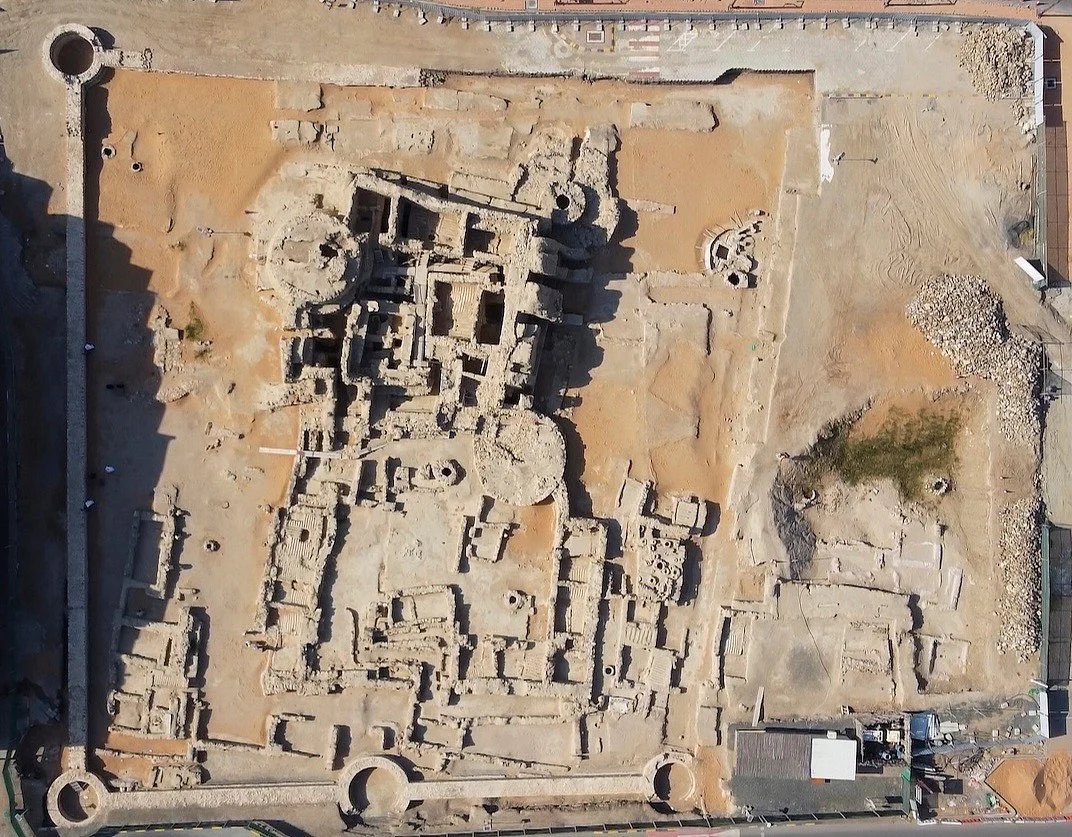
2,000-Year-Old Sharjah Coastal Network Moves Closer To Unesco World Heritage Status


The network includes three historic sites - Dibba Al Hisn, Khor Fakkan and Khor Kalba - which were linked by their roles in trade, shipping and coastal defence along the Oman Sea.
Recommended For YouBeing on the Tentative List marks an important step towards a possible future nomination to the Unesco World Heritage List, while providing a stronger foundation for further research, conservation and protection of the sites.
Stay up to date with the latest news. Follow KT on WhatsApp Channels.
The Sharjah Archaeology Authority said the three sites show how coastal communities played an important role in trade, navigation and defence over different periods of history. Their story stretches back more than two millennia, from the time when the ports became part of Indian Ocean trade routes to the periods of Portuguese control and, later, Al Qasimi rule.
Three sites tell one storyDibba Al Hisn, at the northern end of the network, sits on Dibba Bay near the Musandam Peninsula.
Archaeological excavations at Dibba Fort have uncovered evidence of people living in the area from the Neolithic period through to the 20th century.
Researchers have found workshops where imported glass materials were used to make local vessels, facilities for processing dates and pearls, and a 19th-century site used for salting fish.
The discoveries show that Dibba was not only a place where people lived, but also a busy coastal settlement connected to trade routes linking the Arabian Peninsula with Persia, India, East Africa and the Mediterranean.
Further south is Khor Fakkan, one of the most naturally protected harbours on the eastern coast of the Arabian Peninsula. Its location between the Hajar Mountains and the sea made it an important stop for ships and traders.
Archaeologists have found two main forts, old houses and parts of the historic town wall, including a section more than 155 metres long.
The West Fort also shows how control of the area changed over time. Its remains include an early fortification linked to the Portuguese period, followed by later structures built during periods of Arab and Al Qasimi control.
At the southern end of the network is Khor Kalb, located at the mouth of Kalba Creek and surrounded by mangroves and shallow coastal waters.
Historical records show that Kalba was once a fortified settlement before the Portuguese took control of it in 1624.
The Portuguese built a fort there, parts of which have since been uncovered by archaeologists. The remains include a four-sided enclosure, two round towers and a main entrance.
Later, Kalba became part of the maritime sphere of the Al Qawasim and played a role in supplying ships, defending the coast and regulating movement along the Gulf of Oman Sea.
Together, the three sites show how ports, forts and coastal communities were connected and worked as part of a wider maritime system.
Sheikha Bodour bint Sultan Al Qasimi, Unesco Goodwill Ambassador for Education and Book Culture and Ambassador of the Faya World Heritage Property, said the inclusion of six Sharjah sites on the UAE's Tentative List reflected the emirate's wider efforts to study and preserve its heritage.
She said the importance of the latest addition went beyond the number of sites on the list, pointing to the need to build a long-term system for researching, protecting and presenting Sharjah's heritage to the world.
Eisa Yousif, Director-General of the Sharjah Archaeology Authority, said the latest addition was part of a longer process of research and conservation.
The next stage will focus on further archaeological research and studies to build a stronger understanding of the three sites and their history, he said. This work could help support a future nomination to the Unesco World Heritage List.
The latest move builds on Sharjah's efforts to gain international recognition for its archaeological heritage.
In July 2025, the Faya Palaeolandscape was added to the Unesco World Heritage List, becoming the UAE's second World Heritage site after the Cultural Sites of Al Ain, which were inscribed in 2011.
ALSO READ- Look: Fujairah's Wadi Wurayah added to list of Unesco World Heritage sites Look: From ancient forts to desert rock art, 5 UAE sites added to Islamic heritage list Up to Dh10-million fine, jail for damaging UAE heritage under new draft law

Legal Disclaimer:
MENAFN provides the
information “as is” without warranty of any kind. We do not accept any
responsibility or liability for the accuracy, content, images, videos,
licenses, completeness, legality, or reliability of the information
contained in this article. If you have any complaints or copyright issues
related to this article, kindly contact the provider above.
Comments
No comment