

The Store Brand Is Cheaper - But Is It Actually The Same Product? Check These 5 Things


Walking down the center aisles of any major supermarket, budget-conscious shoppers face a constant psychological tug-of-war at every shelf level. Eye-catching national brand packages adorned with vibrant colors, famous logos, and familiar character mascots sit right next to plain, no-nonsense store-brand alternatives. The price difference can be startling, with generic options frequently slashing costs by twenty to forty percent for what appears to be the same item inside. For families trying to stretch their weekly grocery budget without sacrificing quality, choosing the store brand feels like an easy financial win.
Yet a lingering skepticism often prevents shoppers from committing fully to private-label goods. We have all experienced the disappointment of buying a cheap generic cola or a budget box of cereal that tastes entirely unlike the beloved national favorite. This raises a pressing question that plagues frugal consumers everywhere: is the cheaper store-brand product genuinely identical to its name-brand counterpart, or are you paying for a compromised formulation? Unlocking the truth requires looking past the packaging and evaluating five critical factors before filling your cart.
1. Comparing the Ingredient Deck and SequencingThe most reliable method to determine whether a store brand matches a name-brand product involves a careful side-by-side reading of the ingredient labels. Federal food labeling laws require manufacturers to list ingredients in descending order by weight, meaning the component appearing first makes up the largest proportion of the food. If a national brand pasta sauce lists crushed tomatoes as its primary ingredient, followed by extra-virgin olive oil and fresh garlic, your store brand should reflect a nearly identical sequence.
When you notice that a cheap generic version swaps expensive ingredients for water, high-fructose corn syrup, or modified food starch near the top of the list, you are looking at a fundamentally different product. A cheaper price tag achieved by diluting premium components with low-cost fillers is not a bargain-it is a recipe for culinary disappointment. Always verify that the core active components match before assuming the store brand is a direct substitute.
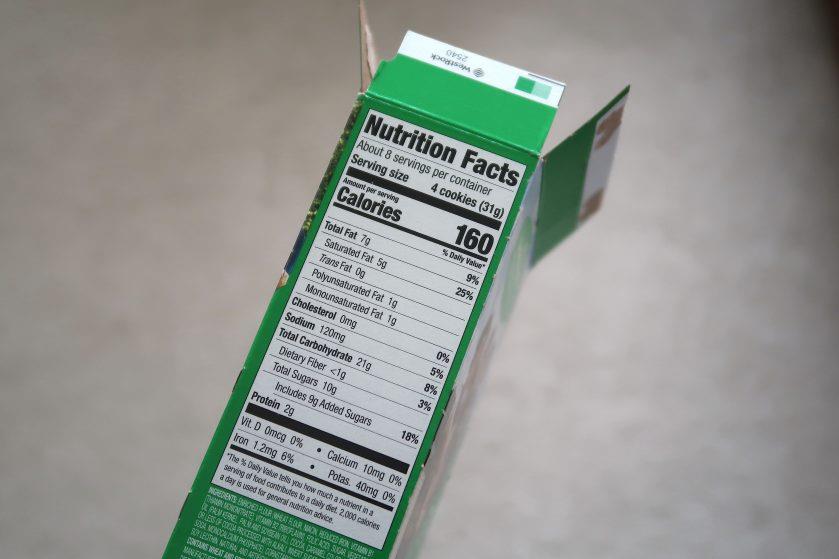
2. Inspecting Nutritional Panels and Macro BreakdownsBeyond the ingredient list, the nutrition facts panel provides objective, mathematical proof regarding whether two competing products share a similar nutritional profile. Flip the boxes over and compare calories, total fats, sodium levels, dietary fiber, and protein content per serving down to the exact gram. For staple commodities like rolled oats, granulated sugar, salt, flour, and white rice, the nutritional data should match up identically because the underlying agricultural commodity is the same.
However, for processed foods like canned soups, frozen dinners, and breakfast cereals, significant nutritional variances often emerge between brands. A store-brand soup might boast a lower price tag because it contains double the sodium and half the chicken content of the national competitor. If your goal is maintaining a healthy diet while cutting costs, ensuring the nutritional macros remain comparable prevents you from sacrificing health for savings.
3. Investigating the True Manufacturer Behind the LabelA common misconception among shoppers is that massive supermarket chains like Walmart, Kroger, or Aldi operate massive manufacturing plants that produce every single item bearing their store name. In reality, private-label manufacturing is a sophisticated industrial network where major food corporations produce both their own famous name brands and generic store brands simultaneously. The exact same factory churning out premium national brand crackers on a Tuesday morning might switch the packaging conveyor belt over to a store-brand box on Tuesday afternoon, using the exact same dough and baking lines.
Discovering who actually manufactures a specific store-brand item often requires sleuthing, such as checking plant codes printed near the expiration date or researching corporate supply chain disclosures. When a reputable national manufacturer packs the private-label item, you are essentially buying the name-brand product without the expensive marketing markup. Recognizing these hidden manufacturing partnerships gives you the confidence to stock up on generic alternatives.
4. Understanding Quality Grading StandardsAgricultural commodities like butter, eggs, maple syrup, beef, and canned fruits are subjected to rigorous federal quality grading standards set by agricultural agencies. For example, butter sold in the United States is graded AA, A, or B based on flavor, body, color, and texture, with Grade AA representing the highest standard of dairy craftsmanship. A store-brand butter that proudly displays a USDA Grade AA shield on the package meets the exact same strict quality benchmarks as an expensive national brand butter sitting right beside it.
Similarly, canned peaches are graded based on uniformity, tenderness, and syrup density. When a store-brand agricultural product meets the highest federal grading tier, paying extra for a famous name brand buys you nothing more than brand recognition. Learning how to read official quality grades empowers you to bypass expensive marketing premiums and secure top-tier goods for less.
5. Testing Return Policies and Small-Scale TrialsThe ultimate test of any grocery product is how it performs in your home kitchen and whether your household actually enjoys consuming it. Because taste preferences are deeply subjective, two products with identical ingredients and nutrition panels can still evoke different reactions at the dinner table. When trying a new store brand for the first time, smart shoppers practice moderation by purchasing a single unit rather than stocking up on a bulk supply.
Furthermore, major grocery chains and warehouse clubs offer remarkably generous satisfaction guarantees on their private-label goods, often promising a full refund if you are not completely satisfied. If a store-brand coffee tastes bitter or a generic laundry detergent fails to clean properly, taking advantage of these return policies removes the financial risk of experimentation. Running small-scale trials allows you to build a personalized list of trusted store-brand swaps that permanently shrink your monthly grocery bills.
Smarter Shopping Through Strategic ComparisonsNavigating the modern supermarket requires shaking off the assumption that higher prices automatically equate to superior quality. By examining ingredient lists, nutrition panels, manufacturing roots, and quality grades, you can easily separate brilliant budget bargains from disappointing compromises. Strategic store-brand swapping transforms your weekly grocery routine into a masterclass in financial efficiency.
What store-brand grocery item have you tried that actually tasted better than the expensive name-brand version?
What To Read NextFrom PFAS to Microplastics: What Tests Found in 9 Popular Water Brands
What to Know About Store-Brand Recall Checks Shoppers Often Forget
A Closer Look at Generic Grocery Items That Can Beat Name Brands on Value
Store Brands Winning More Shoppers in 2026
The Name-Brand Grocery Trap: 5 Items You Should Swap for Store Brands Today
Legal Disclaimer:
MENAFN provides the
information “as is” without warranty of any kind. We do not accept any
responsibility or liability for the accuracy, content, images, videos,
licenses, completeness, legality, or reliability of the information
contained in this article. If you have any complaints or copyright issues
related to this article, kindly contact the provider above.
Comments
No comment