

403
Sorry!!
Error! We're sorry, but the page you were looking for doesn't exist.
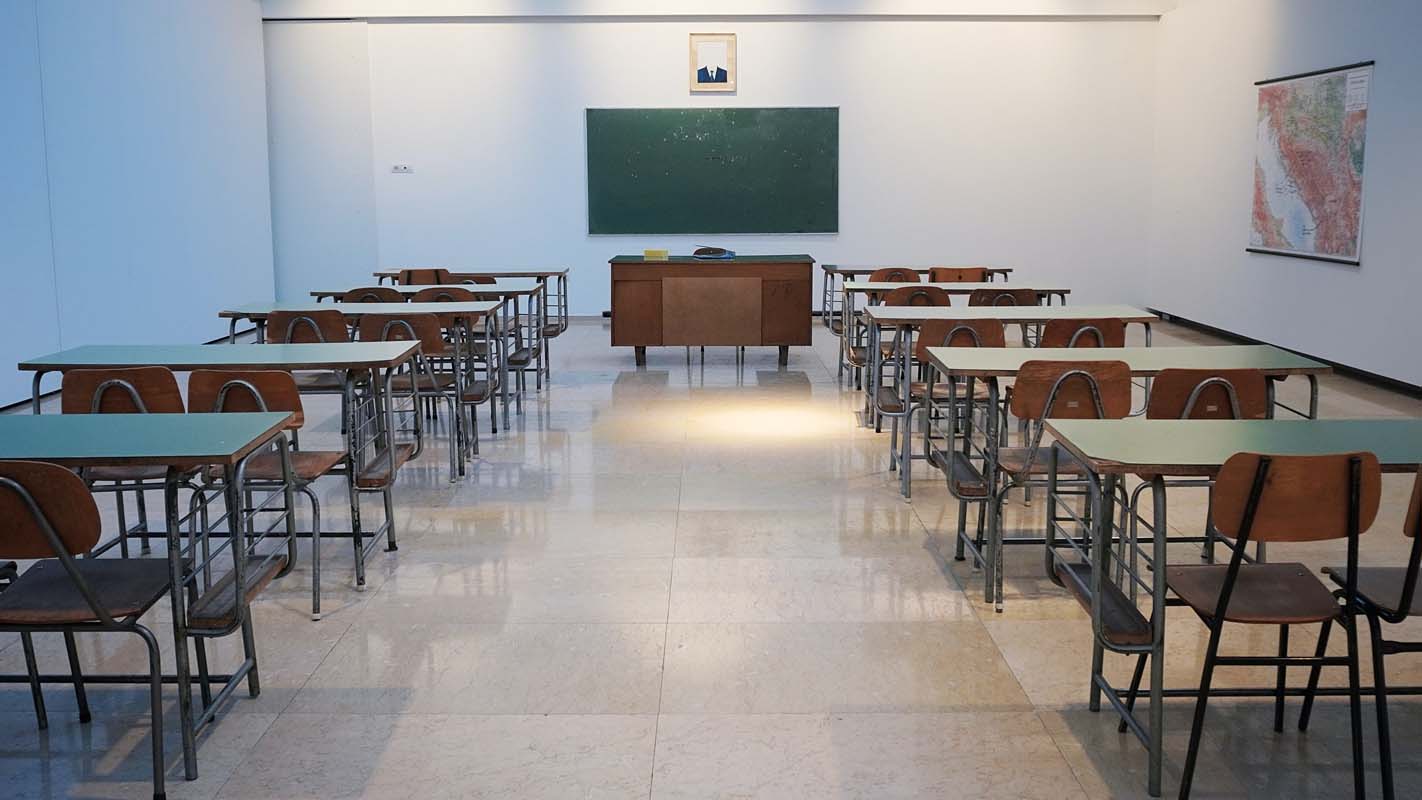
German Students Record Sharp Decline in PISA Performance


(MENAFN) German 15-year-olds achieve their lowest-ever results in the OECD’s PISA assessments, with roughly one-third failing to demonstrate basic skills in reading and mathematics, according to findings released Tuesday.
The latest assessment gives German students an average score of 486 points in science, 465 in reading and 464 in mathematics. Performance in reading and mathematics falls compared with 2022, while science results remain broadly unchanged. Around one in four students also fails to demonstrate basic proficiency in science.
“What we are seeing today is, without any doubt, an alarming finding,” Education Minister Karin Prien told reporters in Berlin. “Too many young people are failing to achieve the basic competencies required for their future educational paths,” she said, pointing to social media, artificial intelligence and the challenging circumstances faced by students from disadvantaged socioeconomic backgrounds as significant concerns.
The Program for International Student Assessment (PISA) evaluates how effectively 15-year-olds apply what they learn to practical situations, including interpreting lengthy emails, comparing prices and understanding charts.
Around 6,700 students from approximately 250 schools across Germany participate in the 2025 assessment during the spring. Globally, the latest testing cycle involves about 760,000 students across 91 countries and economies.
The latest assessment gives German students an average score of 486 points in science, 465 in reading and 464 in mathematics. Performance in reading and mathematics falls compared with 2022, while science results remain broadly unchanged. Around one in four students also fails to demonstrate basic proficiency in science.
“What we are seeing today is, without any doubt, an alarming finding,” Education Minister Karin Prien told reporters in Berlin. “Too many young people are failing to achieve the basic competencies required for their future educational paths,” she said, pointing to social media, artificial intelligence and the challenging circumstances faced by students from disadvantaged socioeconomic backgrounds as significant concerns.
The Program for International Student Assessment (PISA) evaluates how effectively 15-year-olds apply what they learn to practical situations, including interpreting lengthy emails, comparing prices and understanding charts.
Around 6,700 students from approximately 250 schools across Germany participate in the 2025 assessment during the spring. Globally, the latest testing cycle involves about 760,000 students across 91 countries and economies.

Legal Disclaimer:
MENAFN provides the
information “as is” without warranty of any kind. We do not accept any
responsibility or liability for the accuracy, content, images, videos,
licenses, completeness, legality, or reliability of the information
contained in this article. If you have any complaints or copyright issues
related to this article, kindly contact the provider above.
Comments
No comment