

When Weddings Become Battlefields, The Laws Of War Begin To Fail


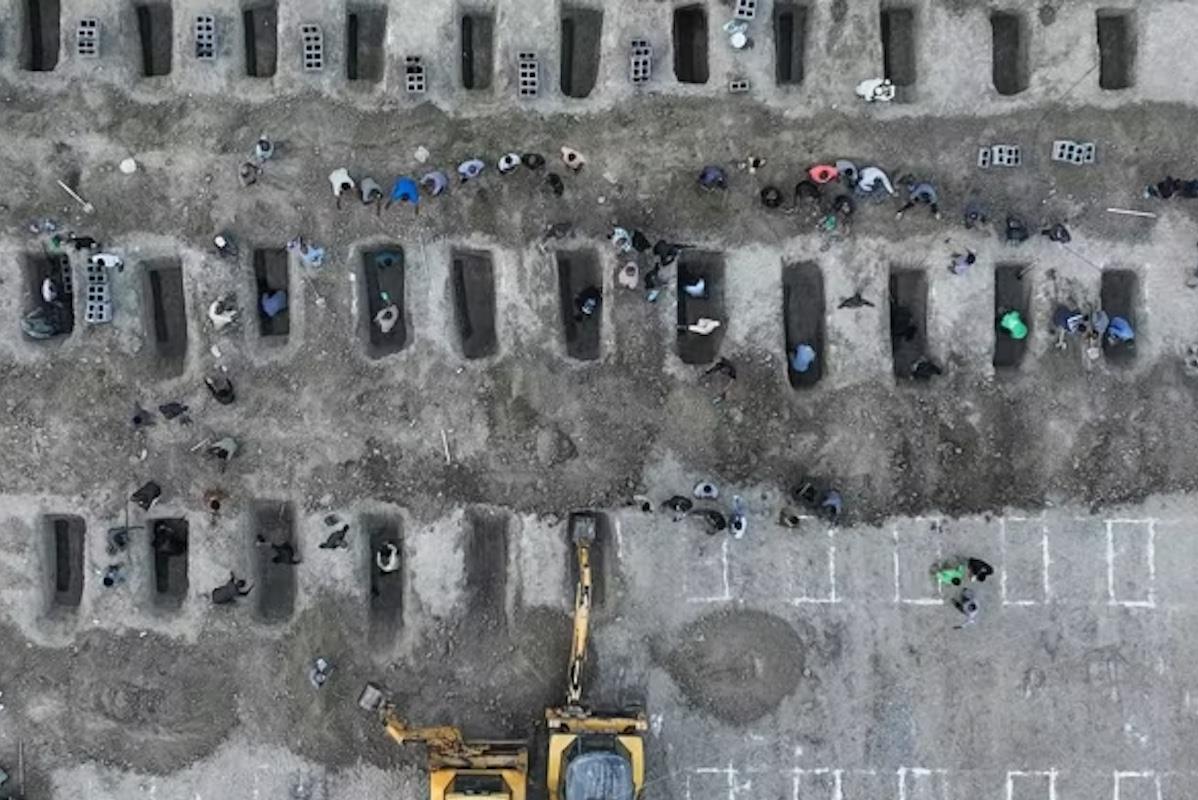
Associated Press reporters who visited the town documented extensive damage and civilian suffering. Reuters later reported that imagery, debris, and weapons assessments were consistent with a direct hit by a US munition, while US officials said the incident was under review. The immediate facts matter. But the larger question is already unavoidable: What happens to the laws of war when civilian spaces repeatedly become part of the battlefield?
The significance of Kuhestak extends beyond the number of casualties or the identity of the weapon. The deeper danger is what incidents like this can do to the norms meant to limit warfare. If homes, schools, hospitals, wedding gatherings, or refugee sites are repeatedly treated as tolerable consequences of military necessity, the distinction between battlefield and civilian life begins to lose practical meaning.
International humanitarian law was designed precisely to prevent that erosion. Its rules do not make war safe, and they do not prohibit every attack that may harm civilians. They do, however, require parties to distinguish between civilians and military objectives, prohibit attacks expected to cause excessive incidental civilian harm in relation to the concrete and direct military advantage anticipated, and require feasible precautions to minimize civilian loss.
The principles of distinction, proportionality, and precaution are not political preferences. They are the legal architecture intended to preserve a minimum boundary between military necessity and human life.

Legal Disclaimer:
MENAFN provides the
information “as is” without warranty of any kind. We do not accept any
responsibility or liability for the accuracy, content, images, videos,
licenses, completeness, legality, or reliability of the information
contained in this article. If you have any complaints or copyright issues
related to this article, kindly contact the provider above.
Comments
No comment