

Jordanian Students Show Significant Gains In 2025 PISA Assessment


Amman, Sept. 8 (Petra) -- Jordanian students recorded significant improvements in science, mathematics and reading in the 2025 Program for International Student Assessment (PISA), with the country posting the largest gains among participating Arab countries with comparable data.
The Organisation for Economic Co-operation and Development (OECD), which oversees PISA, announced the results of the 2025 cycle. The international assessment measures the ability of 15-year-old students to apply their knowledge and skills in real-life situations across three main areas: science, mathematics and reading.
The results showed that Jordan's average score in science rose from 375 points in 2022 to 407 in 2025, while the mathematics score increased from 361 to 388 and reading literacy from 342 to 363, representing gains of 32, 27 and 21 points, respectively. The improvements were statistically significant in all three areas.
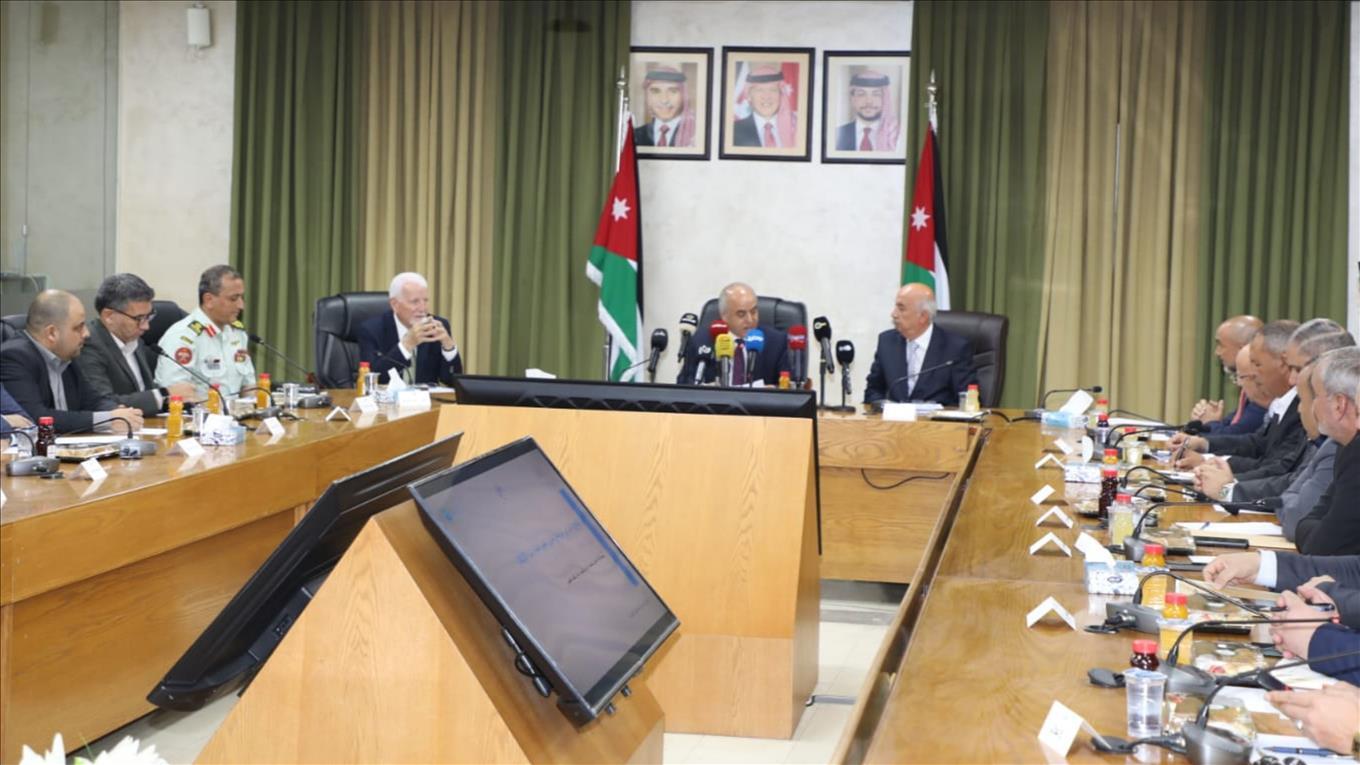
During a Ministry of Education press conference Tuesday, Minister of Education and Human Resources Development Azmi Mahafza said the improved performance places greater responsibility on the ministry to sustain the progress and achieve better results in future PISA cycles.
Mahafza attributed the improvement to cumulative efforts by ministry staff and teachers, particularly since the COVID-19 pandemic, as well as ongoing curriculum development and remedial programs designed to improve student performance.
The PISA report highlighted the need to sustain improvement, particularly in reading and mathematics, increase the proportion of students reaching basic proficiency levels, and further narrow performance gaps between student groups and schools. Mahafza identified reading literacy as the main challenge ahead, saying the ministry is developing a comprehensive strategy to strengthen students' skills in this area.
He stressed that educational reform requires time before its impact becomes evident in student outcomes, expressing optimism that Jordan will continue to improve its performance in international assessments.
He said student achievement is influenced by several factors, particularly the school environment, teacher training and curriculum development, adding that the results reinforce the need to continue implementing educational development plans and programs.
The minister noted that more than 12,000 teachers have so far completed training and professional development programs, in addition to teachers who have graduated from the Queen Rania Teacher Academy. The ministry aims to increase the number benefiting from such programs to about 16,000 over the next three years, bringing the total number of teachers receiving training and professional development to around 60,000, including those who have participated in programs before or during their service.
Mahafza also described curriculum development as an ongoing process aimed at raising the quality of education and improving learning outcomes, which would ultimately be reflected in student performance on national and international assessments.
The 2025 results also showed that Jordan's improvement was notable in the regional context. Among Arab countries participating in the assessment for which comparative data was available, Jordan recorded the largest improvement across all three areas.
Jordan also improved its ranking among participating countries and education systems in science, mathematics and reading compared with 2022, indicating that the gains were reflected not only in average scores but also in the country's relative position.
At the Arab level, Jordanian students scored an average of 407 points in science, compared with an Arab average of 395, and 388 points in mathematics, compared with 385. In reading, Jordan recorded 363 points against an Arab average of 365, placing the country above the Arab average in science and mathematics and close to it in reading.
The results further indicated progress in reducing performance gaps within the education system. The gap between rural and urban students narrowed in all three areas compared with 2022, while the gender gap also decreased. Female students continued to outperform males in all three areas, with the largest difference recorded in reading.
The gap between students from different socioeconomic backgrounds also narrowed. The difference in performance between students in the highest and lowest socioeconomic quartiles decreased across all three areas, most notably in reading, pointing to progress in one aspect of equity in learning outcomes.
Public schools recorded particularly notable gains in the 2025 cycle. Their average science score increased from 365 points in 2022 to 400 in 2025, mathematics rose from 353 to 382, and reading increased from 332 to 358.
The improvement in public schools exceeded that recorded by special education schools over the same period, while the performance of UNRWA schools remained broadly stable or declined slightly, depending on the subject.
//Petra// AJ

Legal Disclaimer:
MENAFN provides the
information “as is” without warranty of any kind. We do not accept any
responsibility or liability for the accuracy, content, images, videos,
licenses, completeness, legality, or reliability of the information
contained in this article. If you have any complaints or copyright issues
related to this article, kindly contact the provider above.
Comments
No comment