

In Junior Sports, It's All About Having Fun Then Something Changes. We Set Out To Find Out Why


It can also change the atmosphere around the grounds, especially in older junior age groups.
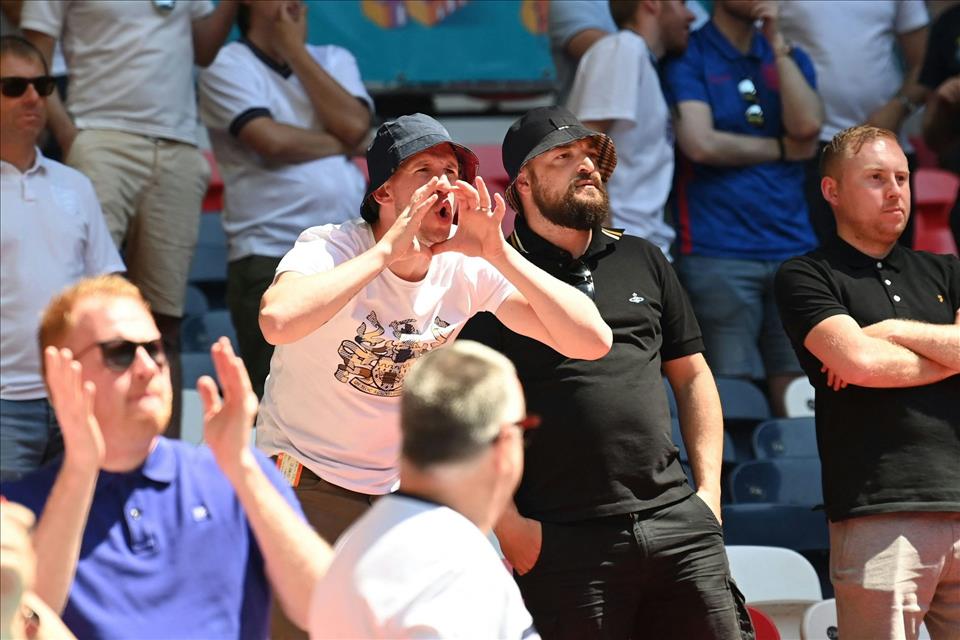
We have researched adult sideline behaviour at junior sports. The young athletes are rarely the problem – parents, coaches and officials must create more supportive cultures to reduce inappropriate behaviour.
We researched sideline behaviourWatch children playing sport at ages five or six and the message from adults is usually simple: have fun, have a go and enjoy being with your friends.
Move up the age groups and things can change: results matter more. Players are compared. Representative teams are selected. Finals arrive.
Encouragement does not disappear but the environment can change. And sometimes behaviour changes with it.
Our recent research into adult sideline behaviour in junior rugby league provides an example.
We found younger age groups were largely characterised by praise, encouragement and family-oriented interactions. At older junior teams, there was more swearing, criticism and aggressive behaviour.
One participant from our study, involved in an under-16 side, said:
Although this may be the norm, players did highlight that it can negatively impact them. One under-16 athlete said:
This does not mean children getting older causes poor behaviour. The more interesting question is what changes around young athletes as they progress.
This isn't a 'bad parent' problemAs competition becomes more serious, adults can perceive different messages about what matters. Performance, winning and selection become more prominent. Behaviours that might seem ridiculous at an under-7 game can gradually become accepted as part of being“competitive”.
This matters because children are watching.
Social learning theory helps explain why. Put simply, we learn how to behave by watching others and seeing what gets accepted, reinforced or challenged.
We can tell children to respect officials. But if adults openly criticise an umpire's decisions every weekend, that behaviour may teach the stronger lesson.
Adults learn from the environment too. Parents observe other parents. Coaches influence the emotional tone of the sideline. Everyone sees what clubs challenge and what they let pass.
Over time, behaviour that once stood out as inappropriate can become normal.
That is why we should be careful about framing this as a“bad parent” problem.
Poor adult behaviour is not always someone screaming abuse from behind the fence. Pressure can be less visible: an overly critical car ride home, comparing a child's performance with teammates, or responding differently depending on how they played.
What can be done?So what should sports do?
The usual response is familiar: another awareness campaign, code of conduct, signs around the ground, fines or bans.
Serious misconduct requires consequences. But punishment happens after the behaviour. And awareness should not be confused with behaviour change.
Decades of research into sport parenting should make us question whether simply telling people how to behave is enough.
Instead, we need to invest further upstream.
Our 2025 study examined how clubs interact with families at the beginning of the sporting season in under-10 through to under-17 competitions. We spent 320 hours observing Australian football, netball, swimming and tennis, and interviewed 41 parents, coaches and club leaders.
Many parents began the season with surprisingly little face-to-face interaction with their club. Onboarding often involved registration information, fees, schedules and emails. Yet parents valued something more human: being welcomed, knowing their coach, having opportunities to ask questions and feeling their contribution was recognised.
That matters for sideline behaviour. We cannot expect parents to understand and adopt a club's culture if we have done little to bring them into it.
Rather than waiting for something to go wrong and reaching for a code of conduct, clubs can build relationships and expectations from the beginning:
- how are families welcomed? does someone explain what the club stands for? do coaches know parents? are parents thanked? are there opportunities to talk before frustration builds?
And onboarding should not end at registration. Every game is another opportunity to reinforce the culture.
Even the way we start games could change. Imagine parents, coaches and officials briefly coming together before a junior game to establish a relationship. A coach or official could say something like:
Cultures can be improvedIt sounds simple. But culture is built through repeated interactions that tell people what is normal and expected.
The same social processes that can normalise criticism and aggression can also normalise encouragement, gratitude and respect.
We should intervene when someone crosses the line but our ambition should be bigger than reducing the number of parents who end up at tribunals.
The goal should be sporting environments where positive behaviour becomes the easiest and most normal way to participate.
If culture helps produce the behaviour we see on our sidelines, changing that culture has to be part of the solution.


Legal Disclaimer:
MENAFN provides the
information “as is” without warranty of any kind. We do not accept any
responsibility or liability for the accuracy, content, images, videos,
licenses, completeness, legality, or reliability of the information
contained in this article. If you have any complaints or copyright issues
related to this article, kindly contact the provider above.
Comments
No comment