

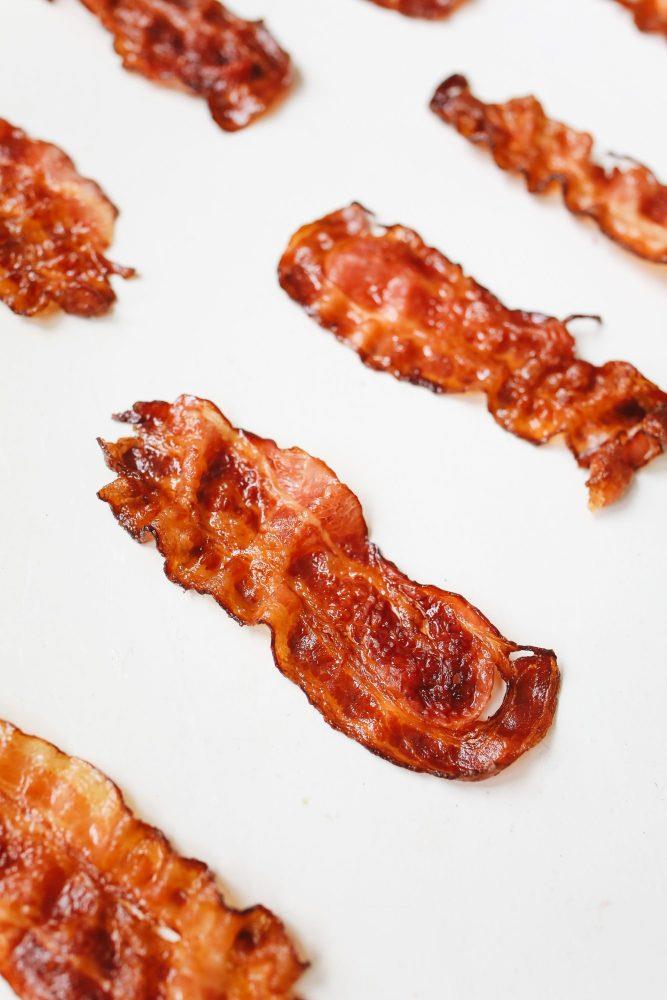
Bacon, Hot Dogs And Deli Meat Keep Showing Up In Dementia Research - Here's What Scientists Have Found


The implications of these findings extend far beyond standard dietary advice about heart disease or weight management, touching directly upon brain longevity. As global populations age and neurodegenerative conditions like Alzheimer's disease become increasingly prevalent, researchers are racing to identify modifiable lifestyle factors. Diet represents one of the most powerful and controllable variables in human health, making food choices a primary target for preventative medicine. Reviewing the accumulating data on bacon, hot dogs, and deli slices helps clarify why public health advocates urge moderation.
The Landmark Studies Tracking Dietary PatternsTo understand how processed meats impact cognitive function, epidemiologists rely on massive prospective cohort studies that follow participants over many years. Researchers at prominent institutions, including Harvard T.H. Chan School of Public Health, have repeatedly analyzed data from long-running health initiatives like the Nurses' Health Study and the Health Professionals Follow-up Study. These extensive projects track participants' dietary intake through detailed food frequency questionnaires administered every few years, monitoring their cognitive trajectories over decades.
The results consistently show that individuals who consume higher quantities of processed meats experience a faster rate of cognitive decline compared to those with minimal intake. In some analyses, researchers calculated that swapping just a daily serving of processed meat for a healthier protein source could significantly lower the risk of developing cognitive impairment. While observational studies cannot prove direct causation on their own, the sheer consistency of the data across diverse populations and geographic regions commands serious scientific attention. The statistical signal linking processed meats to brain aging is too robust to dismiss as a mere coincidence.
Nitrites, Nitrates, and Chemical PreservationA primary culprit drawing suspicion from food scientists and toxicologists is the method used to cure and preserve meats like hot dogs, salami, and bacon. To achieve that familiar pink hue and extend shelf life on crowded supermarket shelves, manufacturers rely heavily on sodium nitrite and nitrate additives. When these chemical compounds enter the acidic environment of the human stomach, they can react with amines to form a class of potent chemicals known as nitrosamines.
Laboratory and animal studies have demonstrated that nitrosamines possess neurotoxic and carcinogenic properties capable of damaging cellular structures over time. Furthermore, these reactive chemical byproducts can cross the blood-brain barrier, potentially triggering oxidative stress and neuroinflammation within delicate neural tissue. Chronic low-grade inflammation in the brain is a recognized hallmark of neurodegenerative diseases, creating a plausible biological mechanism for how preserved meats accelerate cognitive decline. The chemical additives designed to keep food safe on the shelf may pose unexpected long-term risks to cellular health.
The Heavy Toll of Advanced Glycation End ProductsBeyond added preservatives, the high-heat cooking methods frequently used to prepare processed meats introduce another layer of biochemical risk for the brain. Frying bacon on a hot skillet or grilling hot dogs over an open flame generates a high concentration of Advanced Glycation End Products, commonly referred to as AGEs. These harmful compounds form when proteins or fats combine with sugars in the absence of water during intense thermal processing.
When humans consume high levels of dietary AGEs, the body struggles to eliminate them, leading to their accumulation in tissues throughout the circulatory and nervous systems. AGEs are known to promote cellular inflammation, stiffen blood vessel walls, and accelerate the formation of amyloid-beta plaques in the brain, which are closely linked to Alzheimer's pathology. Regular consumption of charred or heavily fried processed meats floods the body with these oxidative stress agents. Minimizing exposure to high-AGE foods offers a practical strategy for protecting both cardiovascular and neurological vitality.
Sodium, Blood Pressure, and Vascular DementiaIt is impossible to discuss processed meats without addressing their exceptionally high sodium content, which exerts a profound negative effect on the cardiovascular system. Maintaining healthy brain function depends entirely on a robust network of clean, flexible blood vessels capable of delivering a continuous supply of oxygen-rich blood. High dietary sodium intake is a primary driver of hypertension, a condition that severely damages small blood vessels throughout the body, including the intricate microvasculature of the brain.
When chronic high blood pressure damages cerebral blood vessels, areas of the brain can suffer from micro-strokes and reduced perfusion, directly paving the way for vascular dementia. Vascular dementia is the second most common form of cognitive decline, characterized by step-wise losses in executive function and memory. By continuously elevating blood pressure, daily consumption of salty deli meats and hot dogs quietly erodes the structural integrity of the brain's circulatory support system. Protecting your heart through low-sodium eating habits is, by extension, one of the best ways to protect your mind.
The Gut-Brain Axis and Microbiome DisruptionModern neurological researc increasingly highlights the profound connection between digestive health and cognitive performance, known scientifically as the gut-brain axis. The trillions of microbes residing in the human gastrointestinal tract produce neurotransmitters, regulate immune responses, and influence systemic inflammation levels. Diets heavy in processed meats, saturated fats, and chemical preservatives have been shown in clinical studies to alter the composition of the gut microbiome negatively.
When harmful bacterial strains outnumber beneficial microbes due to poor dietary inputs, the intestinal lining can become compromised, leading to increased intestinal permeability. This phenomenon, often called leaky gut, allows inflammatory byproducts to enter the bloodstream and trigger widespread systemic inflammation that eventually reaches the central nervous system. Disrupting the delicate balance of the gut microbiome through daily consumption of cured meats can thus impair cognitive resilience from the inside out. Nurturing a diverse, healthy microbiome with fiber-rich whole foods helps safeguard neurological well-being.
Navigating Practical Dietary SwapsTranslating scientific findings about processed meats into everyday kitchen habits does not require adopting an austere or joyless diet overnight. Small, deliberate substitutions can dramatically reduce your cumulative intake of preservatives, sodium, and AGEs without sacrificing flavor or convenience. Instead of packing a sandwich with processed deli turkey or salami, try batch-cooking fresh chicken breasts or roast beef at home to slice for weekday lunches.
When weekend breakfast cravings strike, swapping traditional bacon for plant-based alternatives

Legal Disclaimer:
MENAFN provides the
information “as is” without warranty of any kind. We do not accept any
responsibility or liability for the accuracy, content, images, videos,
licenses, completeness, legality, or reliability of the information
contained in this article. If you have any complaints or copyright issues
related to this article, kindly contact the provider above.
Comments
No comment