

8 Whole Foods Foods Recalled This Month That Shoppers May Still Have At Home


Shopping at upscale supermarkets gives consumers a sense of security, assuming that higher price points equate to rigorous safety controls. Yet even premium national retailers find themselves vulnerable to sprawling agricultural contamination events that originate miles away. Federal health agencies recently tracked a multi-state Salmonella outbreak directly back to contaminated fresh jalapeño peppers. Because major grocery chains rely on complex distribution networks to supply their fresh prep counters, the tainted produce quickly infiltrated commercial kitchens. Whole Foods Market was forced to issue a voluntary recall covering dozens of in-house prepared dips, salsas, and meal components sold across multiple states.
For everyday shoppers who love grabbing convenient pre-made guacamole or fresh pico de gallo for a weekend gathering, these announcements often arrive too late. Specialty deli items frequently sit in home refrigeration crisper drawers for days after purchase, long past the initial public warning window. Reviewing the specific product lines impacted by these sweeping safety alerts helps ensure that forgotten containers do not linger on refrigerator shelves. Understanding the scope of these recalls protects household health while navigating unexpected food safety hazards.
1. Mild and Spicy House-Made Guacamole DipsWhole Foods' fresh deli counters are famous for churning out batches of handmade guacamole using ripe Hass avocados and chopped vegetables. Unfortunately, several variations of their signature mild and spicy guacamole lines were directly implicated in the jalapeño-linked contamination sweep.
Both standard variations and tomato-free options packaged in extra-small and small container sizes fell under the mandatory recall umbrella. Because fresh avocado dips lack heavy chemical preservatives, consumers often stock up on them for quick weekday snacks without realizing the hidden risks. Checking container barcodes and expiration dates for batches distributed across Midwestern and southern regional stores remains critical.
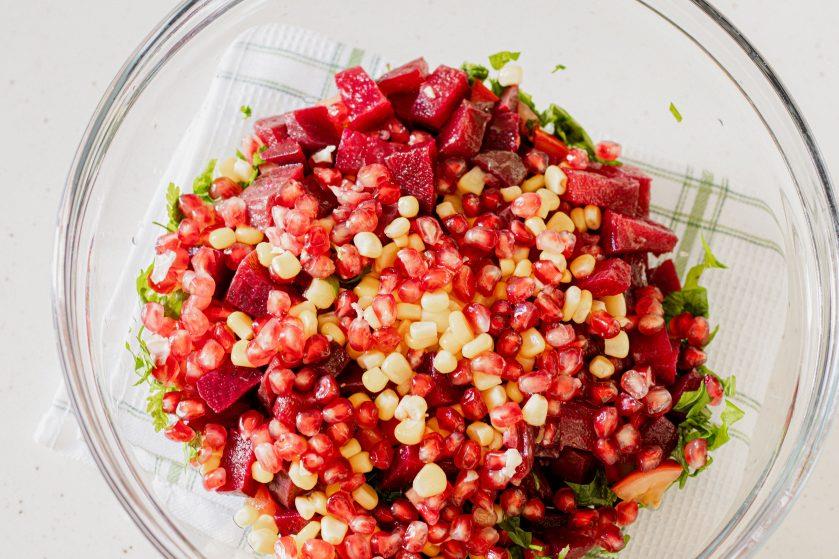
2. Specialty Pomegranate and Roasted Corn GuacamoleTo offer seasonal flair, the retailer frequently introduces specialty flavor combinations that blend traditional avocado bases with unexpected mix-ins. Varieties like pomegranate guacamole and roasted corn guacamole were heavily featured in the mid-summer deli product rotation. These distinct flavor profiles unfortunately shared supply chain touchpoints with the recalled pepper shipments, triggering immediate inventory pulls. Shoppers who purchased these gourmet dips for summer barbecues or family gatherings may still have empty or half-finished tubs tucked away in the back of a fridge. Disposing of these items immediately prevents accidental exposure to harmful bacterial strains.
3. Fresh Mild and Medium Pico de GalloPico de gallo relies entirely on a raw blend of diced tomatoes, onions, cilantro, and fresh jalapeños to achieve its bright, zesty flavor profile. Because the recipe features raw peppers without any cooking or pasteurization process, it acts as a direct vector for foodborne pathogens. Standard sixteen-ounce containers of mild pico de gallo sold across regional store networks were flagged during routine health agency tracebacks. The absence of heat treatment means any bacteria present on the raw ingredients survives right up until the moment of consumption. Finding one of these tubs in your refrigerator warrants an immediate trip to the trash bin.
4. Mango Pineapple and Tropical SalsasSweet and savory fruit salsas offer a popular pairing for grilled seafood, chicken dishes, and tortilla chips during warm weather months. Varieties including mango pineapple salsa and tropical mild salsa produced in-store were caught in the wide-reaching safety net. Even though the primary flavor components lean toward sweet tropical fruits, the inclusion of diced peppers for subtle heat introduced the contamination vector. These items went extensively to online pickup customers and walk-in shoppers across more than a dozen states. Reviewing your purchase history helps confirm whether your kitchen received any of these batches.
5. Heirloom Tomato and Tomatillo SalsasTraditional red and green salsas made with heirloom tomatoes and tart tomatillos form the backbone of the retailer's refrigerated snack set. Several container sizes of heirloom tomato salsa, tomatillo salsa, and salsa fresca roja faced immediate removal from store display cases.
The extensive list of affected UPCs demonstrates how deeply a single contaminated ingredient can penetrate a deli department's daily production schedule. Consumers who enjoy keeping a jar of authentic salsa on hand for quick meals should inspect their refrigerator inventory right away.
6. Multi-Variety Deli Dip TriosFor shoppers looking for variety, pre-packaged dip trios combining pico de gallo, guacamole, and traditional salsa into a single divided container are a frequent cart addition. These convenient party platters are in the safety recall due to the presence of the suspect jalapeños in multiple compartments. Because these platters combine several distinct fresh items under one lid, a single contaminated element compromises the entire package. Households that bought entertaining trays for weekend guests should verify product codes before assuming any single section is safe to eat.
7. Prepared Caribbean Mango Pineapple Turkey BurgersContaminated produce does not just affect standalone dips. It frequently travels into fully prepared, multi-component meals sold in the grab-and-go section. Turkey burger meals featuring a Caribbean mango pineapple glaze and salsa condiment were taken from shelves. These ready-to-heat dinner options paired cooked poultry patties with fresh fruit salsa toppings that incorporated the recalled peppers. Finding one of these pre-packaged meals in your home freezer or fridge means you should avoid consumption and request a refund.
8. Specialty Deli Condiment Cups and Side PortionsBeyond large retail tubs, individual condiment cups served alongside prepared turkey burgers and deli sandwiches fell under the federal safety advisory. These small auxiliary portions are easy to overlook when cleaning out household refrigeration units after a busy week. Ensuring kitchen safety requires checking every corner of your fridge for stray condiment containers carrying affected distribution dates. Returning any flagged items with a valid receipt secures a full refund at customer service.
Protecting Your Kitchen From Hidden PathogensNavigating sudden multi-state food recalls requires constant vigilance from consumers who trust major retailers to keep supply chains secure. When widespread contamination events occur, checking official regulatory notices helps prevent dangerous foodborne illnesses before they strike.
Actively inspecting your refrigerator and disposing of recalled items guarantees your household stays safe. Staying informed turns routine grocery shopping into a secure and predictable experience.
What methods do you use to stay updated on sudden grocery store product recalls?
What To Read Next
The Best Grocery Store Food Courts That Put Fast-Food Chains to Shame
8 Grocery Chains Affected by This Summer's Jalapeño Salmonella Recall
Trader Joe's Names Prabash Coswatte as New Chief Information Officer

Legal Disclaimer:
MENAFN provides the
information “as is” without warranty of any kind. We do not accept any
responsibility or liability for the accuracy, content, images, videos,
licenses, completeness, legality, or reliability of the information
contained in this article. If you have any complaints or copyright issues
related to this article, kindly contact the provider above.
Comments
No comment