

Pour Creamer Until The Coffee Changes Color? You May Be Getting More Sugar Than You Think


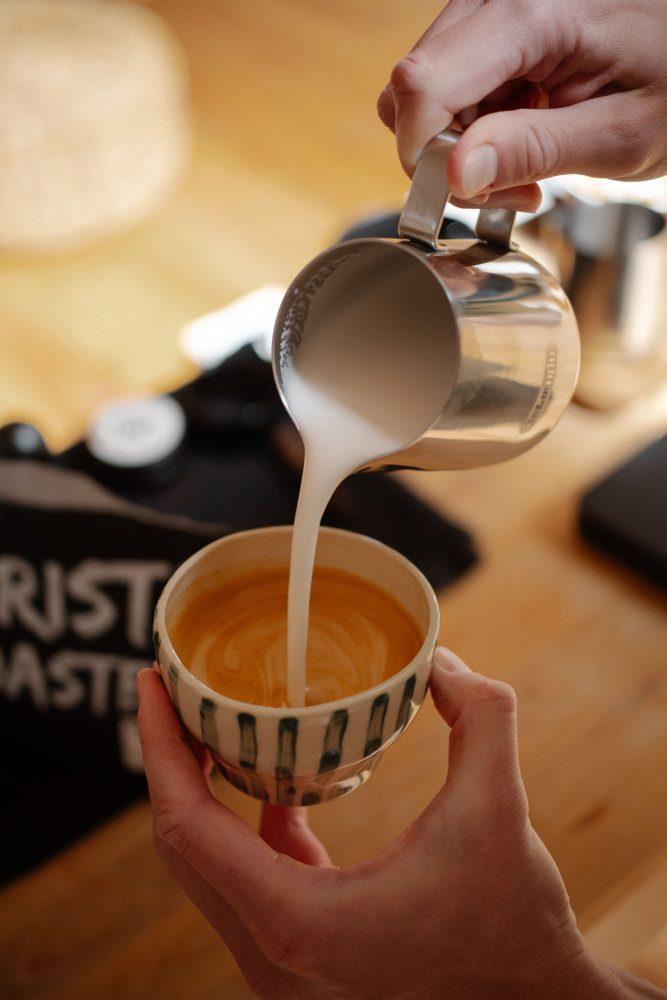
The morning ritual begins with brewing a hot pot of coffee and transforming it with a generous splash of flavored creamer. Many coffee lovers operate on autopilot, pouring creamer straight from the bottle until the dark roast shifts into a comforting, light tan shade. It feels like a harmless culinary habit designed to make a bitter morning brew smooth and palatable. Yet relying on visual cues rather than measured serving sizes can introduce a shocking amount of hidden sugar into your diet. Commercial creamers are frequently engineered with heavy syrups, artificial oils, and dense caloric loads that add up faster than most consumers realize. Examining the nutritional reality behind your morning pour helps bridge the gap between cozy comfort and mindful dietary choices.
The psychological comfort associated with morning coffee routines runs deep, often serving as a tranquil anchor before the chaos of the workday begins. During these quiet morning moments, few people want to feel like meticulous calorie accountants measuring liquids down to the precise milliliter. Manufacturers capitalize on this relaxed mental state by designing brightly colored bottles with attractive flavor names like French vanilla, sweet caramel, and hazelnut. These appealing labels mask the fact that the liquid inside functions more like a dessert syrup than a traditional dairy supplement. Understanding how these commercial products impact your daily nutrition starts with taking a hard look at standard pouring habits.
The Illusion of a Standard Serving SizeThe primary trap associated with flavored coffee creamers lies in the strict disconnect between package labeling and real-world pouring habits. Nutrition labels on popular commercial creamer bottles define a single serving as one single tablespoon. Very few people actually measure out a precise tablespoon of creamer into a standard mug using kitchen utensils. Instead, most coffee drinkers eyeball the pour, easily dumping two, three, or even four tablespoons into a single large mug. When you multiply that visual pour across multiple cups of coffee every single morning, your liquid sugar intake skyrockets without your conscious awareness.
Human visual perception is notoriously poor at estimating small liquid volumes, especially when pouring from a heavy plastic bottle into an opaque ceramic mug. A casual tilt of the wrist often dispenses three to four times the recommended serving size in less than two seconds. Because the label states that a serving contains thirty-five calories, consumers falsely assume their entire mug contains that exact nominal amount. Closing this awareness gap requires physical measurement tests that shock many coffee lovers into realizing how much sweetener they consume before breakfast.
Deconstructing the Ingredient Deck in Flavored CreamersWhen you inspect the ingredient list of a popular commercial flavored creamer, you rarely find simple dairy components like fresh milk and cream. Many mass-market brands rely on water, sugar, and partially hydrogenated or palm oils as their primary foundational ingredients. High-fructose corn syrup and added sugars routinely occupy the second or third spot on the ingredient deck, outranking actual milk solids. Artificial flavors, chemical thickeners, and sodium caseinate are whipped in to mimic the rich mouthfeel of real dairy without the higher production cost. This heavy reliance on refined sugars transforms a simple cup of coffee into a liquid dessert.
Reading the fine print on a flavored creamer bottle reveals an intricate chemical formulation designed to maximize shelf life and mouthfeel stability. Traditional dairy creamers derived from real milk require refrigeration and spoil relatively quickly once opened. In contrast, non-dairy and oil-based liquid creamers can sit on store shelves for months because they rely on emulsifiers, dipotassium phosphate, and cellulose gel. These chemical stabilizers keep the oil and water emulsions from separating when poured into hot, acidic coffee, but they replace wholesome farm ingredients with highly processed industrial compounds.
The Cumulative Impact on Daily Caloric GoalsConsuming excess liquid calories through sweetened coffee additives can quietly derail overall health and wellness objectives over time. A single tablespoon of standard flavored creamer typically packs around thirty-five calories and five grams of sugar. If your visual pour equates to four tablespoons per cup across two morning cups of coffee, you are consuming nearly three hundred calories and forty grams of sugar before breakfast. That single morning beverage matches or exceeds the sugar content found in a standard can of soda. Recognizing these hidden numbers empowers you to make intentional adjustments to your daily routine.
When excess sugar enters the bloodstream rapidly first thing in the morning, it triggers a sharp insulin spike followed by an inevitable mid-morning energy crash. Many individuals experience intense sugar cravings and fatigue by ten o'clock, often misinterpreting low blood sugar as a need for more caffeine or sugary snacks. Eliminating hidden liquid sugars from your morning beverage helps stabilize daily energy levels and supports long-term metabolic health without requiring drastic dietary overhauls in other meal categories.
Smarter Ways to Enjoy Your Morning BrewModifying your morning coffee habits does not mean you have to endure bitter, unflavored black coffee every day. Implementing a few simple measuring and ingredient swaps allows you to enjoy rich flavor without the hidden sugar overload. Using a designated tablespoon measure for just a few days helps reset your visual perception of a true serving size. Alternatively, switching to unsweetened plant milks, unflavored dairy cream, or natural extracts like vanilla bean paste can satisfy your palate while cutting out excessive artificial sweeteners.
Transitioning away from heavily sweetened creamers is a gradual process for your taste buds, which quickly adapt to lower sugar thresholds over a couple of weeks. If you enjoy a touch of sweetness, natural options like raw honey, maple syrup, or stevia allow you to control the exact sweetness level precisely. Pairing a small splash of real whole milk or heavy whipping cream with a dash of cinnamon or real vanilla extract creates a luxurious, coffeehouse-quality flavor profile without the chemical additives and excessive sugar loads found in commercial bottles.
Taking Control of Your Morning CupYour morning coffee should remain an enjoyable ritual that energizes your day rather than serving as an unexpected source of hidden dietary sugar. Paying closer attention to your pouring habits and reading nutrition labels transforms how you fuel your body. Small adjustments in the kitchen lead to long-term health benefits without sacrificing your favorite daily flavors.
What adjustments have you made to your morning coffee routine to manage sugar intake?
What To Read NextWhy Cheese and Coffee Are Ending Up Behind Locked Glass
Coffee Prices Are Up Nearly 20% - 5 Ways to Keep Your Cup Cheap
The Coffee Crisis of May 2026: Why Your Morning Cup Is About 18.5% More Expensive Than Last Spring
Beef, Sugar, and Coffee Prices Set to Outpace Average Grocery Inflation This Year
Lower-Cost Coffee Options Shoppers Are Switching To

Legal Disclaimer:
MENAFN provides the
information “as is” without warranty of any kind. We do not accept any
responsibility or liability for the accuracy, content, images, videos,
licenses, completeness, legality, or reliability of the information
contained in this article. If you have any complaints or copyright issues
related to this article, kindly contact the provider above.
Comments
No comment