

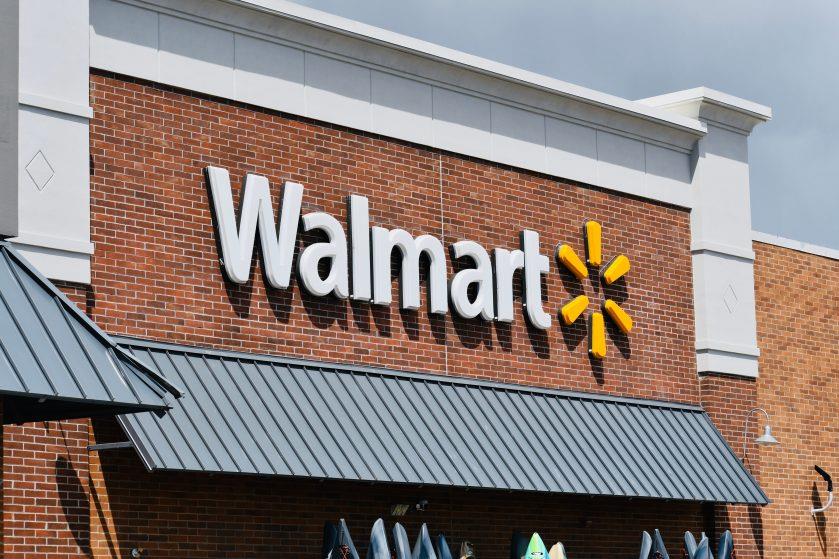
7 Things Walmart Shoppers Need To Know About Its New Tap To Pay Rollout


For over a decade, America's largest retailer maintained a famously stubborn stance on mobile payments at its checkout registers. While competing supermarkets and department stores rapidly adopted contactless systems, Walmart forced shoppers to use its proprietary Walmart Pay app or swipe traditional cards. That corporate strategy finally shifted when company leadership announced a nationwide rollout of contactless payment technology. This long-awaited update transforms how customers complete daily grocery trips and merchandise purchases. Understanding the rollout timeline, accepted payment methods, and operational changes helps you navigate checkout lanes with ease. Reviewing these essential details ensures you are fully prepared for your next shopping run.
The decision to adopt universal contactless payment terminals marks a massive cultural and technological evolution for the retail giant. For years, executives argued that avoiding third-party mobile wallet fees allowed them to keep consumer prices lower across many store locations. However, changing consumer habits, rising smartphone dependency, and mounting customer feedback made the lack of standard tap-to-pay options a persistent pain point. Introducing universal Near Field Communication hardware signals a major victory for shoppers who value speed, convenience, and modern digital security at the register.
1. The Rollout Schedule and Phased TimelineWalmart initiated its phased Tap to Pay rollou across select store locations and Sam's Club warehouses, with expansion scaling rapidly. Corporate officials established a target to bring contactless payment terminals to every retail store and neighborhood market across the United States. While major metropolitan areas received early access, regional stores continue activating the hardware progressively. Checking your local store terminal during your next visit reveals whether your neighborhood branch has completed the software upgrade.
Implementing payment terminal upgrades across supercenters requires meticulous logistical planning and overnight software deployments. IT teams must replace legacy PIN pads and update internal transaction routing systems to handle external digital wallet networks securely. Because the rollout occurs in structured regional phases, shoppers living outside major urban hubs might experience a slight delay before their local store terminals glow with contactless acceptance symbols. Keeping an eye out for updated card readers during weekly shopping trips ensures you know the exact moment your store joins the digital revolution.
2. Broad Compatibility With Major Digital WalletsThe most celebrated aspect of this retail update is the inclusion of universal contactless protocols that support popular smartphone wallets. Shoppers can now use Apple Pay, Google Pay, and Samsung Pay directly at standard registers and self-checkout stations. This compatibility eliminates the awkward requirement of opening a specific retailer app just to scan a QR code at the register. Pulling out your preferred phone wallet or tapping a contactless credit card provides a seamless, familiar checkout experience.
Supporting universal wallet ecosystems means shoppers no longer have to memorize passwords or troubleshoot loading screens inside a crowded store line. Whether you prefer storing your credit cards within an iPhone operating system or an Android mobile wallet, the updated terminals recognize the signal instantly. This interoperability brings Walmart in line with virtually every other major retailer in the country, removing a frustrating barrier that previously alienated tech-forward consumers.
3. Inclusion of Fuel Stations and Fuel PumpsThe upgrade extends far beyond traditional indoor checkout lanes to encompass the company's vast network of fuel stations. Historically, pumping gas at a Walmart fuel station required inserting a physical chip card or navigating prompts on external screens. The rollout schedule targets fuel dispensers for contactless integration, allowing drivers to tap their phones or smartwatches directly at the pump. This enhancement speeds up refueling stops for busy commuters managing tight schedules.
Fuel station card readers are notoriously vulnerable to physical skimming devices installed by criminal networks seeking to steal credit card data. Upgrading these outdoor pumps with secure contactless tap technology virtually eliminates the risk of card skimming, as no physical magnetic stripe is read by the machine. Drivers can pull up to the pump, tap their wrist or phone against the receiver, and start fueling within seconds. This upgrade provides both exceptional speed and enhanced financial protection for motorists on the road.
4. Integration of Proprietary Store CardsEven though third-party digital wallets are finally welcome at registers, the retailer continues supporting its own financial products within the ecosystem. Customers can add their branded Walmart credit cards, reward cards, and OnePay balances directly into mobile digital wallets. This ensures that loyal shoppers who rely on store-specific perks and cash-back percentages do not lose functionality during the transition. Combining legacy store programs with modern contactless technology streamlines reward redemption at checkout.
Retail credit cards often offer lucrative cash-back incentives that keep loyal shoppers returning week after week for household goods and groceries. Ensuring these proprietary financial products integrate seamlessly with Apple Pay and Google Pay prevents friction for cardholders who want maximum rewards without sacrificing mobile convenience. You can tap your phone and automatically trigger both your store-branded discount and your credit card rewards in a single motion.
5. Continued Support for Walmart PayThe introduction of universal Tap to Pay does not mean the legacy Walmart Pay application is disappearing from the store. The proprietary scanning app remains fully operational for customers who prefer managing receipts, gift cards, and pharmacy prescriptions through a single interface. Shoppers who enjoy tracking purchase history inside the dedicated app can continue using it without interruption. The new update adds a choice rather than forcing a mandatory platform replacement.
While many customers will undoubtedly abandon the standalone app in favor of universal phone wallets, loyalists still find immense value in the proprietary system. Walmart Pay stores electronic gift cards, organizes digital receipts for easy returns, and links directly with pharmacy refill alerts. Maintaining backward compatibility ensures that long-time app users retain their preferred digital tools while new customers enjoy the freedom of standard contactless tapping.
6. Enhanced Security and Encryption StandardsContactless payment methods rely on tokenization and encrypted near-field communication technology to protect sensitive financial data. When you tap a phone or card against the terminal, your actual account numbers are never shared with the merchant or stored on local servers. This advanced security architecture significantly reduces the risk of card skimming and data theft compared to traditional magnetic stripe swiping. Shoppers gain peace of mind knowing their financial transactions benefit from state-of-the-art cybersecurity protocols.
Tokenization works by replacing your sensitive sixteen-digit credit card number with a unique, one-time digital identifier for every individual purchase. Even if a bad actor manages to intercept data transmitted between the terminal and the payment network, the captured token is completely useless for future fraud. This robust defense mechanism explains why financial institutions and security experts universally praise contactless payment rails as a massive leap forward for retail safety.
7. Faster Checkout Speeds Across LanesThe ultimate goal of introducing universal contactless payment options is reducing friction and bottlenecks during peak shopping hours. Fumbling with physical wallets, entering PIN codes, or waiting for slow chip readers often creates frustrating backups at self-checkout areas. Allowing customers to tap and go instantly cuts down transaction times significantly across high-volume stores. Streamlined register operations benefit both harried shoppers and store associates managing long lines.
Time is one of our most valuable commodities, and shaving even five seconds off every single checkout transaction translates to massive time savings for shoppers. By eliminating the awkward pauses associated with inserting chip cards and waiting for authorization prompts, the checkout queue moves with steady, predictable momentum. Faster lines mean less crowd congestion near the front exits and a much more pleasant overall store environment for everyone.
Embracing Modern Convenience at the RegisterThe arrival of universal Tap to Pay marks a monumental evolution in how Americans interact with the country's dominant retailer. Staying informed about these checkout enhancements helps you optimize your shopping routine and choose the payment method that suits you best.
What features do you look for most when evaluating the convenience of a store checkout process?
What To Read NextWalmart, Aldi or Dollar General: Where Should a $50 Grocery Budget Actually Go?
8 Walmart Grocery Features Many Shoppers Still Aren't Using
The Self-Checkout Glitch Leaving Some Target and Walmart Shoppers Unable to Pay
Iceberg Lettuce Recall Details Walmart Shoppers Should Know
Aldi vs. Walmart: Which Wins Your 2026 Grocery Budget?

Legal Disclaimer:
MENAFN provides the
information “as is” without warranty of any kind. We do not accept any
responsibility or liability for the accuracy, content, images, videos,
licenses, completeness, legality, or reliability of the information
contained in this article. If you have any complaints or copyright issues
related to this article, kindly contact the provider above.
Comments
No comment