

403
Sorry!!
Error! We're sorry, but the page you were looking for doesn't exist.
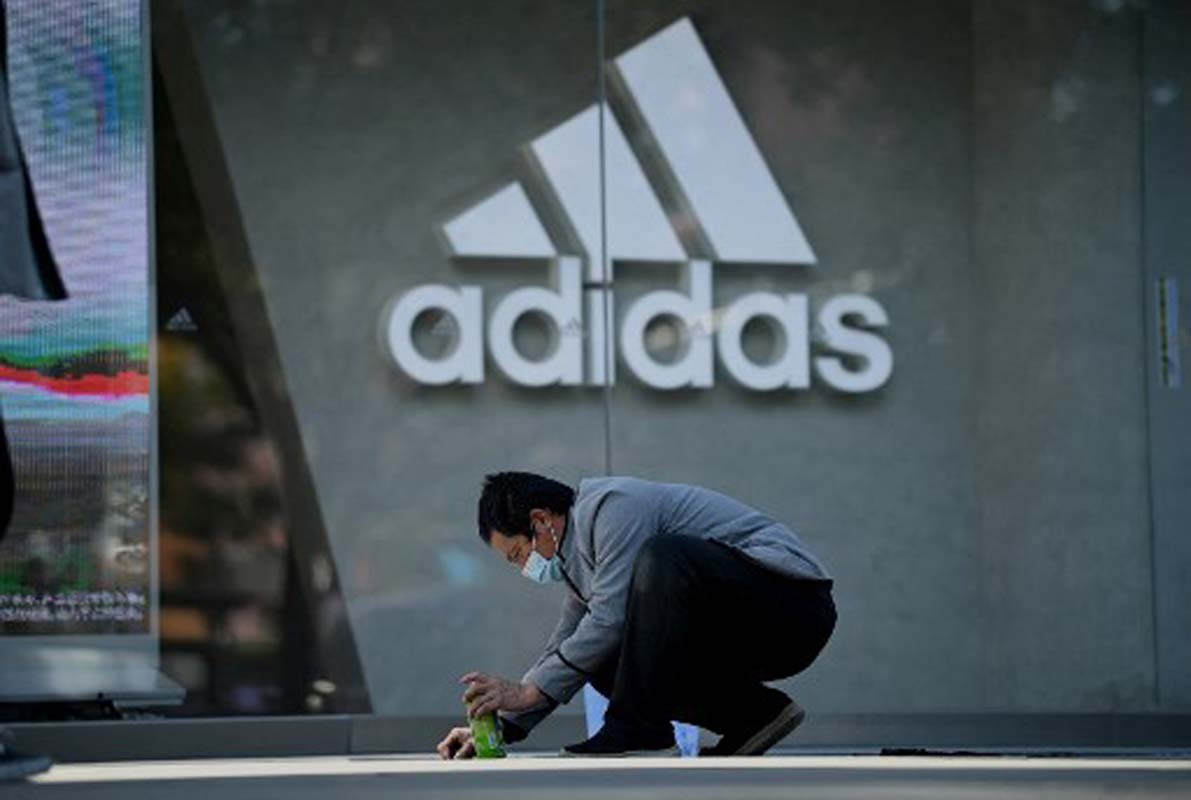
Adidas Met With Boycott Calls Over Ad Featuring Israeli Amputee Veteran


(MENAFN) Adidas is facing renewed boycott pressure after critics accused the German sportswear giant of promoting a disability-accessibility campaign in a way that highlights an Israeli military veteran while, they argue, sidelining Palestinian amputees from Gaza genocide.
The backlash centers on the company's choice to feature Shalev Biton, a former Israeli soldier who lost his left leg after being wounded near Gaza in May 2021, as the face of its Single Shoe Service — an initiative aimed at customers who need only one shoe from a pair. Human rights activists and social media users have questioned the decision, arguing it draws attention away from the scale of amputations among Palestinians during the genocide.
According to World Health Organization estimates published in May 2026, more than 5,000 traumatic limb amputations and upward of 22,000 major extremity injuries have been recorded in Gaza since October 2023. UNICEF's most recent State of Palestine appeal, dated Feb. 3, 2026, put the number of children with life-altering injuries above 11,000. A CNN report from January 2024, drawing on data from Save the Children and UNICEF, found that on average more than 10 children lost one or both legs every day in Gaza following the October 2023 escalation, with roughly 1,000 children affected by December of that year.
The WHO also reported evaluating 2,277 amputees between September 2024 and May 2026, of whom 502 received prosthetic fittings, while flagging severe shortages in rehabilitation care and assistive devices across the territory. Separately, the agency estimated more than 42,000 people in Gaza now require long-term rehabilitation for their injuries.
Much of the criticism aimed at Adidas has focused less on the Single Shoe Service itself and more on its choice of spokesperson and the political context surrounding the campaign's release.
Spanish actor Javier Bardem added his voice to the backlash, urging followers in a social media post to boycott the brand over its decision to promote the service in Israel through Biton. Adidas first rolled out the Single Shoe Service in Europe on Jan. 19, 2026, formally announcing the program the following March across Adidas-owned stores in 23 European countries.
A second controversy in two years
The episode follows an earlier backlash Adidas faced over its handling of Palestinian-American model Bella Hadid. In July 2024, the company dropped Hadid from a campaign for a retro sneaker tied to the 1972 Munich Olympics after Israeli officials objected to her involvement. Hadid, a longtime advocate for Palestinian rights, went on to retain legal counsel, according to the Daily Mail, which cited a source close to the matter.
Adidas apologized to Hadid and her fellow campaign partners at the time, saying it had made "an unintentional mistake," while stopping short of reversing her removal — a decision that itself drew boycott calls online. One social media user hailed Hadid as "a hero," while another criticized the company's handling of the matter as "gutless."
Sami Al-Arian, a Palestinian activist who directs the Center for Islam and Global Affairs at Istanbul Zaim University, told media that Adidas has a pattern of "targeting celebrities... who support the Palestinian struggle," predicting the company could face a profit-driven reckoning similar to past boycott campaigns.
British commentator Sami Hamdi told media that Adidas risks the same fate as other global brands — among them McDonald's, Starbucks and KFC — that have already scaled back operations in Muslim-majority markets amid organized boycotts tied to Gaza genocide.
The backlash centers on the company's choice to feature Shalev Biton, a former Israeli soldier who lost his left leg after being wounded near Gaza in May 2021, as the face of its Single Shoe Service — an initiative aimed at customers who need only one shoe from a pair. Human rights activists and social media users have questioned the decision, arguing it draws attention away from the scale of amputations among Palestinians during the genocide.
According to World Health Organization estimates published in May 2026, more than 5,000 traumatic limb amputations and upward of 22,000 major extremity injuries have been recorded in Gaza since October 2023. UNICEF's most recent State of Palestine appeal, dated Feb. 3, 2026, put the number of children with life-altering injuries above 11,000. A CNN report from January 2024, drawing on data from Save the Children and UNICEF, found that on average more than 10 children lost one or both legs every day in Gaza following the October 2023 escalation, with roughly 1,000 children affected by December of that year.
The WHO also reported evaluating 2,277 amputees between September 2024 and May 2026, of whom 502 received prosthetic fittings, while flagging severe shortages in rehabilitation care and assistive devices across the territory. Separately, the agency estimated more than 42,000 people in Gaza now require long-term rehabilitation for their injuries.
Much of the criticism aimed at Adidas has focused less on the Single Shoe Service itself and more on its choice of spokesperson and the political context surrounding the campaign's release.
Spanish actor Javier Bardem added his voice to the backlash, urging followers in a social media post to boycott the brand over its decision to promote the service in Israel through Biton. Adidas first rolled out the Single Shoe Service in Europe on Jan. 19, 2026, formally announcing the program the following March across Adidas-owned stores in 23 European countries.
A second controversy in two years
The episode follows an earlier backlash Adidas faced over its handling of Palestinian-American model Bella Hadid. In July 2024, the company dropped Hadid from a campaign for a retro sneaker tied to the 1972 Munich Olympics after Israeli officials objected to her involvement. Hadid, a longtime advocate for Palestinian rights, went on to retain legal counsel, according to the Daily Mail, which cited a source close to the matter.
Adidas apologized to Hadid and her fellow campaign partners at the time, saying it had made "an unintentional mistake," while stopping short of reversing her removal — a decision that itself drew boycott calls online. One social media user hailed Hadid as "a hero," while another criticized the company's handling of the matter as "gutless."
Sami Al-Arian, a Palestinian activist who directs the Center for Islam and Global Affairs at Istanbul Zaim University, told media that Adidas has a pattern of "targeting celebrities... who support the Palestinian struggle," predicting the company could face a profit-driven reckoning similar to past boycott campaigns.
British commentator Sami Hamdi told media that Adidas risks the same fate as other global brands — among them McDonald's, Starbucks and KFC — that have already scaled back operations in Muslim-majority markets amid organized boycotts tied to Gaza genocide.

Legal Disclaimer:
MENAFN provides the
information “as is” without warranty of any kind. We do not accept any
responsibility or liability for the accuracy, content, images, videos,
licenses, completeness, legality, or reliability of the information
contained in this article. If you have any complaints or copyright issues
related to this article, kindly contact the provider above.
Comments
No comment